
Every first-order conversation reaches the same moment. Samples approved, format chosen, container sketched — and then someone asks how payment will work. For a new importer that sounds like a formality. It is not. Payment terms are the first risk decision of the relationship: they decide who carries production risk, who carries transit risk, and how much control you keep.
Payment Terms Are a Risk Map, Not a Billing Detail
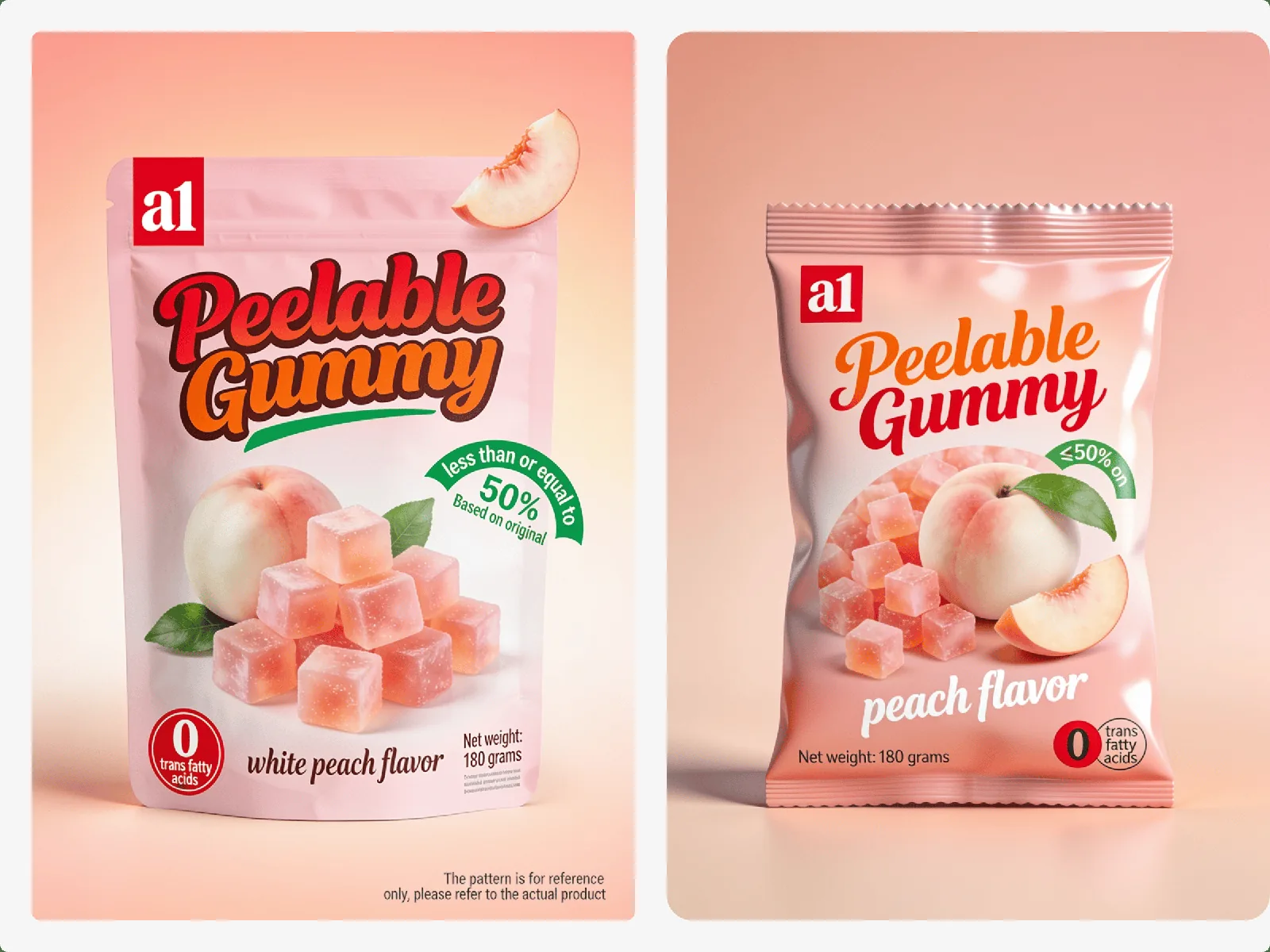
An instrument like T/T or a letter of credit does not change what you buy — it changes when your money leaves relative to what you receive, and that timing is the whole decision. Candy is made to order: gummies are produced to your specification and stand-up pouches printed with your artwork, in your language, at your gram weight. Once that film is printed, no other buyer will take it. So at every stage — before and after production, on the water, at clearance — ask two questions: how much of my money is already committed, and what do I hold that proves the goods exist and match the contract?
T/T: the Workhorse, Used Deliberately
Telegraphic transfer is the default of cross-border trade: fast, cheap, universal. Structurally it means a payment before production and the remainder later — commonly against a copy of the shipping documents or before release of the original bill of lading. The split is a commercial term: it belongs in the proforma invoice, agreed in writing per order.
What makes T/T safe is not the wire, it is the discipline around it. Before any transfer: confirm the beneficiary name on the bank account matches the company on the PI exactly, character for character; confirm the account is held where that entity is registered; agree who bears the intermediary bank charges; and keep the PI the single source of truth for product, quantity, Incoterm, documents and milestones. T/T's weakness is honest: your protection is procedural — the next two sections are that procedure.
Letter of Credit: When LC Earns Its Fees
A letter of credit moves counterparty risk to banks: your bank commits to pay the exporter against a defined set of documents. It earns its cost when order values justify bank fees, when currency-transfer friction slows direct wires, or when a corporate treasury requires bank instruments for new suppliers.
The two decisions that matter: sight versus usance, and the document list. The standard set for a confectionery shipment — commercial invoice, packing list, bill of lading, certificate of origin, certificate of analysis — must be written into the credit precisely. Banks pay documents, not goods; any discrepancy delays payment. An LC protects both sides from each other, but neither from bad product — documents can be flawless while the pallets are not. That is what the factory audit and the COA regime are for.
Documentary Collections and Other Instruments
Between wire transfer and LC sit documentary collections — documents against payment (D/P) and documents against acceptance (D/A) — where banks handle documents without committing to pay. They cost less than an LC and protect less. Escrow-style platforms and stage payments tied to production milestones are common in first collaborations. All are legitimate; none substitutes for knowing who you are buying from.
What Protects the Money Better Than Any Instrument
Experienced importers treat the payment instrument as one layer of a stack; the layers below do more work. Quality: a supplier whose every batch ships with a COA from a CNAS-accredited in-house laboratory, with full batch traceability, lets you detect failure modes before the container sails. Systems: production under FSSC22000, BRC, HACCP and HALAL certification. Record: two production bases, eight lines, three R&D centers with 200+ patents, shipments to 40+ markets, and retail systems like Sam's Club, Costco, 7-Eleven, Magnit, X5, Samokat, Lawson, GS25, Circle K and FamilyMart. Our 8-point factory audit checklist turns this layer into questions you can send today.
MOQ and Payment Milestones Work Together
A first order should be sized to test a channel, not to fill a warehouse. Our standing offer: MOQ from 500 cartons per SKU, 200-carton trial orders for new markets — and since gummy keeps 12 months ambient, a mixed trial container can sit through a full selling season while you judge velocity. See how a mixed 20GP is built in our MOQ and mixed loading guide.
Then align money to milestones. A deposit at order confirmation funds raw materials and the print run of your customer-specific film; the balance triggers against a defined document event — a shipped bill of lading, for example — rather than a vague "later".
The Instruments, Side by Side
No instrument is universally "safest". Each buys a different protection at a different price in fees and friction:
| Instrument | What it protects | Where it adds friction | Fits best |
|---|---|---|---|
| T/T — deposit plus balance | Simplicity and speed; protection is procedural (PI discipline, verified beneficiary) | Minimal bank cost; your recourse is documentary, not collateral | Most first orders, trials and mixed containers |
| Letter of credit (at sight) | Bank pays against documents; neutralizes counterparty risk | Fees on both sides; strict document compliance; slow amendments | Larger orders; treasuries that require bank instruments |
| D/P or D/A collection | Banks exchange documents against payment or acceptance | Weaker protection than LC; still depends on trust | Repeat buyers with an established record |
| Stage payments | Matches cash outflow to production milestones | Needs milestone definitions and dates in the PI | Programs with tooling, long print runs or multi-SKU launches |
Fraud Hygiene: the Part Nobody Reads Until It Hurts
The most common real-world loss is not the wrong instrument — it is a compromised email announcing "updated bank details" two days before a transfer. The defense is boring and absolute: any change of beneficiary or account is re-verified by voice or video on a number already known — never one supplied in the same email; the beneficiary name never drifts from the registered company on the PI; payment instructions live in the PI, not in email threads. A supplier with nothing to hide treats your verification call as professionalism, not suspicion.
The First-Order Payment Checklist
Eight items, all in writing before the first transfer:
1. The PI states the full specification: product, flavor, gram weight, pouch format, carton configuration, Incoterm and shelf life. 2. Payment milestones and triggers are dated and tied to production or document events. 3. The beneficiary name and account are verified against the supplier's registration documents. 4. Responsibility for bank and intermediary charges is stated. 5. The invoicing currency and rate responsibility are fixed. 6. The documents received against the balance are listed: invoice, packing list, bill of lading, certificate of origin, COA. 7. A pre-shipment inspection right is reserved. 8. Any later change of bank details is re-verified by voice on a known number.
Frequently Asked Questions
Is a letter of credit always safer than T/T? It reallocates counterparty risk to banks, which matters on larger orders and friction-prone corridors. It does not verify product. An LC with a perfect document set and no COA regime is weaker than a disciplined T/T with an audited supplier.
How large should a first confectionery order be? Large enough to test the shelf, small enough to repeat. That is the logic of our trial terms: MOQ from 500 cartons per SKU, 200-carton trial orders for new markets, mixed formats in one container.
Where to Start
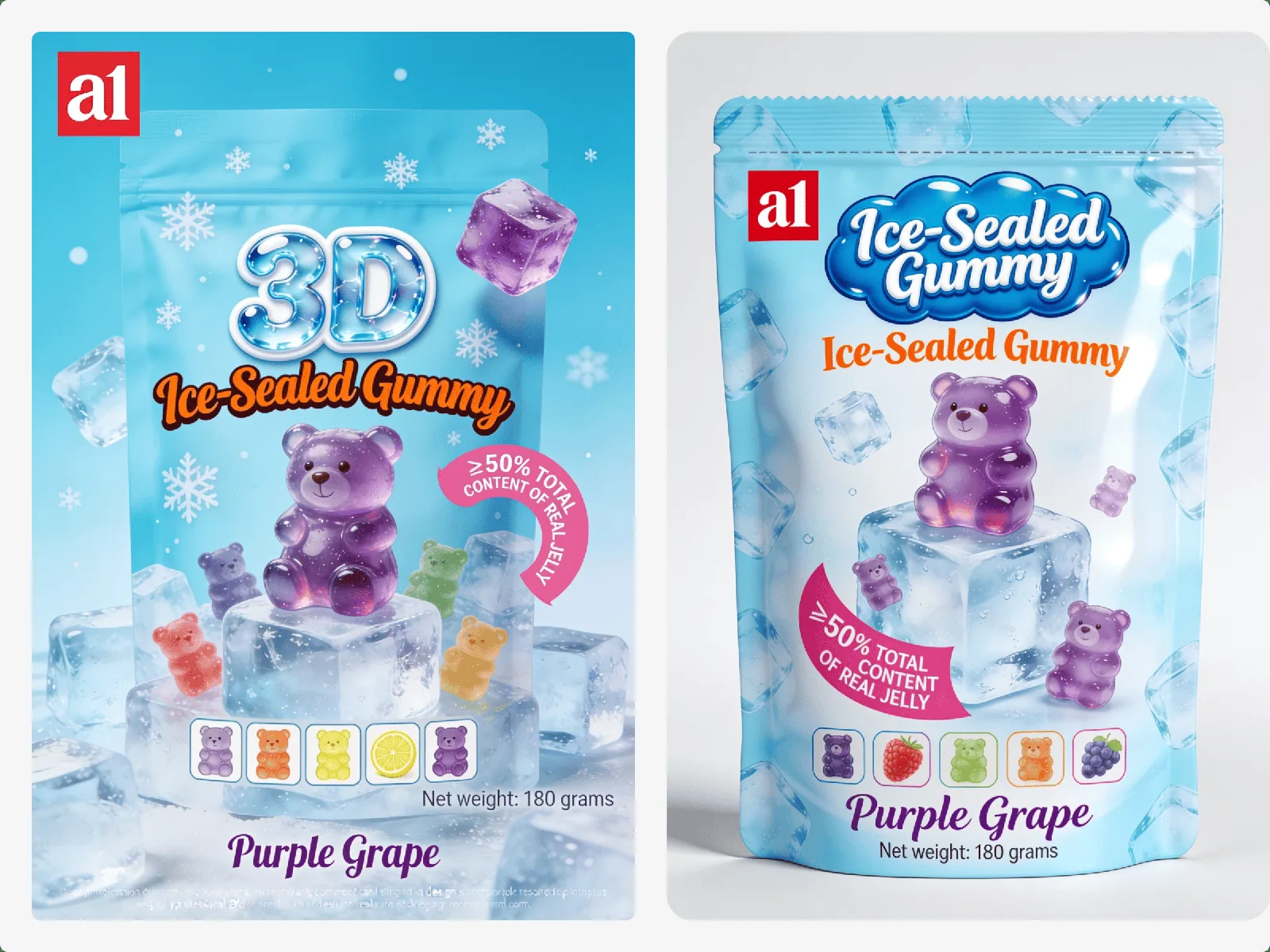
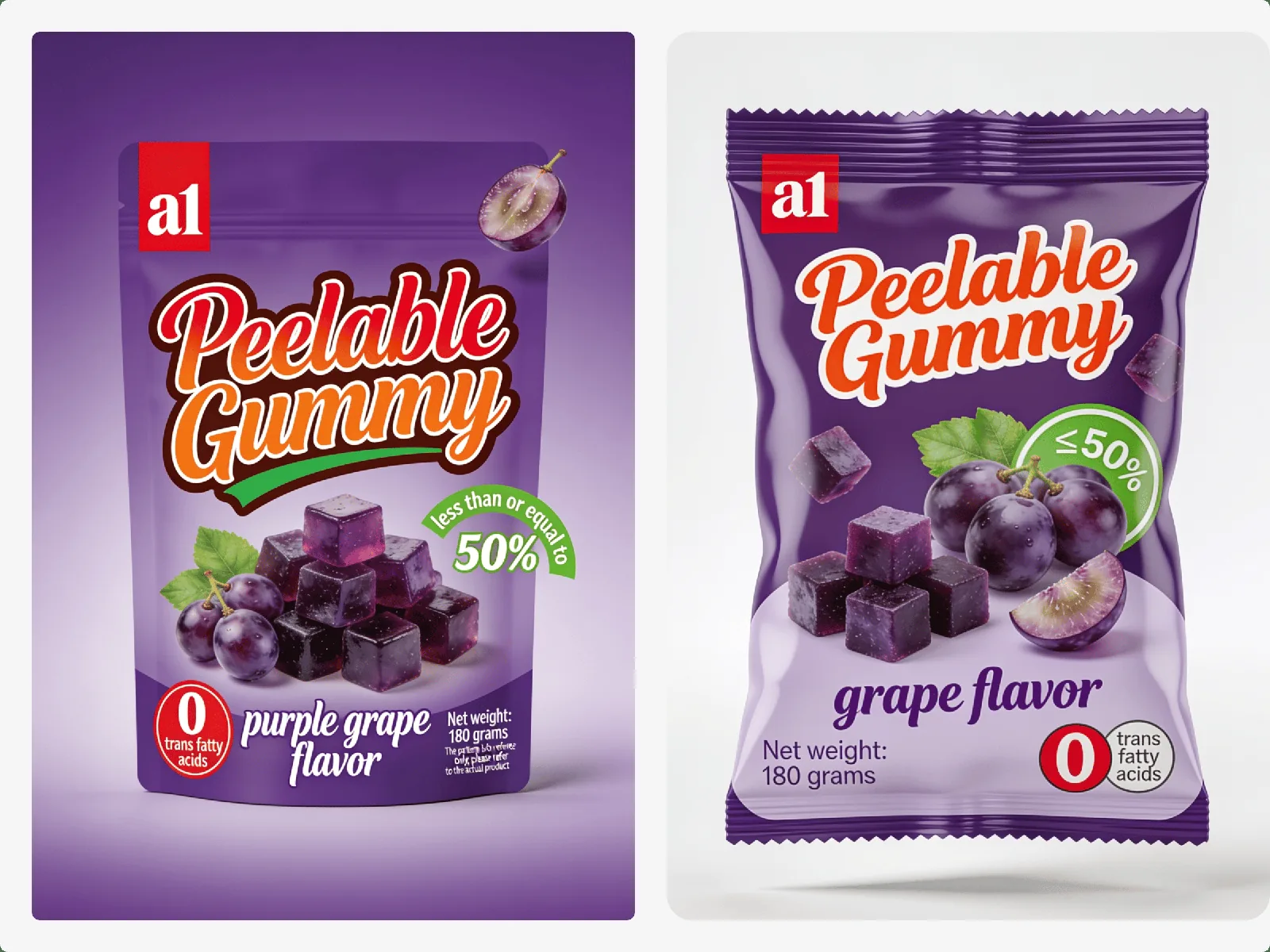
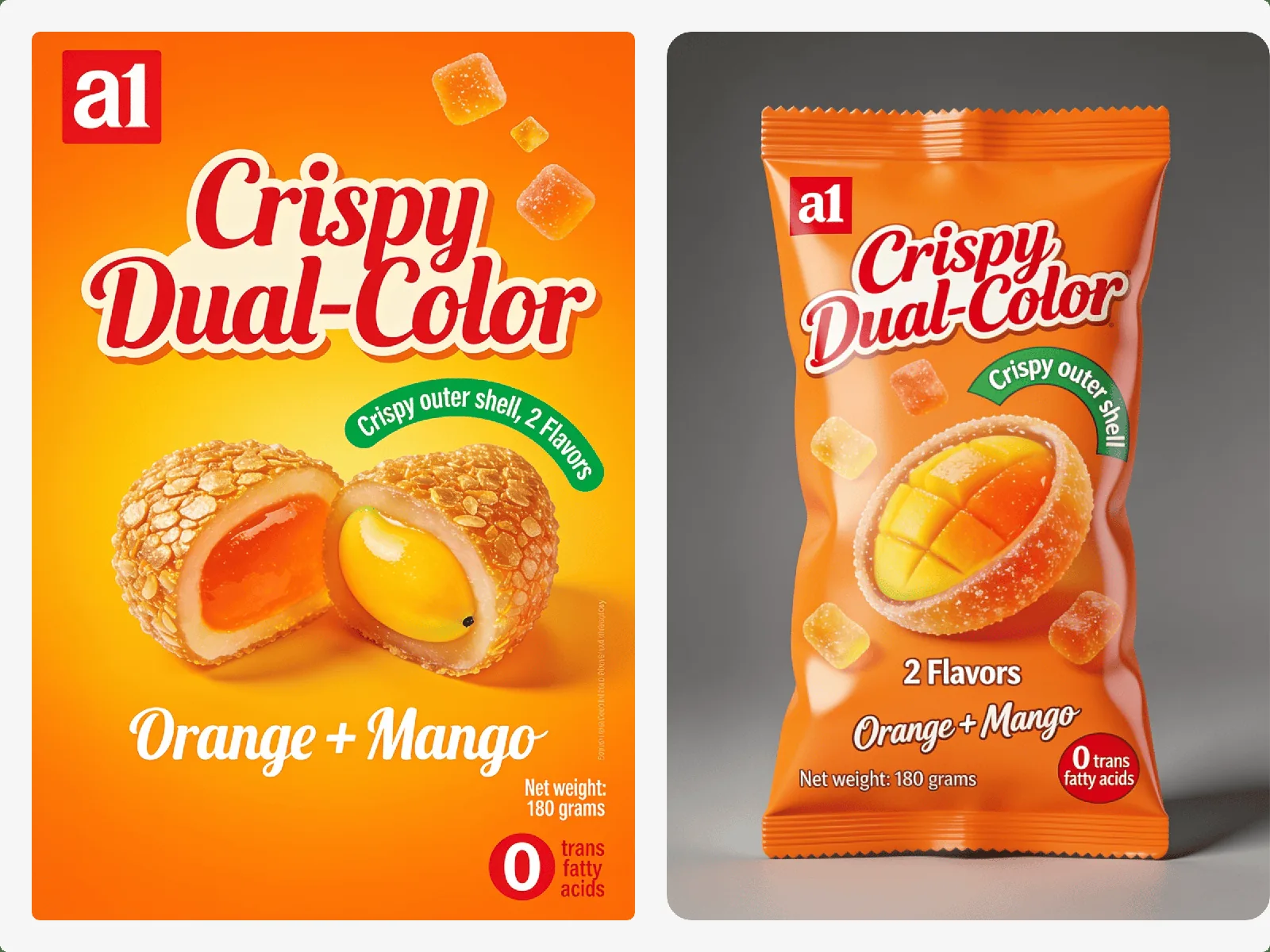
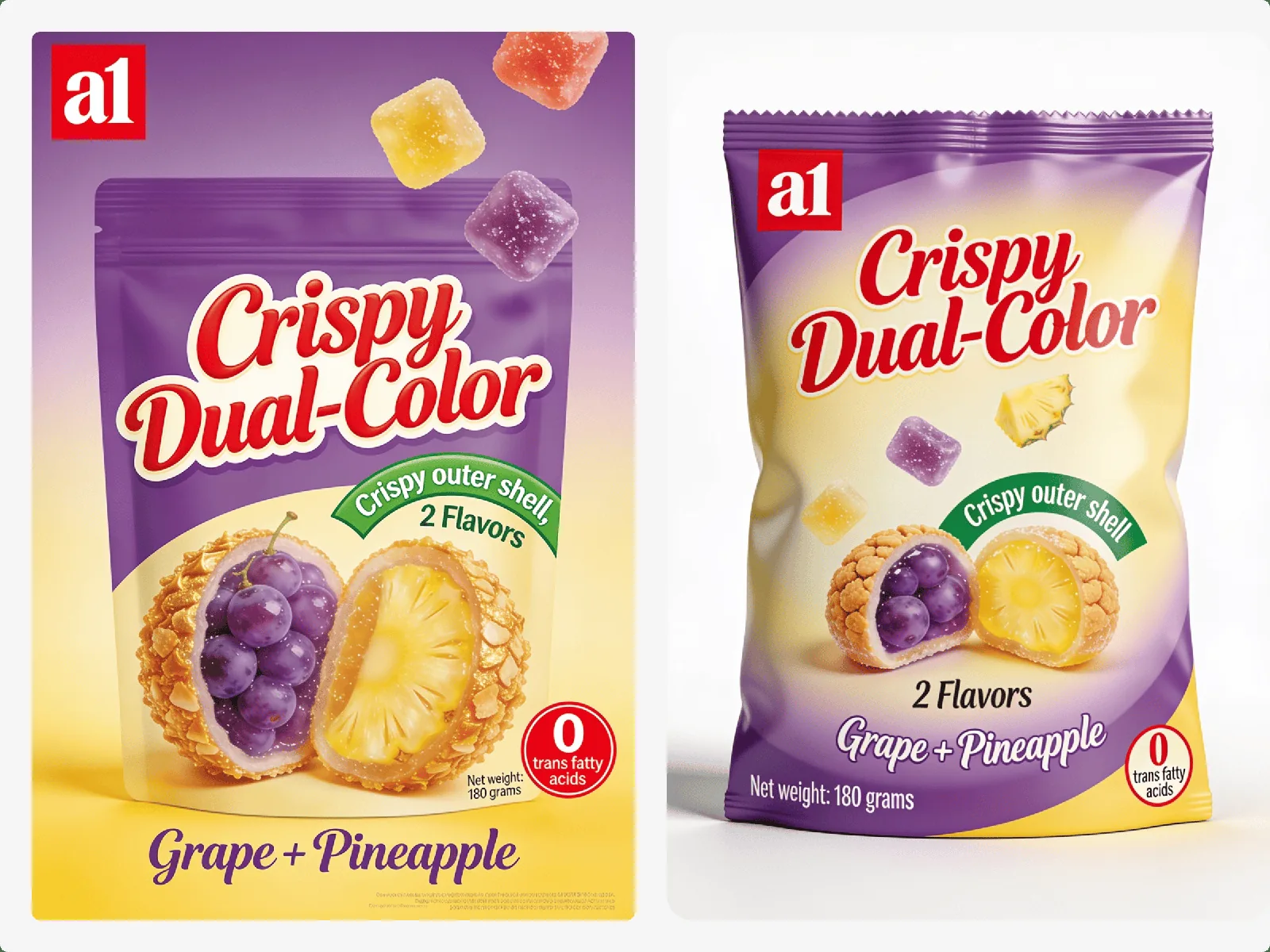
Choose the instrument that lets both sides stop negotiating trust and start shipping product — then put the discipline in writing. Send your target market and channel, and we will return format recommendations, a PI draft and the document set your bank needs. Start through the contact page: Katherine, Justin@a1food.cn, WhatsApp +86-189-6548-2111. For the shelf-side planning that follows the signature, our gummy packaging format comparison and the 3D ice-sealed and crispy dual-color lines show what a first mixed program looks like in cartons.