
Most distributors choose a bakery SKU by flavor, texture and price — and only notice the pack size after the first container has already landed. By then the format has quietly decided freight per unit, shelf turn and how much product survives the journey. Those three are where wholesale margin on a bakery program is actually won or lost.
For distributors, importers and private-label buyers building a bakery range, pack size is not a detail to settle after the purchase order. Family pack and single-serve each change the economics of the same recipe in very different ways. This guide compares the two across the metrics that move volume and margin — container cube, shelf velocity, MOQ and shrink — so the format decision comes before the order, not after it.
Why pack size is a margin decision
Bakery is a low-involvement, repeat-purchase category. The pack is the first three seconds of the sale, but it is also the unit that freight, warehousing and shrink are measured against. Choose the format against those constraints and the SKU protects margin; choose against them and no flavor rescue arrives in time. Three constraints decide almost everything: container cube (how many units reach the DC per container), shelf velocity (how fast it turns and reorders), and shrink (how much is lost to damage and staleness before it is sold).
The two formats at a glance
Think of the choice as a trade between cube, turn and occasion:
- Family / share pack: the best all-rounder for wholesale — multi-piece bags, strong shelf face, efficient cube, resealable, built for the pantry and the family shop.
- Single-serve: the best for on-the-go and impulse — one-portion packs, tiny cube per unit, sampling-friendly, but higher cost per gram and weaker pantry presence.
Cube efficiency: how pack size moves freight per unit
Container economics are won or lost at the pack level. A flat, multi-piece bag stacks tightly and fills a 20GP or 40HQ with far more units than the same recipe broken into single-serve sticks or cups. For a new distributor, that means a family pack usually protects the lowest freight per unit, and mixing several bakery SKUs in one shipment keeps MOQ per SKU low. Our baking range is built around shareable packs — from four-piece toast and bread bags to six- and eight-piece cake bags — so a distributor can run a balanced mixed container without fragmenting across formats.
The same margin that the cube protects, the format can also erode. We cover the mixed-container math in our guide to importing stuffed toast from China with MOQ and 40HQ loading, and the landed-cost side in our guide to FOB, CIF and DDP for first-time bakery buyers.
Shelf turn and reorder frequency
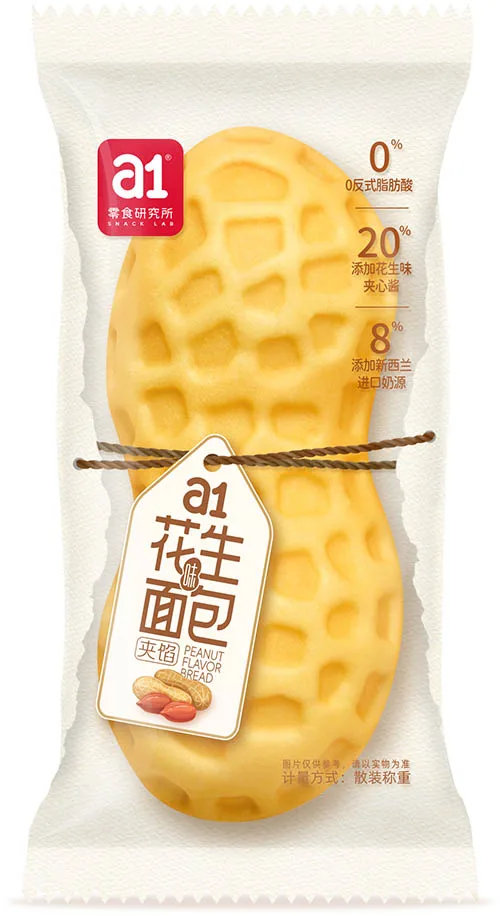
Margin is not just what you buy at; it is how often you sell and reorder. Family packs suit the planned, pantry-driven shop where the product is a repeat staple. Single-serve suits convenience, checkout, gym and travel channels where the purchase is impulse and one-hand. A distributor who stocks the wrong format for the channel ends up with slow turn, forced markdowns and a working-capital drag — the silent margin killer that never shows up on the invoice.
How pack size affects MOQ and mixed containers
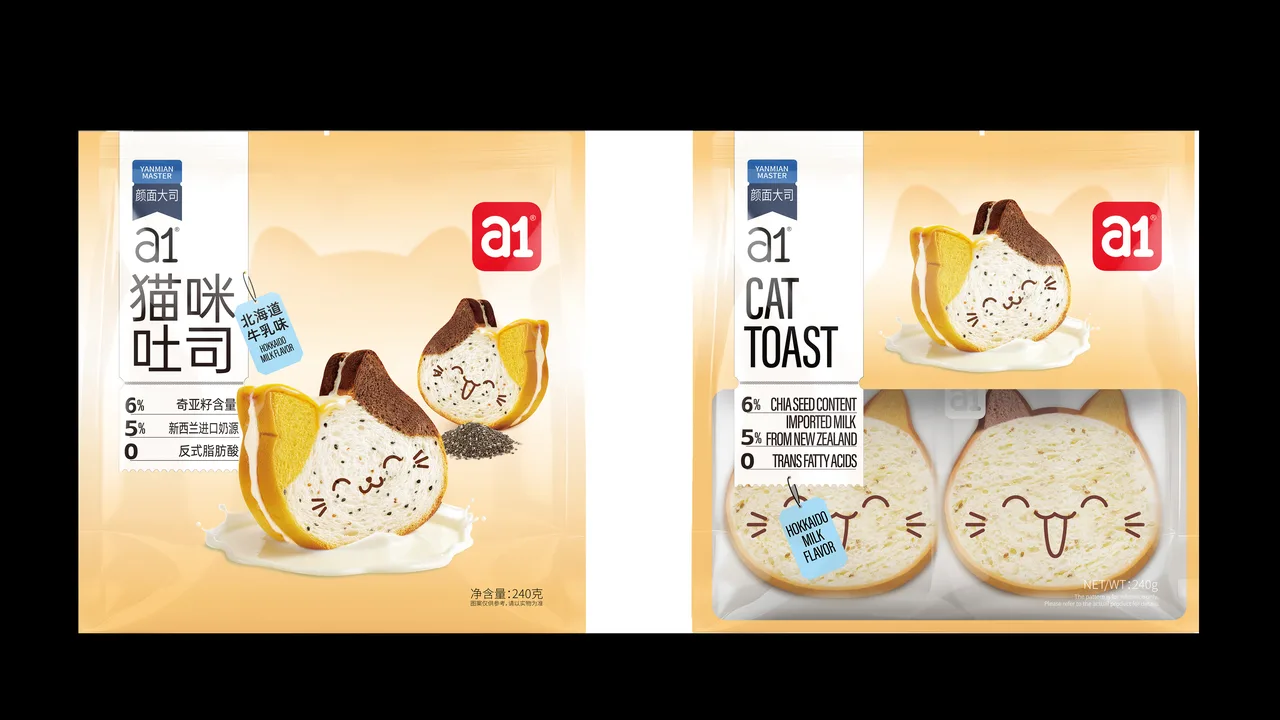
Pack size is where container economics meet the order minimum. A family pack ships more units per carton, so a distributor can hit a balanced mix across several bakery SKUs without committing a full container to one line. Our standard MOQ is from 500 cartons per SKU, with 200-carton trial orders for new markets, so a launch can combine several bakery SKUs in one mixed shipment rather than betting a full line on a single format. The full breakdown is in our mixed-container guide.
Shrink, damage and the cost of the wrong format
The third margin lever is what never reaches the shelf. Long ambient shelf life is the structural defense against shrink on a bakery import: our baking line is specified for six to nine months ambient shelf life, which supports the ocean route plus retail lead time with healthy remaining shelf life at delivery. The pack reinforces that — a resealable multi-piece bag protects the product after opening and reduces in-home waste, while a fragile single-serve format adds damage and returns risk in transit and on the shelf. We walk the remaining-shelf-life case for tenders in our guide to six-month shelf-life bakery and supermarket bids.

Label and compliance by format
Every format carries the same compliance surface — nutrition label, ingredients, allergens, origin and, for the US, FDA facility registration and Prior Notice. The format does not change what you must declare; it changes how much label area you have to do it well. The family pack gives a larger face for a full multi-market label, while a small single-serve format forces tighter artwork. Plan the label for the strictest target market first, whatever the pack.
A distributor's format-selection checklist
Before you lock the pack size for a bakery program, walk through these eight points with your supplier:
- Which channel leads — planned pantry (family pack) or impulse on-the-go (single-serve)?
- What piece count matches the market — four, six or eight pieces per bag?
- How many facings does the buyer give the category, and does the pack fit the shelf?
- What is the cube target per container, and which format protects freight per unit?
- Which markets are in scope, and does the label area cover the strictest one?
- Is the food facility registered with the FDA (for the US) and certified Halal where required?
- What is the trial-order path before a full container?
- Does the supplier run COA-per-batch and full traceability for compliant export?
MOQ, mixed containers and lead time
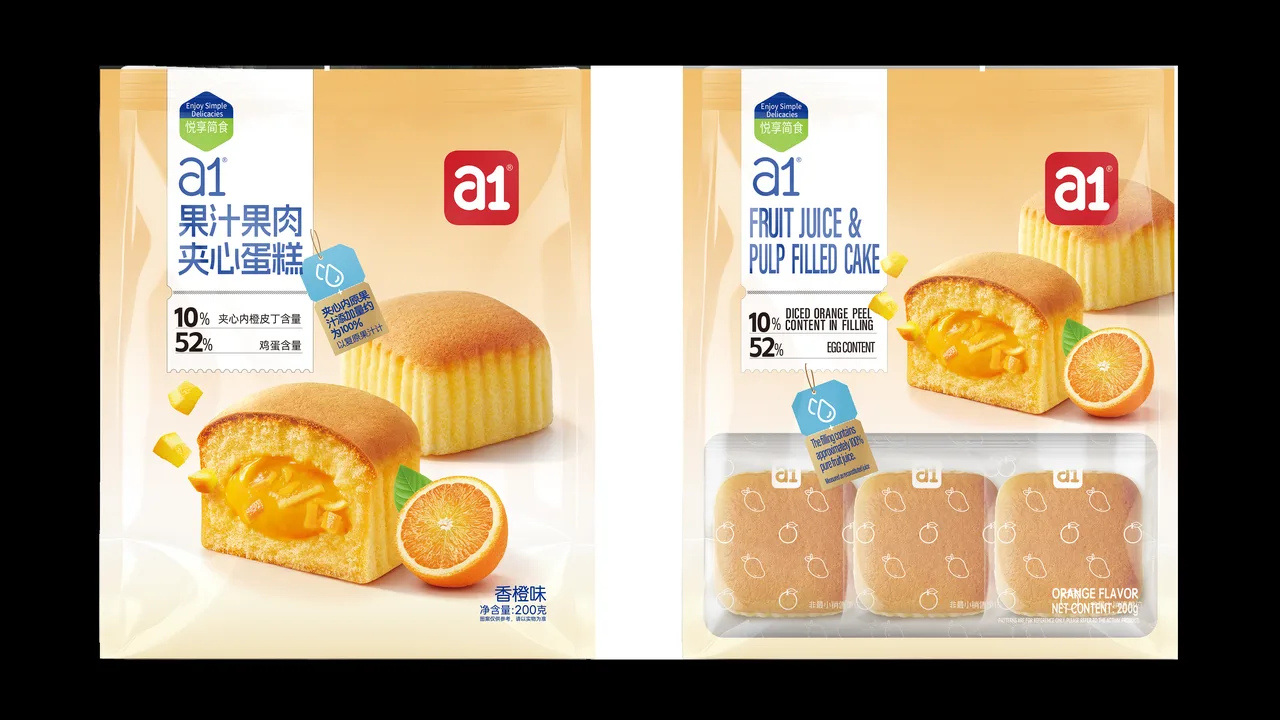
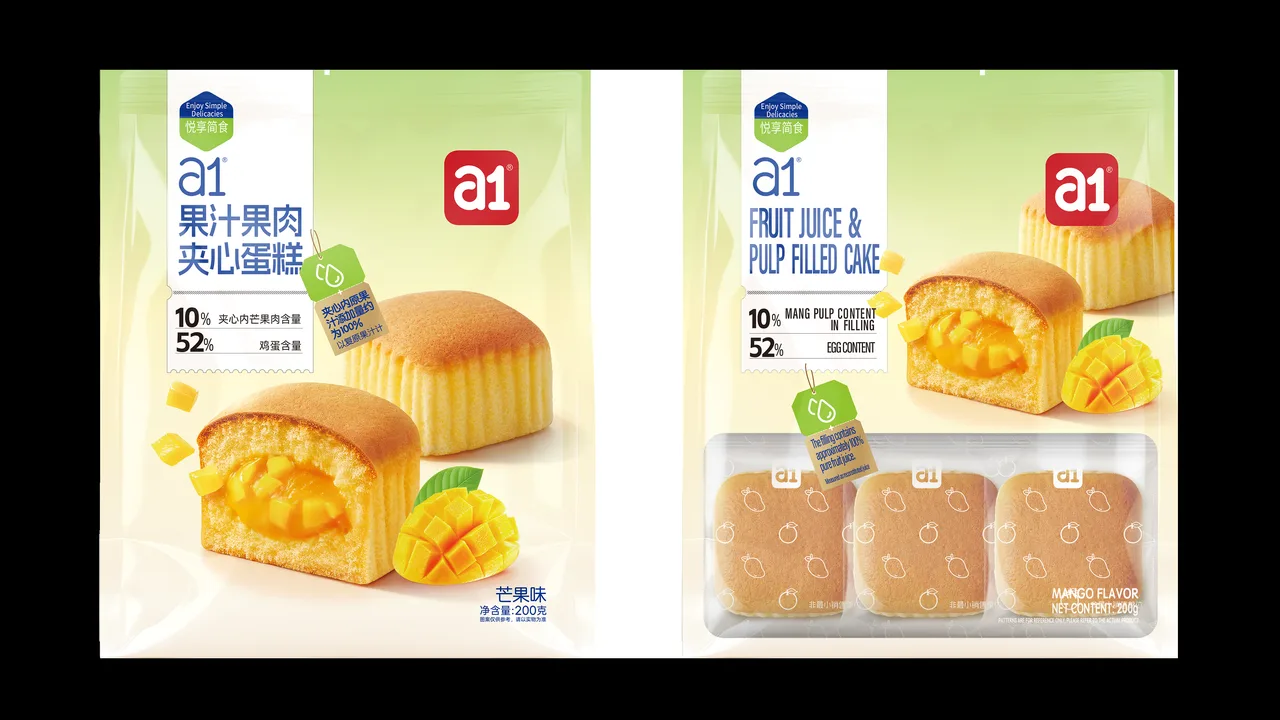
For a bakery launch, most distributors do not want a full container of one SKU — they want a balanced mix across formats and flavors. Our standard MOQ is from 500 cartons per SKU, with 200-carton trial orders for new markets, so a launch can combine several bakery SKUs in one mixed shipment. To see the range behind these formats, explore the a1 Juice & Fruit-Filled Cake (Orange) and the a1 Juice & Fruit-Filled Cake (Mango).
If you are scoping a 2026 or 2027 bakery program, share your target markets and the formats to test. We will confirm certification and documentation fit, outline production and transit lead time, and scope a compliant mixed order.
Frequently asked questions
Which bakery pack size protects wholesale margin best? For planned, pantry-driven channels, the family or share pack usually wins because it delivers the lowest freight per unit and the strongest repeat purchase. Single-serve wins on trial and impulse but carries higher cost per gram.
Does the pack size change my compliance obligations? No — nutrition label, ingredients, allergens and, for the US, FDA facility registration and Prior Notice apply to all formats. The pack only changes how much label area you have to present them well.
Can I mix family packs and single-serve in one container? Yes. The standard MOQ is from 500 cartons per SKU with 200-carton trial orders for new markets, so a launch can mix several bakery SKUs and formats in one shipment.
What shelf life can I plan a bakery program around? Our baking line is specified for six to nine months ambient shelf life, which supports the ocean route and retail lead time with healthy remaining shelf life at delivery.
Ready to scope your bakery program? Contact our team — tell us your markets and the formats you want to test, and we will outline a compliant, cube-efficient order.