
Every convenience channel already sells the energy occasion — it just sells it in formats that cost shelf space: chilled cabinets for ready-to-drink coffee, a can consumed on the spot, chocolate coffee confectionery that leaves for the tropics with a melting problem. Coffee gummies move the same occasion onto the dry candy peg: arabica coffee in a heat-stable chew, with a liquid burst center and no sugar. For distributors and convenience-chain buyers, this is one of the few genuinely new shelf positions of the season.
This guide covers the format, why coffee works in a gummy, the heat advantage, the zero-sugar claim by market, and a pre-order checklist.
The Energy Occasion Left the Can
The energy occasion is one of the highest-frequency purchase moments in convenience retail: the commuter, the driver, the shift worker who wants a lift without sitting down with a cup. Until recently the category answered with two formats, and both carry structural costs. Ready-to-drink coffee occupies expensive chilled space, and its volume travels as water. Energy drinks compete in the most crowded beverage aisle there is. Coffee chocolate — the traditional confectionery answer — carries cocoa butter, which means a melting point that dictates the shipping calendar.
A coffee gummy repositions the same occasion on the candy wall, at confectionery price mechanics and confectionery logistics. It is chewed, not gulped; it sits in a pouch, not a cooler; and it ships in a mixed container with the rest of the range. That is not a novelty argument — it is a margin-and-cube argument, which is why convenience buyers, not marketing departments, are the ones picking it up.
What the Format Actually Is
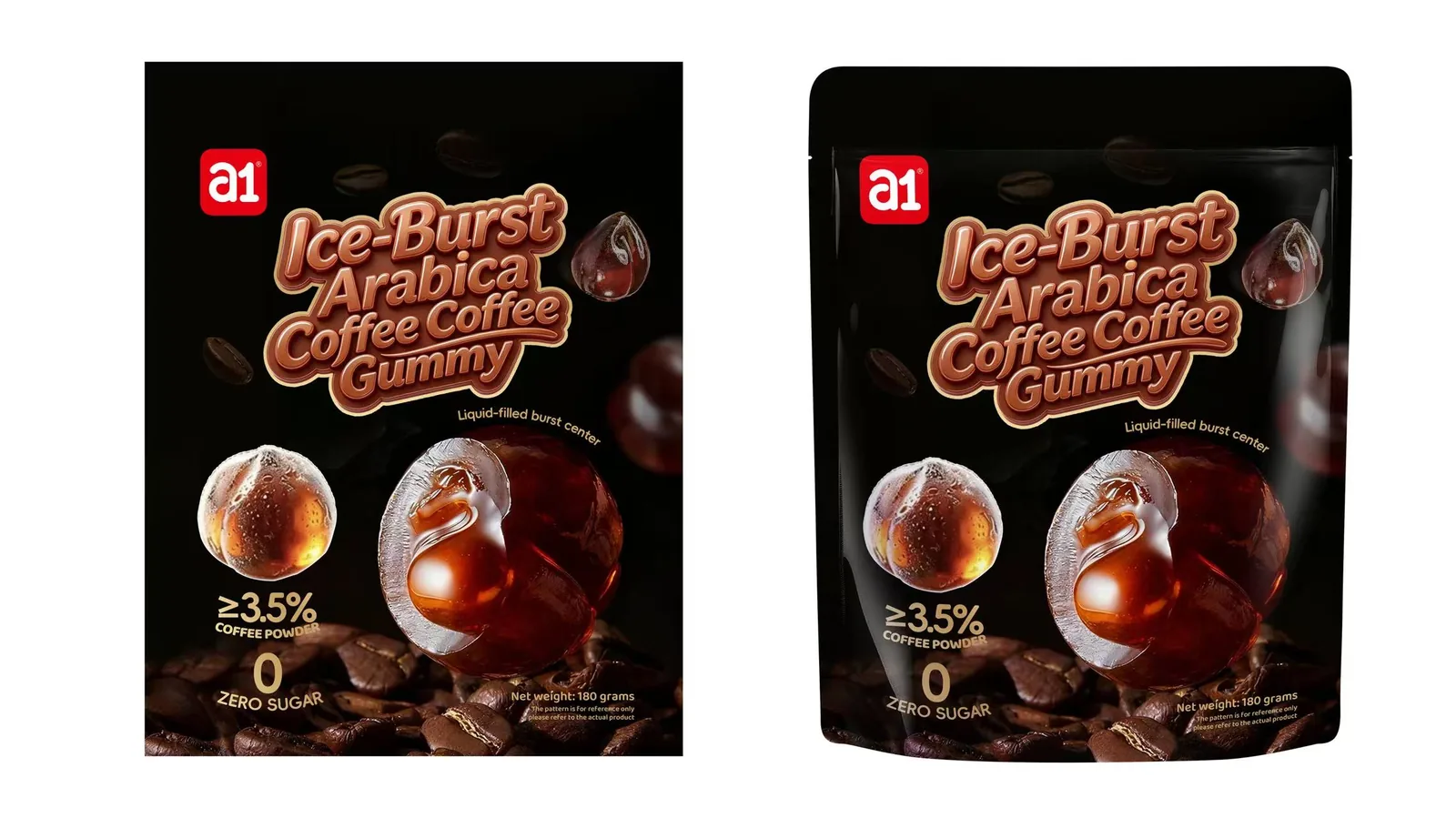
The working example in the a1 range is the Ice-Burst Arabica Coffee Gummy. Three components matter to a buyer:
The coffee. The recipe builds on arabica coffee powder at 3.5% or more — real coffee character, not a brown-flavored chew. The texture. Each piece carries a liquid-filled burst center, so the format reads as a coffee moment rather than a plain fruit gummy. The finish. A herbal cooling note at the end — more on that below.
The range specification wraps around it: the confectionery line carries a 12-month ambient shelf life and stands in reclosable stand-up pouches from 40 to 200 g, with fill weights adaptable to channel requirements. One SKU can therefore serve checkout pegs at 40–60 g and family-channel shelves at 150–200 g without a new product development cycle.
Why Coffee Works in a Gummy — and What to Verify
Coffee is a demanding flavor matrix: bitter, acidic, aromatic. Sugar-based candy fights that matrix; gummies built on sugar alcohols turn it into an asset. Polyol sweeteners carry a natural cooling sensation on the palate — the same sensory effect that makes mint sugar-free gum feel cold. In a coffee format, that cooling tail works with the flavor: it mimics the temperature of a chilled coffee drink and cleanses the palate between bites.
This is also where a buyer should probe the supplier hardest. Ask which polyol system the recipe uses and why. The a1 zero-sugar line runs on a maltitol, erythritol and sorbitol blend — chosen for sweetness balance, crystallization control and the cooling curve, not for cost alone. A supplier who cannot explain its sweetener system in those terms will be explained by the samples, one summer shipment in.
Heat Is the Real Competitor — and the Gummy Wins
Compare the three formats that compete for the coffee-energy occasion in hot markets:
| Attribute | Coffee gummy | RTD coffee can | Coffee chocolate |
|---|---|---|---|
| Shelf position | Dry candy peg, ambient | Chilled cabinet or short ambient run | Dry shelf, heat-risk |
| Transit in hot routes | Ambient-stable, 12-month shelf life | Volume travels mostly as water | Melts without temperature control |
| Consumption | Open, chew, reseal the pouch | Drink now, dispose of the can | Open, melt-sensitive by the piece |
| Sugar position | Zero-sugar recipe on polyols | Varies by brand | Typically sugar-based |
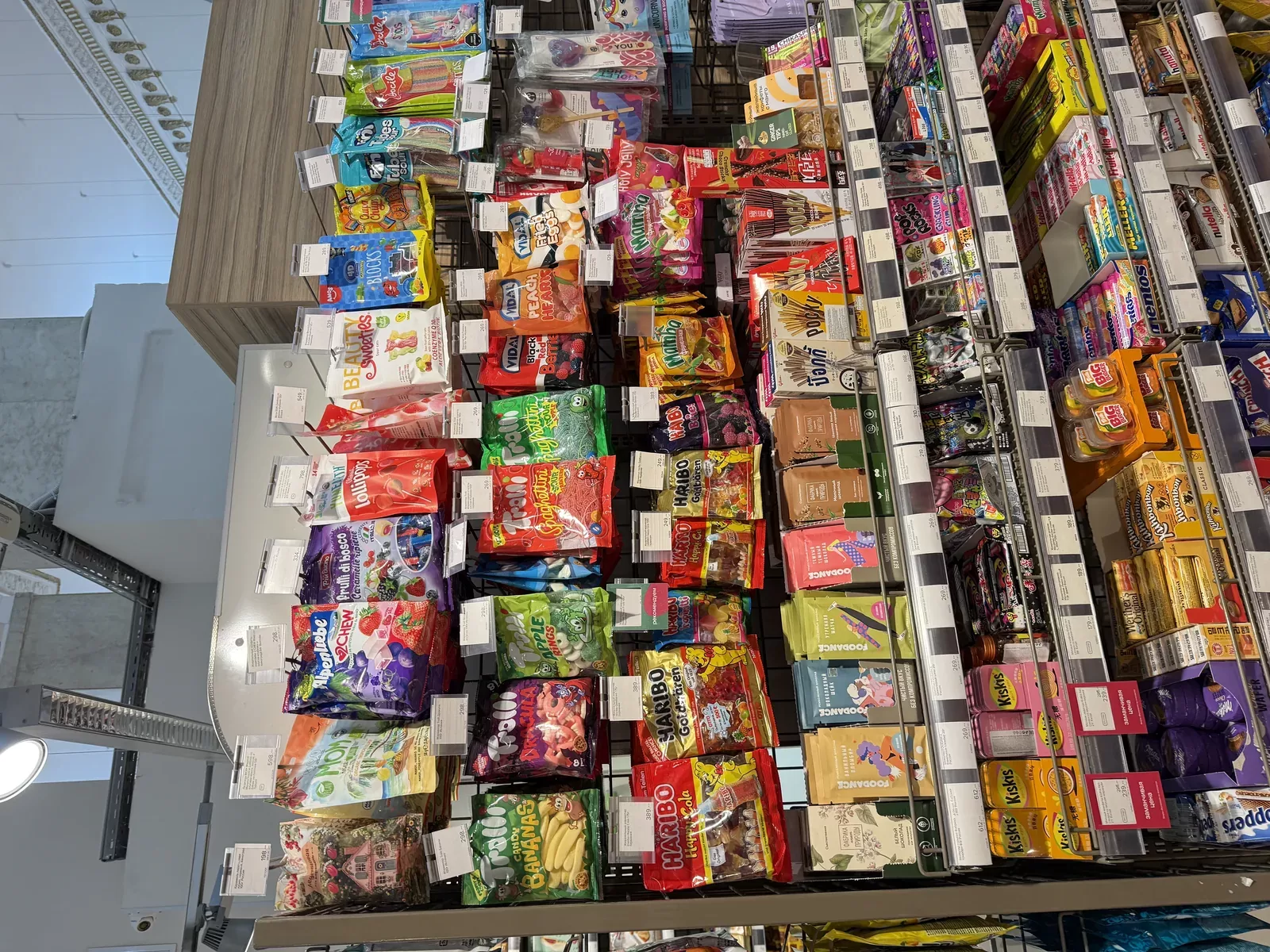
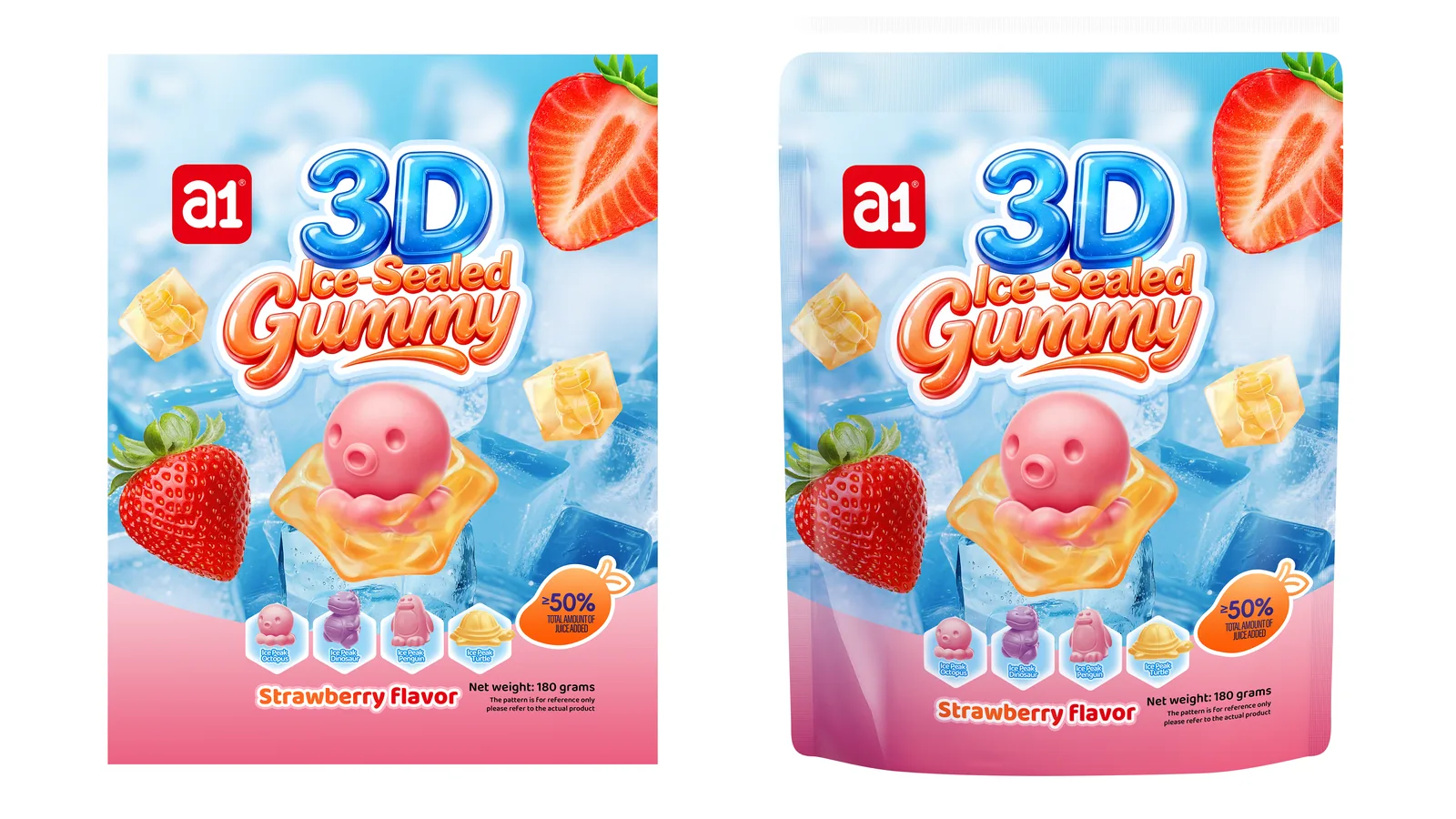
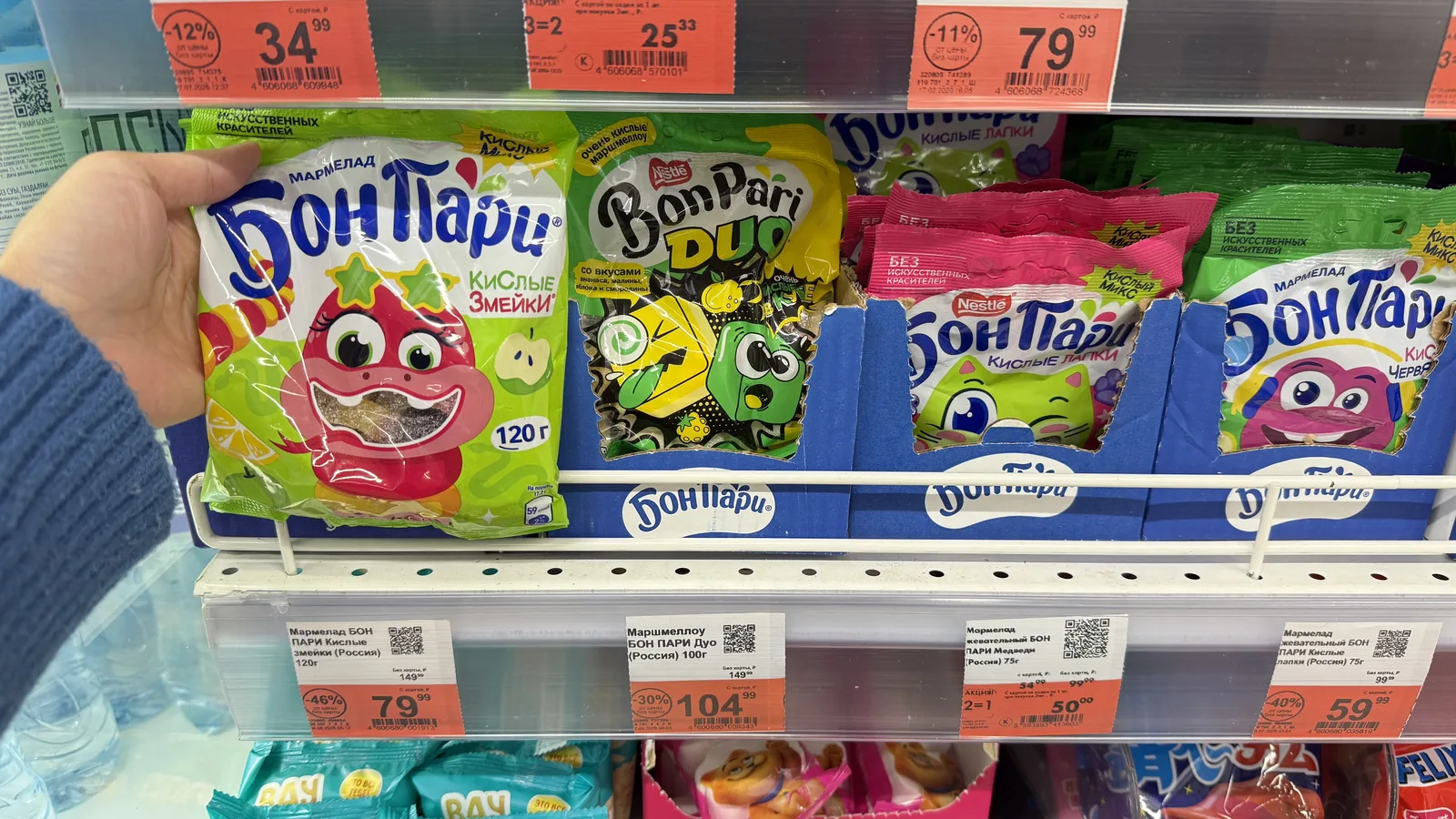
Two rows explain most buying decisions. The transit row is why the format scales in Latin America, the Middle East, Southeast Asia and Africa, where a 25–40 day ocean leg punishes anything heat-sensitive. The shelf-position row is why it scales in Russia and the CIS, where pouch confectionery already dominates the candy wall and a coffee SKU slots into existing planograms. The wider novelty line shares the logic: the 3D Ice-Sealed gummy series is engineered as a heat-proof, travel-stable format, so a mixed container carries one coherent "built for hot routes" story across several SKUs.
The Zero-Sugar Claim, Handled Correctly
"Zero sugar" is a selling point and a compliance surface at the same time. The Ice-Burst recipe is formulated without sucrose, on a maltitol, erythritol and sorbitol blend. But the words that may appear on the final pack — "sugar free", polyol declarations, digestion-related advisories — are regulated nutrition and label claims, and the thresholds and wording differ by market. Our position, and what buyers should require: the recipe is a positioning concept, and the final on-pack claim follows the regulations of each target market, confirmed in writing before artwork is printed.
We covered the sweetener systems and claim mechanics in depth in our sugar-free gummies guide; in short, a supplier who can name its polyols, their ratios and the claim rules of your destination market is a supplier whose paperwork survives customs and retail audits — and our eight-point factory audit checklist folds this into first-importer verification.
Shelf Mechanics: Why Convenience Buyers Pick the Pouch
Convenience retail lives on small baskets and impulse decisions, and the pouch format is built for both. A 40–60 g peg bag prices at an entry impulse level; the resealable stand-up format keeps the remainder usable, driving repeat purchase. Our packaging format comparison breaks down where pouches, jars and stick packs each win — and for convenience channels the answer is consistent: the pouch carries the peg, the counter and the basket.
Who Is Already Buying
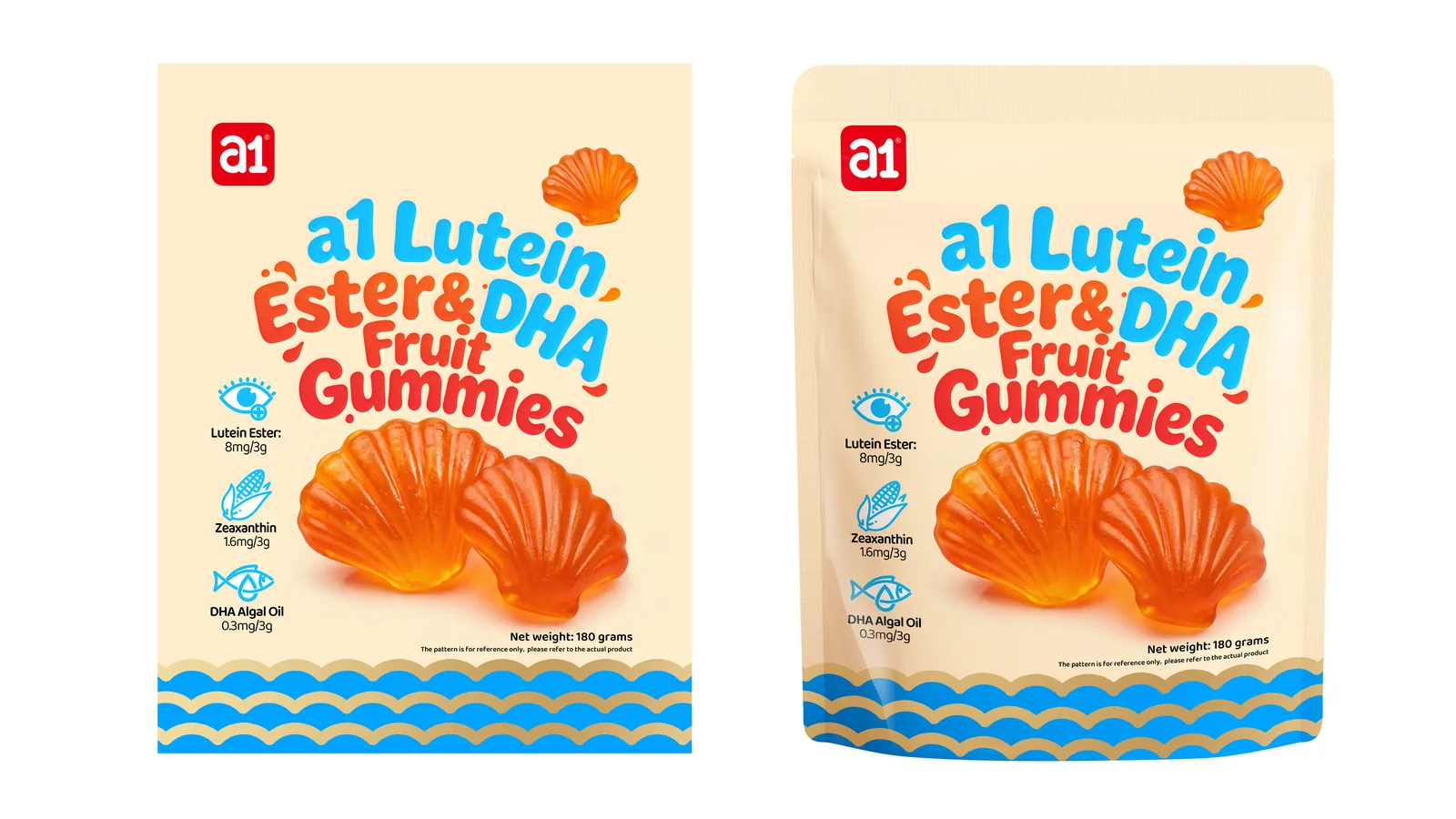
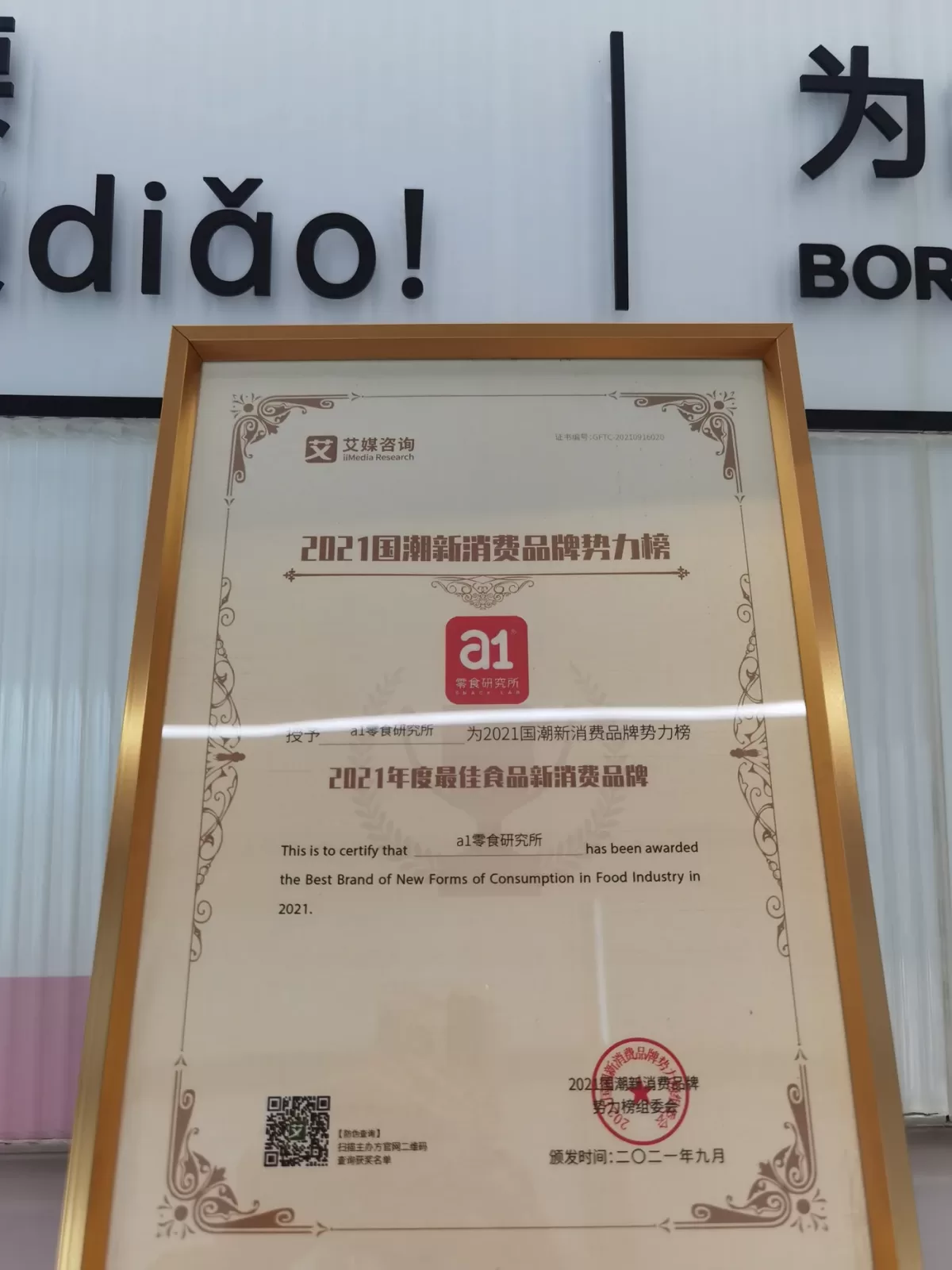
a1 supplies convenience and mass retail systems including 7-Eleven, Lawson, Circle K, GS25 and FamilyMart across more than 40 export markets. Production runs on two bases and eight lines under FSSC 22000, BRC, HACCP, halal and BSCI certification, with a CNAS-accredited laboratory releasing a certificate of analysis for every batch — so a format that tests well keeps shipping, COA by batch.
An Eight-Point Checklist Before Your First Coffee-Gummy Order
1. Taste the burst center against your market's coffee preference.
2. Get the polyol system in writing: which sugar alcohols, in what ratios, and why.
3. Confirm the zero-sugar wording allowed in your destination market before artwork approval.
4. Check polyol advisory-labeling requirements where you sell.
5. Verify the 12-month ambient shelf life and request a batch COA with the sample.
6. Confirm certification coverage: FSSC 22000, BRC, HACCP, halal where your market requires it.
7. Size the trial: MOQ from 500 cartons per SKU; 200-carton trial orders for new markets.
8. Plan the peg: 40–60 g for checkout, 150–200 g for the family-size wall.
Frequently Asked Questions
What is the minimum to start? MOQ from 500 cartons per SKU, and 200-carton trial orders for new markets — sized so a convenience test fits one mixed container, not a dedicated one.
What backs the format beyond the recipe? A 12-month ambient shelf life, certification across FSSC 22000, BRC, HACCP, halal and BSCI, and a certificate of analysis for every batch from a CNAS-accredited laboratory.
Move the Occasion onto Your Shelf
The energy occasion is not going anywhere — it is changing format. Convenience chains that lock a credible coffee-gummy position this season take the occasion from the chilled cabinet at confectionery margins, with logistics that survive the tropics. The window is a supplier-qualification window, not a waiting one.
To request samples, the Ice-Burst specification sheet or a trial slot for your market, contact Katherine at a1 Snack Lab — Justin@a1food.cn or WhatsApp +86-189-6548-2111. MOQ from 500 cartons per SKU, 200-carton trial orders for new markets. For the complementary buyer angle, read our coffee-gummies energy-snack brief.