
Most guides about importing bakery from China start with supplier lists and price sheets. That is the wrong order. Stuffed toast is not a commodity you pick from a catalogue — it is a logistics product. Whether it earns permanent shelf space in your market depends on four decisions you make before a single carton is produced: which SKUs go into the container, how the MOQ is structured, what actually fits in a 40HQ, and which certificates your chain buyer will verify before your offer is even opened.
This is the checklist we walk through with distributors and category buyers every week. It is written for people who sign purchase orders, not for tourists.
1. Know exactly what you are buying
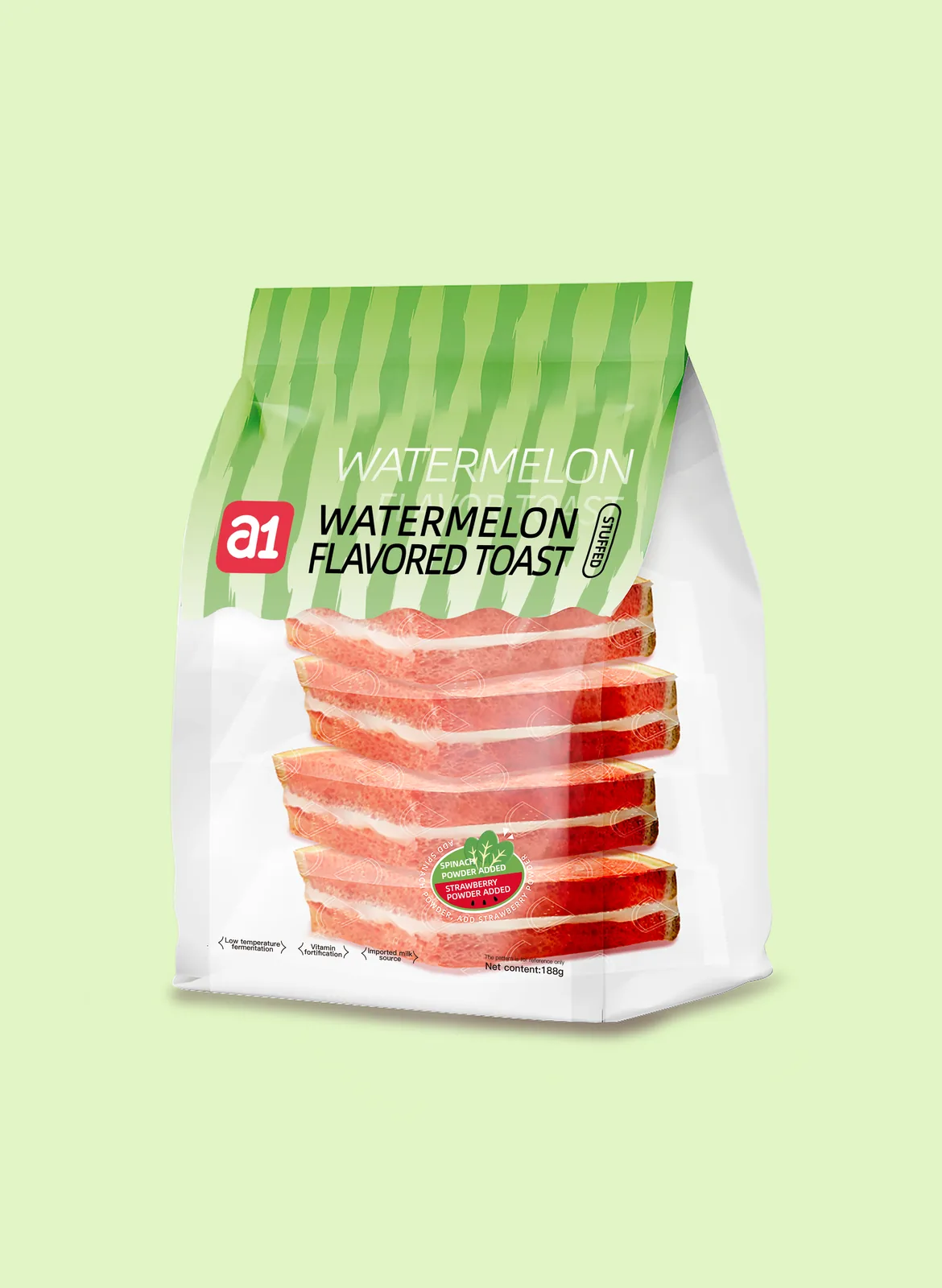
"Stuffed toast" is a soft baked loaf with a fruit filling sealed inside a colored crust. The selling point is not the novelty color — it is that the bread stays soft at ambient temperature for six months. That single property is what makes it viable for ocean freight, distributor warehousing and retail channels a chilled bakery product can never reach.
The family of SKUs we build export programs around:
- Stuffed Watermelon Toast and Stuffed Melon-Flavored Toast — 188g (4 slices) per bag, 12 bags per carton, 6-month ambient shelf life. The watermelon variant is the category anchor; the melon variant lets you run a second flavor on the same spec without new tooling.
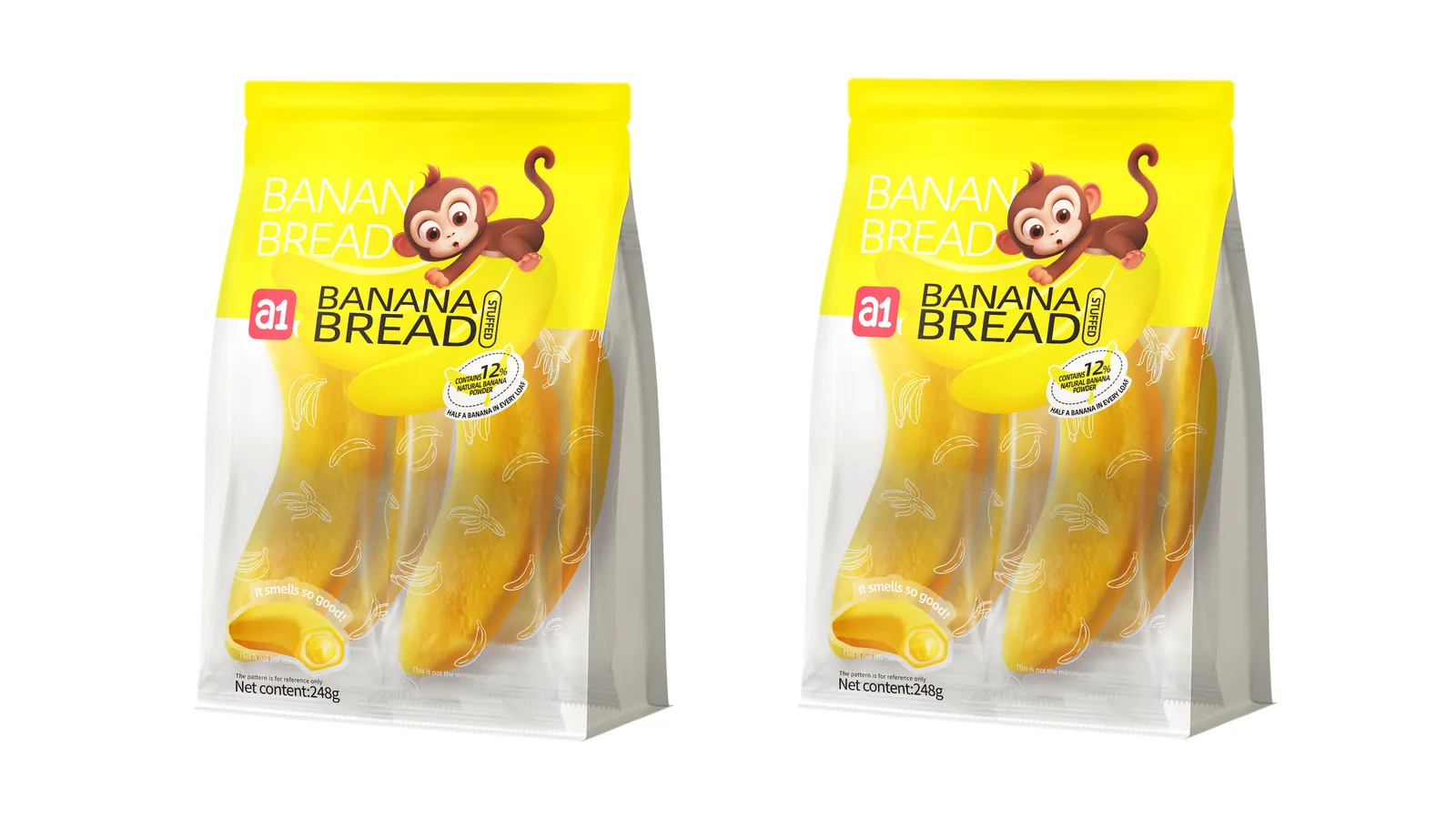
- Banana Bread — 248g (4 slices) and a 372g (6 slices) family pack, 12 and 8 bags per carton respectively, 6 months.
- Mango Bread — 238g (4 slices), 12 bags per carton, 6 months.
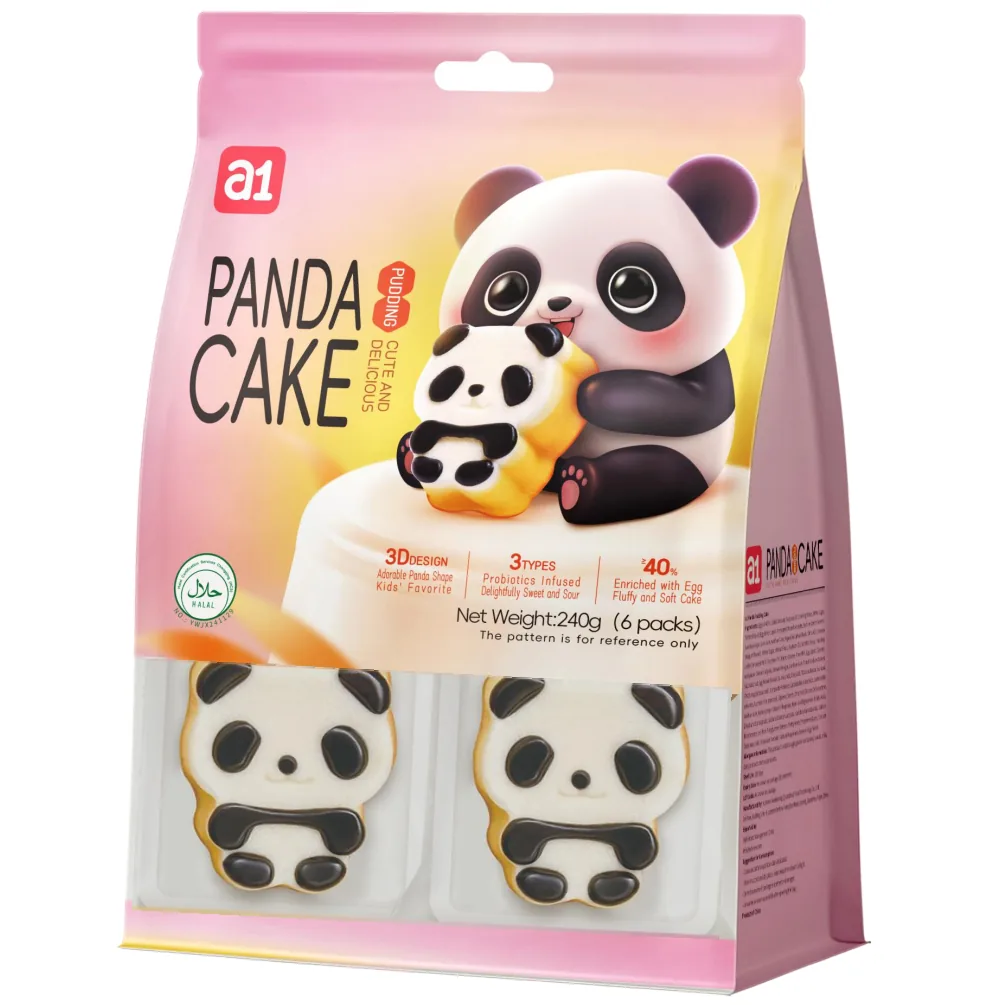
- Panda Pudding Cake — 240g (6 pieces) per bag, 12 bags per carton, 6 months.
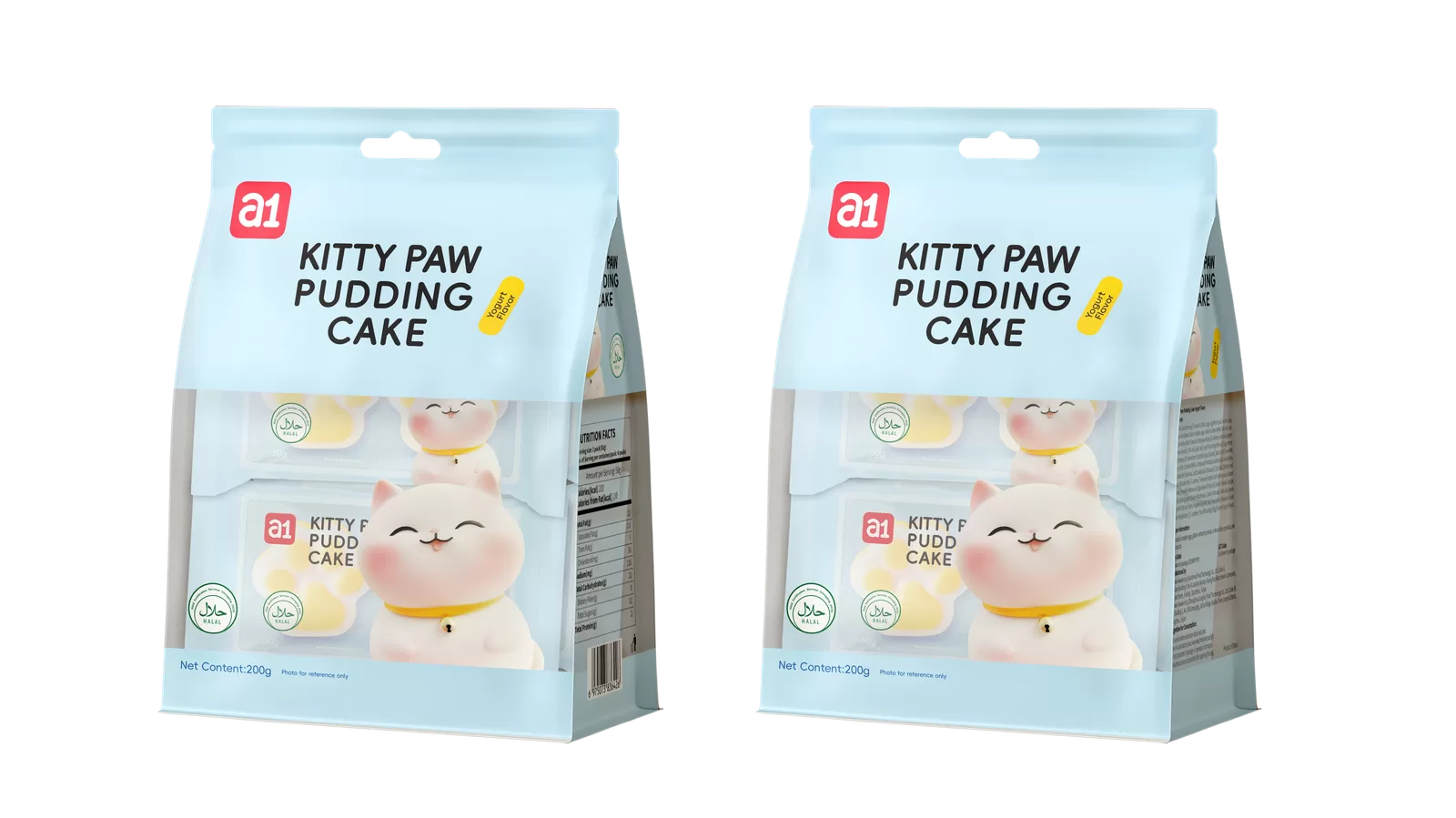
- Cat Paw Pudding Cake — 200g (8 pieces) per bag, 24 bags per carton, 6 months.
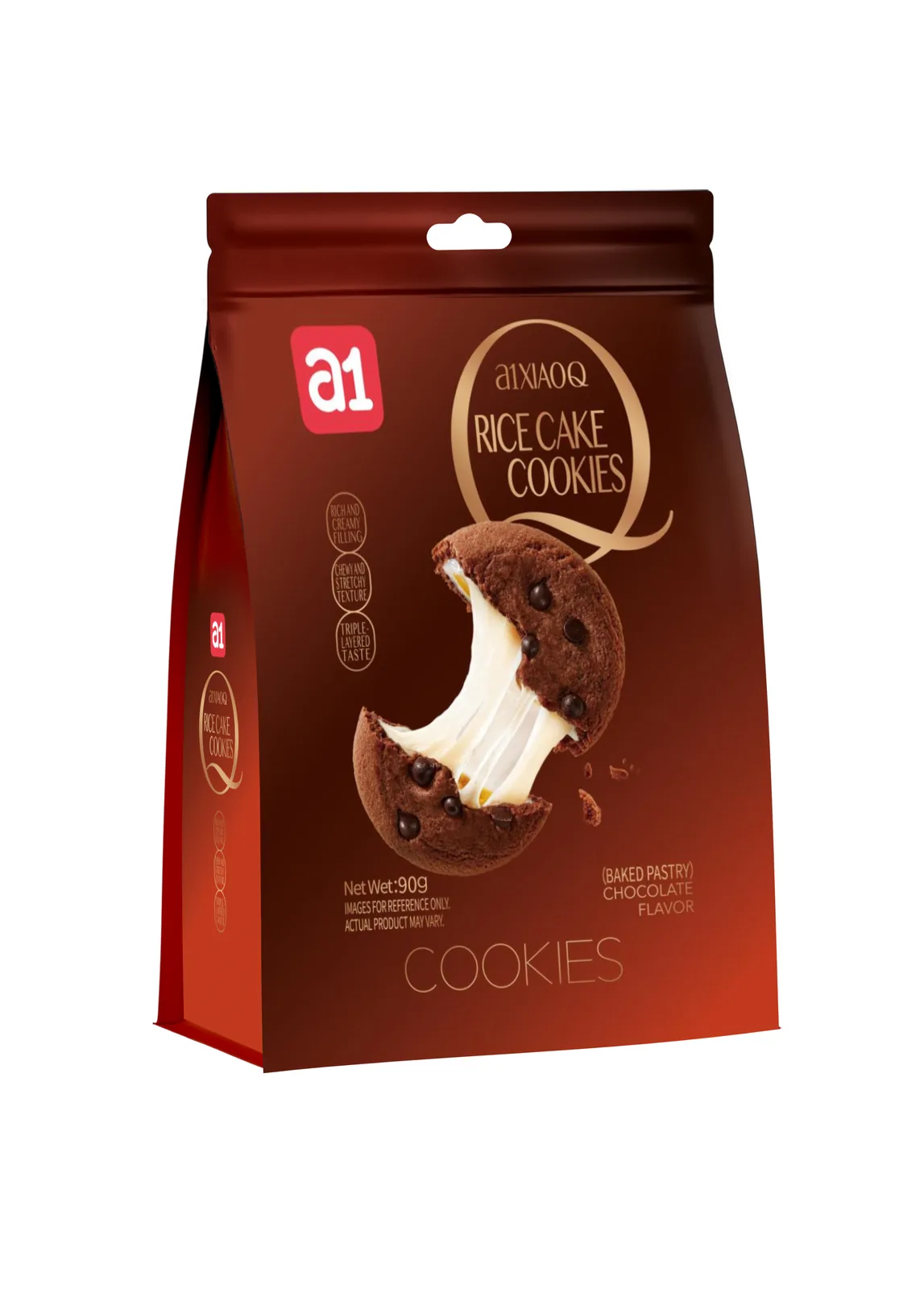
- Rice Cake Cookies (chocolate or strawberry) — 90g (6 pieces) per bag, 24 bags per carton, 9-month shelf life.
Still deciding which flavor to lead with? Our breakdown of watermelon versus melon wording on the pack explains why the flavor word on the front decides which shelf the product sells from. For the technical background on ambient shelf life, read how stuffed toast and juice-filled cakes survive long export routes.
2. MOQ: what it actually protects, and the terms we publish
Minimum order quantities exist for a boring reason: a production line has to be changed over, cleaned and calibrated for each SKU, and that setup cost has to be absorbed by a run. A supplier who quotes an unrealistically low MOQ is either running your order on a shared line, or planning to substitute specifications later.
Our published terms are deliberately simple: MOQ from 500 cartons per SKU, with 200-carton trial orders available for new markets. The 500-carton level is where unit economics become honest for both sides. The 200-carton trial exists because we would rather prove the product on a small container than lose a partner on a warehouse full of the wrong assumption.
Practically, that means a first-time buyer can validate three things before committing a full program: retail reaction in a real channel, the port-to-shelf logistics chain, and the paperwork flow with your customs broker.
3. What actually fits in a 40HQ
Container loading is where bakery import deals quietly succeed or fail. Bakery cartons are light but bulky: you usually run out of volume long before weight. These are the planning figures we work from for a 40HQ high-cube:
| SKU | Pack | Carton | Cartons per 40HQ | Bags per 40HQ |
|---|---|---|---|---|
| Stuffed Watermelon Toast | 188g (4 slices) | 12 bags | 2,204 | 26,448 |
| Stuffed Melon-Flavored Toast | 188g (4 slices) | 12 bags | 2,204 | 26,448 |
| Banana Bread | 248g (4 slices) | 12 bags | 1,860 | 22,320 |
| Banana Bread family pack | 372g (6 slices) | 8 bags | 1,778 | 14,224 |
| Mango Bread | 238g (4 slices) | 12 bags | 2,000 | 24,000 |
| Panda Pudding Cake | 240g (6 pcs) | 12 bags | 1,518 | 18,216 |
| Rice Cake Cookies | 90g (6 pcs) | 24 bags | 2,066 | 49,584 |
| Cat Paw Pudding Cake | 200g (8 pcs) | 24 bags | 1,431 | 34,344 |
Read the table as a planning tool, not a promise. A real loading plan depends on your SKU mix, pallet configuration and whether the container is floor-loaded or palletized — so we confirm the exact figure for your mix at the sampling stage, before the order is signed.
4. Certificates: what a chain buyer verifies before listing you
Modern retail chains do not read supplier brochures; they read certificates. Before a listing committee opens your offer, their quality department will normally ask for:
- FSSC 22000 and BRC — the two food-safety schemes most European and North American chains recognize without translation.
- HACCP — the baseline hazard-control system underneath both of the above.
- HALAL — required for Gulf, Southeast Asia and Muslim consumer segments in Europe.
- BSCI — the social-compliance audit that European retail groups increasingly attach to supplier onboarding.
- Batch-level traceability and a COA per production batch — not a certificate on the wall, but test results for the exact batch you are shipping. Ours are issued by our own CNAS-accredited laboratory.
For US-bound programs, our production facilities are an FDA-registered food facility. Note the wording: registration means the facility is registered with the FDA and ships under FDA food-facility requirements — it is not an endorsement of any product, and any honest supplier will phrase it exactly that way.
5. What drives landed cost — and why we do not publish prices
You will notice this guide contains no prices. That is deliberate. A bakery FOB price depends on at least six variables: the SKU mix in the container, packaging format and film structure, filling ratio, trade term (FOB, CFR, CIF or DDP), destination port, and the freight season you ship in.
Any supplier who publishes a single price for stuffed toast is quoting a number they intend to renegotiate later. The professional path is short: send your target market, channel and concept, receive samples and an FOB quotation built on your actual specification, then audit the certificates yourself before a single carton ships.
6. Six checks to run before your first order
- Confirm shelf life in writing. Six months ambient for the bakery range, nine months for the rice cake cookies. Check both numbers against your import pipeline and retail payment terms.
- Ask for a loading plan for your exact SKU mix, not a generic container number.
- Verify certificates against the production line that will run your order, not against company letterhead.
- Request the COA of the actual batch before the container closes.
- Agree packaging language and label content for your target market at the artwork stage — English packaging is standard on our export range.
- Use the trial order. A 200-carton pilot in one city teaches you more than any spreadsheet.
7. Why importers start this category with a1
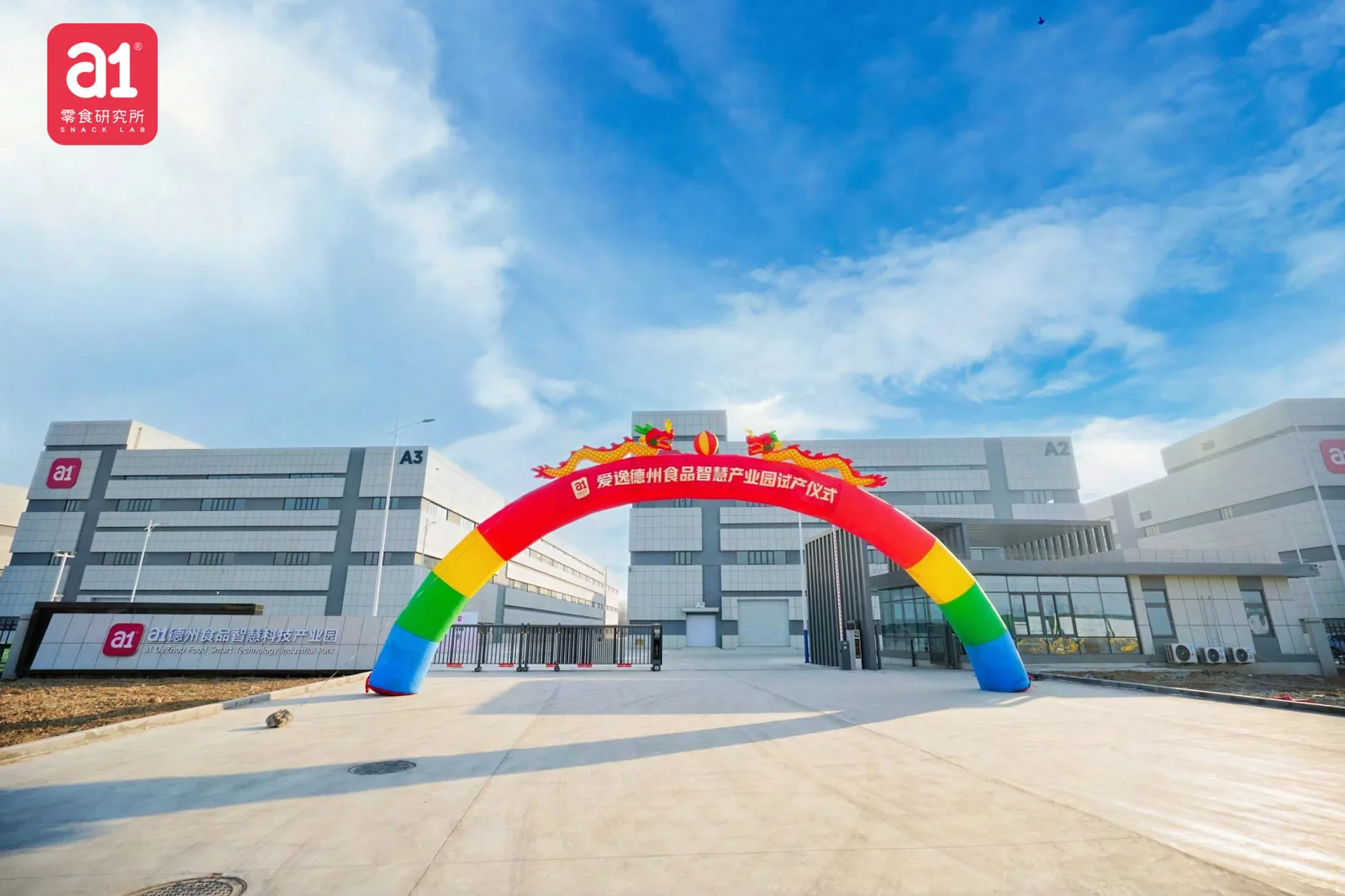
a1 (Xiamen) Food Technology was founded in 2016 and exports to more than 40 markets across Europe, the Americas, Oceania, Asia and the Middle East. Our bakery and gummy lines are already listed in systems including Sam's Club, Costco, 7-Eleven, Kaufland, Lawson, GS25, Circle K, SM Group, Magnit, X5 Group, Samokat and FamilyMart. Behind that shelf presence sit two production bases, eight lines, three R&D centers and more than 200 patents.
For a first container, that means three practical advantages: English packaging that is already retail-ready, a character-SKU portfolio that survives planogram discussions, and a QC and traceability package your buyer's quality department can process without chasing documents.
The bottom line
Importing stuffed toast from China is not a price conversation. It is a specification conversation: shelf life, loading, certificates, and a supplier who will let you start small. Get those four right and the category becomes one of the quietest reorder engines in your portfolio — which is exactly what our partners use it for.
Talk to a1 Snack Lab about your stuffed toast program.
Contact: Katherine | Email: Justin@a1food.cn | WhatsApp: +86-189-6548-2111 | Send an inquiry
Tags: import bakery from china, stuffed toast supplier, MOQ bakery wholesale, 40HQ container loading, halal certified bakery