
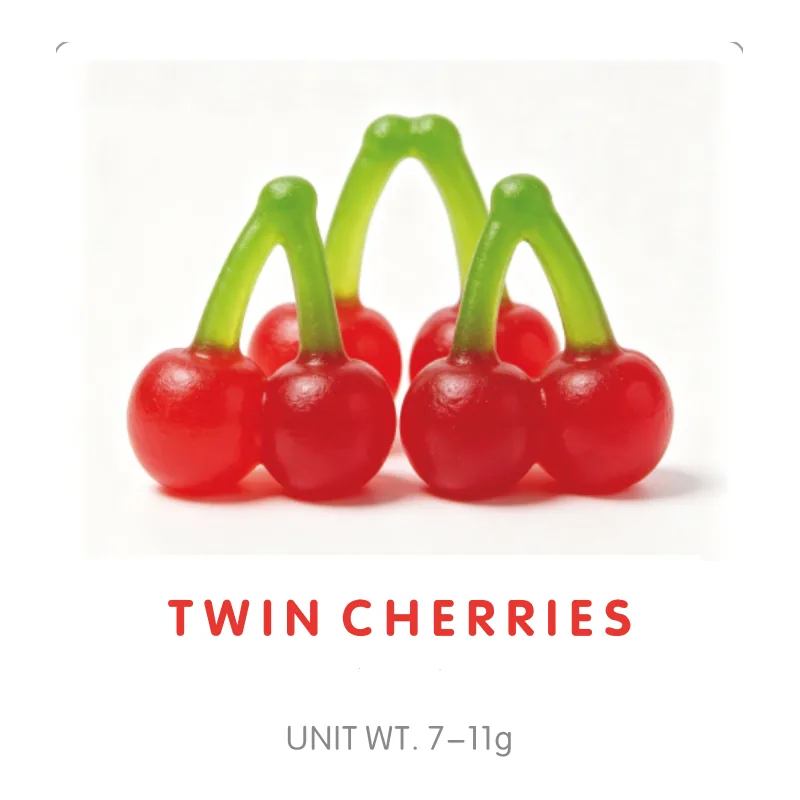
A buyer in Berlin or Riyadh rarely rejects a gummy on flavor alone. Increasingly, the line that stops a listing is a short one: "natural colors only." Clean-label has moved from a marketing buzzword to a concrete purchase specification, and distributors who brief their supplier sloppily on color end up with a batch they cannot list. For an importer building a candy range, the color clause is now as important as shelf life and MOQ.
Why "Natural Colors" Became a Spec Sheet Line
Two forces pushed color to the front of the RFQ. First, end consumers in mature retail markets read ingredient lists and avoid synthetic dyes. Second, several major EU retailers now treat "no artificial colors" as a listing prerequisite rather than a preference. The result: a distributor who wants shelf space in those channels must prove the color source, not just the shade. We cover the stability side of this in our guide to ambient-stable 12-month gummies, but color is a separate discipline.
What "Natural Color" Means in a Gummy (and What It Doesn't)
Natural color means the pigment comes from a food source — fruit and vegetable concentrates, plant extracts, carotenoids, anthocyanins — rather than a synthetic dye. It does not mean "healthier" in a regulatory sense, and it is not a nutrition claim. What it changes is the formulation risk profile:
- Shade variance. Natural pigments shift slightly with batch and pH; synthetic dyes are near-identical every time.
- Light and heat stability. Some natural reds and purples fade under long ocean transit and bright shelf lighting.
- Cost and supply. Natural sources cost more and depend on agricultural supply.
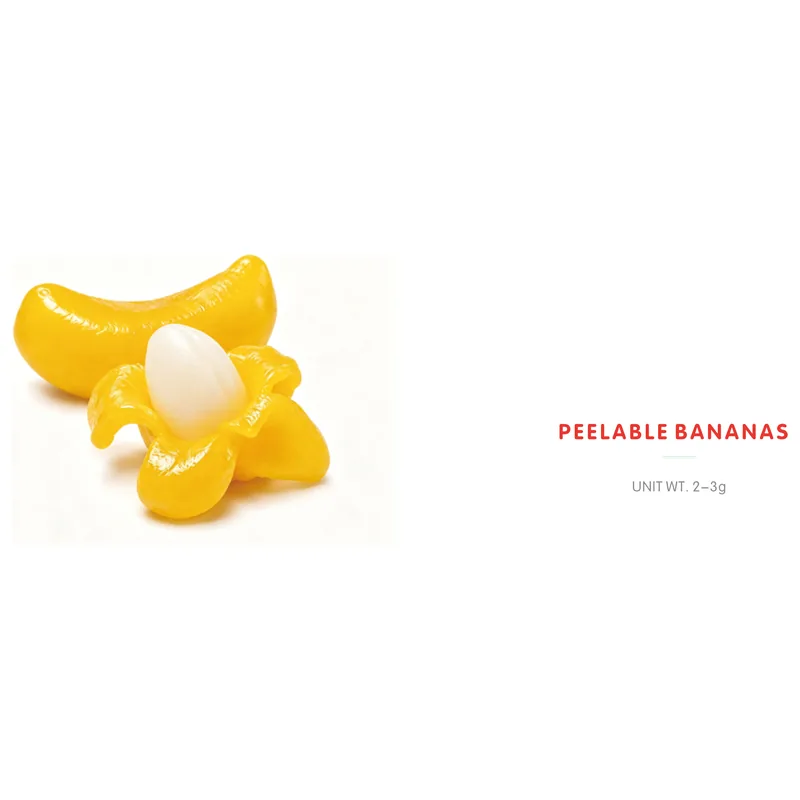
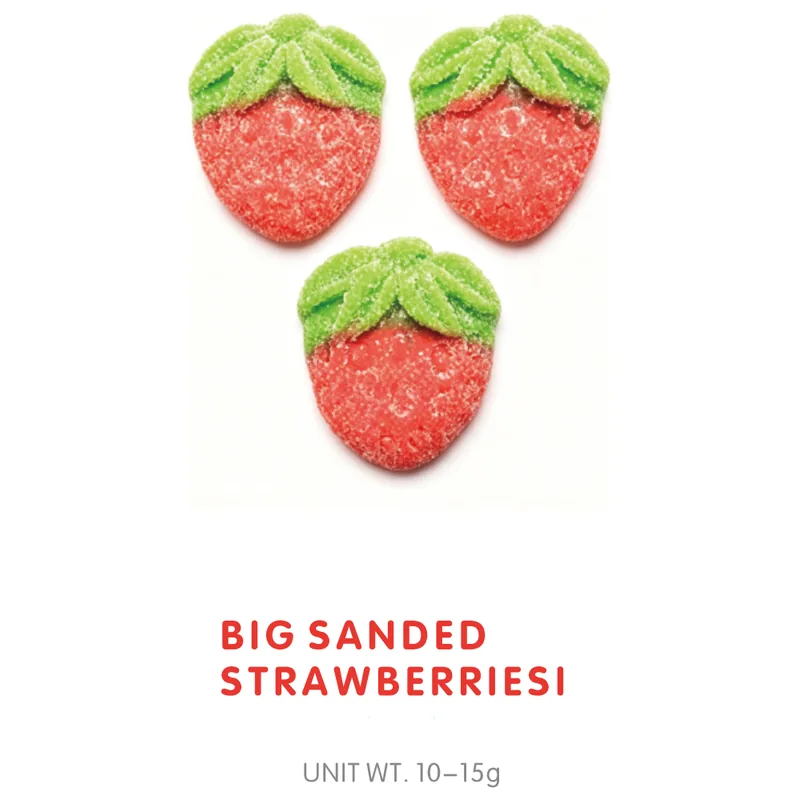
Our sour sanded gummy line is specified with natural pigments, and our peelable gummy carries real fruit juice — both are built for buyers who need a clean-label story without sacrificing the format.
Regional Spec Differences Buyers Voice
The same "natural colors" request lands differently by market. These are the patterns we hear from distributors, not regulatory thresholds:
| Market | What buyers specify | Practical implication |
|---|---|---|
| EU | "No artificial colors" as a listing rule; preference for fruit/plant extracts | Document the pigment source per SKU |
| US | "No artificial colors" claims on pack; FDA-registered facility for US-bound goods | Claim language must stay within FDA rules |
| LatAm | Color drives impulse; natural accepted when the price holds | Lead with vivid natural shades, protect margin |
| Gulf | Halal plus natural preference; heat-stable pigments | Combine halal certification with color stability proof |
None of this is a substitute for the importer's own target-market legal review — final on-pack claims follow the regulations of each target market.
Our Natural-Pigment Lines
Two formats carry the clean-label story best. The sour sanded range uses natural pigments and a sugar shell that also buffers the center from humidity — useful on hot routes. The peelable gummy leads with 50% real fruit juice, a claim buyers can actually show on the pack. Both sit inside a 12-month ambient-stable system, which matters more than ever on long routes — see our shelf-life guide.
How to Write "Color" Into Your Purchase Order
A vague "use natural colors" leaves the supplier guessing. A useful color clause names four things:
- Source. Fruit/vegetable concentrate, plant extract, or carotenoid — named, not implied.
- Shade tolerance. Acceptable variance between batches, agreed in writing.
- Claim limit. Exactly what may appear on pack (e.g., "colored with fruit extract"), bounded by target-market rules.
- Stability proof. Light- and heat-aging data for the distribution environment.
Packaging choices change how much fading a natural color suffers; our packaging formats guide explains the barrier-film trade-offs.
Color Stability on Long Ocean Routes
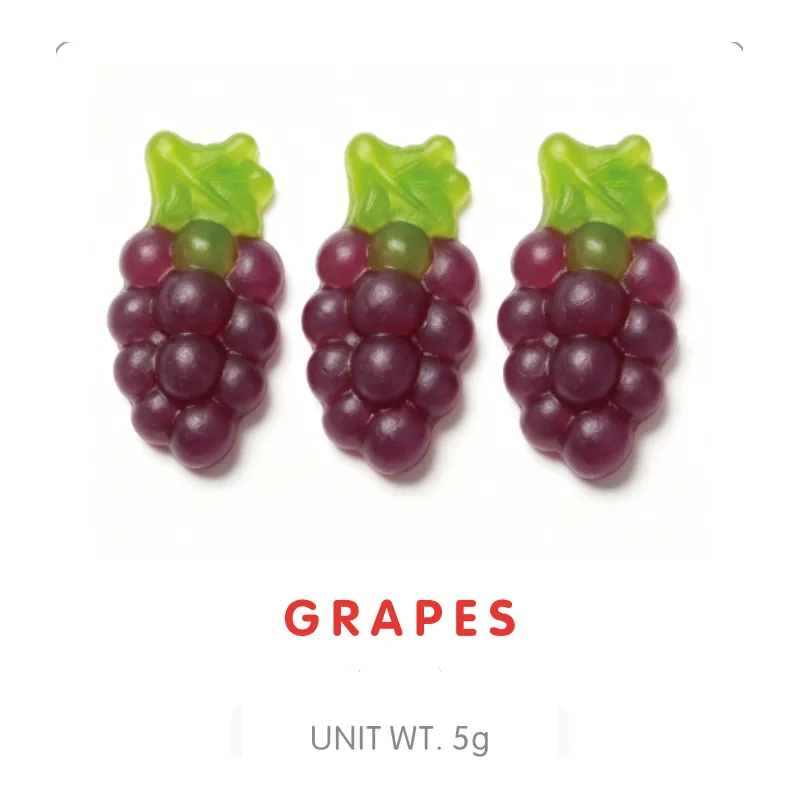
Natural reds and purples are the first to fade under light and heat. The fix is not a different pigment alone — it is the whole system: a low-water gel, a moisture- and light-barrier pouch, and validated stability testing in a CNAS-accredited laboratory. We run that validation in-house and attach a COA to every batch. The same discipline appears in our 12-month shelf-life program and our acid-coated format work for LatAm and CIS.

Natural Colors and Your Retail Pitch
Documented natural color is more than a compliance checkbox — it is a retail pitch. Buyers presenting to chain or CVS buyers can show the pigment source and stability data up front, which shortens the listing review and removes the most common reason a clean-label SKU gets bounced back. It also lets the supplier defend the shade on shelf: when a buyer knows a natural red is light-sensitive, they place the peg away from direct lighting and protect the brand. The same discipline — named source, agreed tolerance, per-market claim limit and aging data — is what separates a gummy that lists from one that lingers in the approval queue.
A Pre-Order Color Checklist
- Name the pigment source for each SKU.
- Agree the batch-to-batch shade tolerance.
- Define the exact on-pack color claim per market.
- Confirm halal and other certifications if required.
- Request light- and heat-aging stability data.
- Confirm the barrier packaging specification.
- Estimate total transit time to your DC.
- Size the first order via mixed container to limit risk — see our mixed 20GP loading model.
MOQ, Mixed Containers and Trial Orders
We support new distributors with a MOQ from 500 cartons per SKU, 200-carton trial orders for new markets. Because gummies are compact and ambient-stable, a mixed 20GP can carry several naturally colored SKUs — letting you test shade performance across formats in one shipment. Talk to our team via the contact page to build a clean-label trial assortment.
Frequently Asked Questions
Do natural colors mean the gummy is healthier? No. "Natural color" describes the pigment source only; it is not a nutrition or health claim, and we make no such claim.
Can you document the color source for retail listing? Yes — we provide the pigment source and stability data so your team can complete the target-market review.
Are these halal and certified? The facility carries FSSC22000, BRC, HACCP, HALAL and BSCI certifications, and is an FDA-registered food facility for US-bound goods.
Talk to Our Team
If clean-label is part of your next candy range, the color clause should be written before the contract, not after the rejection. Contact our team for pigment-source documentation, stability data and a mixed-container trial plan.