
A distributor's first festive order is almost always the easiest "yes" you will ever win. The buyer is already in a gifting mood, the shelf peg is free for six weeks, and the risk of a seasonal SKU is small next to a permanent listing. The hard part is not the first order. It is the second one.
This guide is for distributors, wholesalers and retail buyers who want a holiday bakery gift box to become a recurring program — not a one-December wonder. We will look at how to design the assortment, what shelf-life math keeps the peg alive, how to map one holiday into a year-round calendar, and the eight points to confirm before you commit a seasonal SKU.
Why the first festive order is the easiest "yes" you will ever win
Seasonal buying behaves differently from everyday replenishment. A buyer approving a Christmas or Lunar New Year assortment is not betting the category on you; they are filling a temporary peg with a product that sells on emotion. That lowers the internal friction to say yes. It also means the first order tells you almost nothing about long-term fit.
The distributors who build real volume treat the festive SKU as a trial run with a planned second act. They design the gift box so that, once the holiday ends, a version of it can stay on the shelf or return next season without re-educating the buyer.
The repeat-order trap most distributors walk into
The trap is treating a seasonal SKU like a permanent one. A gift box built only for December arrives in October, peaks in December, and by January the buyer has nowhere to put it. Without a plan for the "next" order, the relationship resets to zero every year.
Three signs you are in the trap: the packaging cannot survive past the holiday; the assortment has no natural successor SKU; and the shelf-life window does not cover the full selling season plus transit. Fix those three and the second order becomes a formality.
Design the gift box as a program anchor
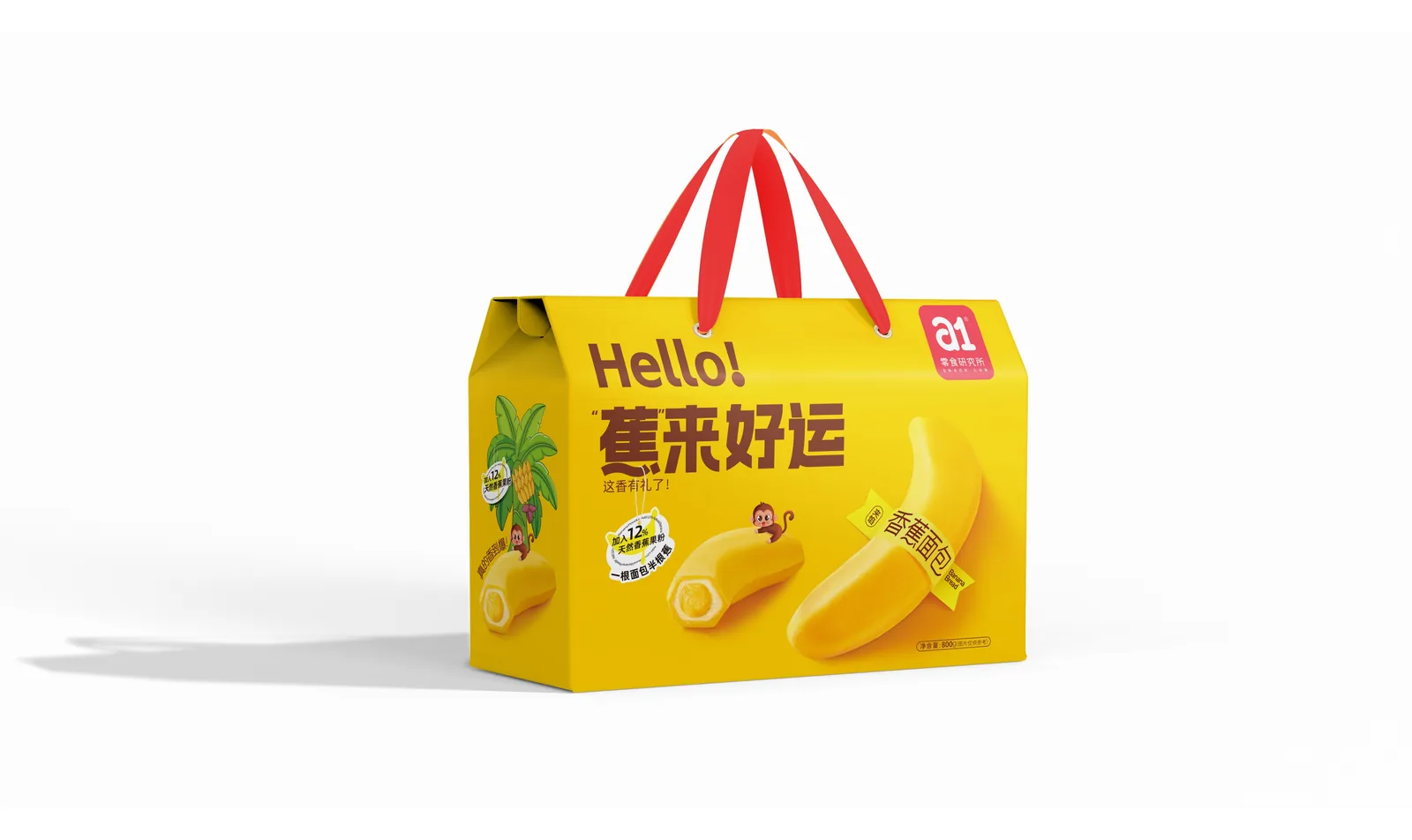
The strongest festive boxes are not single products — they are a curated assortment that shows the range of your bakery line. A mixed gift box of stuffed toast, pudding cake and rice cake cookies gives the shopper a "discovery" experience and gives you four or five SKUs working toward one peg.
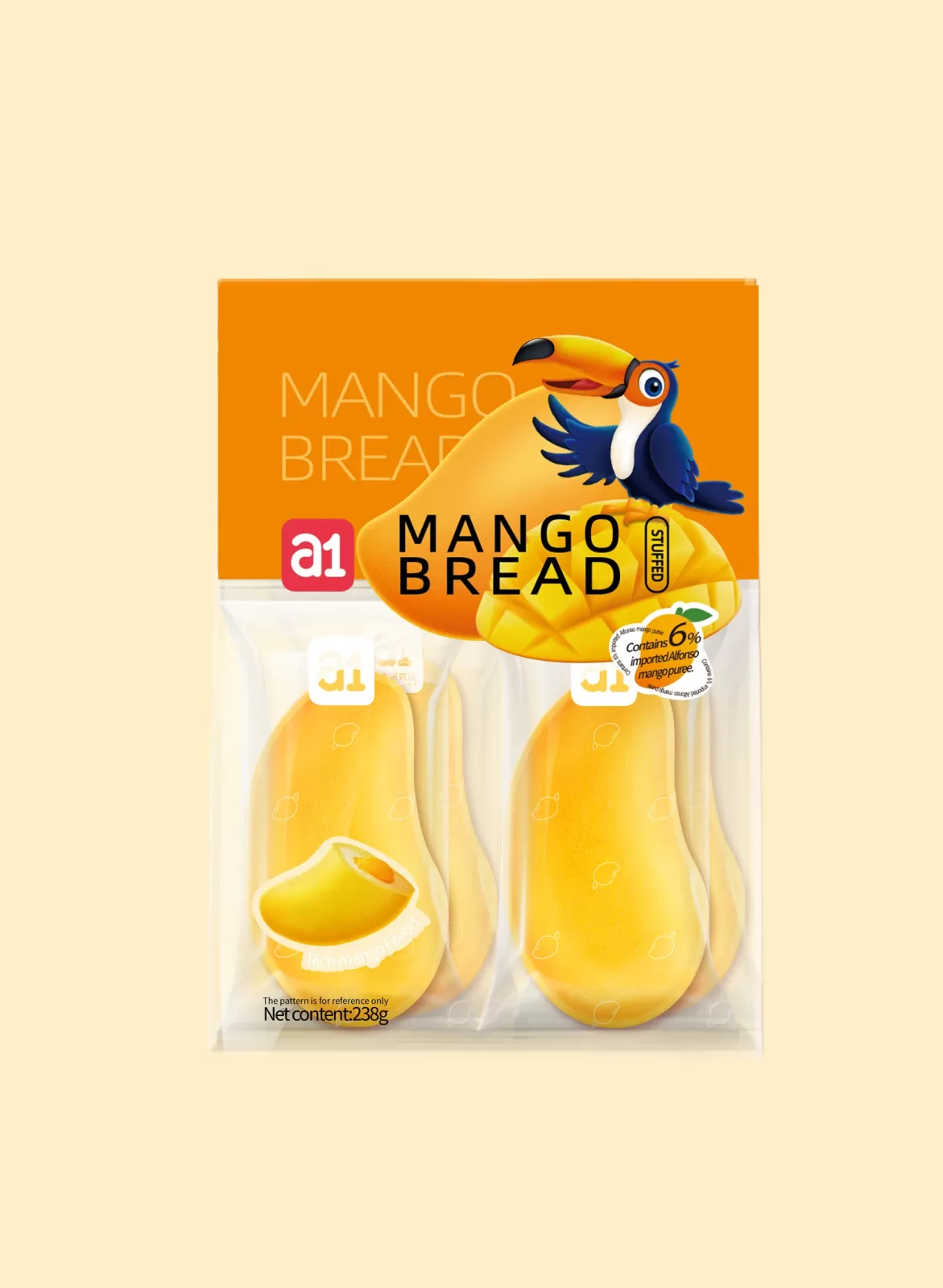
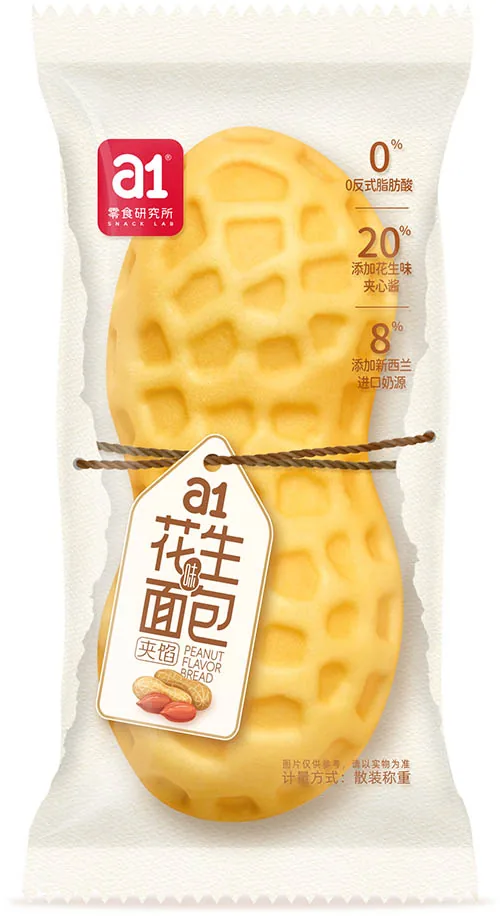
For a gifting anchor, the a1 Rice Cake Cookie works unusually well: at nine months it carries the longest shelf life in the line, it travels without crushing, and its portion format fits both a premium gift box and an everyday repurchase. The box becomes the hook; the cookie becomes the repeat.
The shelf-life math that protects the holiday peg
Shelf life is the quiet risk manager of any seasonal program. If a product ships with six months and spends 35 days at sea, it arrives with roughly four months — and a buyer expecting a "sell through the new year" peg will reject it.
Rule of thumb we apply with distributors: the product should arrive with at least two-thirds of its labelled shelf life remaining. That means a six-month SKU needs to ship inside roughly the first 60 days of its life, while a nine-month SKU has far more slack for long routes and late re-orders.
| Format | Labelled shelf life | Safe transit window | Best festive use |
|---|---|---|---|
| Stuffed toast | 6 months | Short / nearby lanes | Local Christmas & Lunar New Year |
| Pudding cake | 6 months | Short / nearby lanes | Gift box centrepiece |
| Rice cake cookie | 9 months | Long ocean routes | Export gift boxes, re-orders |
From one holiday to a year-round calendar
The buyers who get the most from a festive SKU do not stop at December. They map the calendar: Halloween impulse, Christmas gifting, Lunar New Year sharing, and Eid family assortments each open a peg on a predictable date. One well-designed gift box becomes four selling windows if the packaging and SKU mix are planned for the sequence.
Our buyer's calendar for festive bakery ordering works backwards from each holiday peg — when production slots fill, what ships well, and how to assemble one compliant mixed container before the window closes.
Packaging formats that survive gifting and shipping
A gift box fails in two places: on the shelf (it does not look like a gift) and in the carton (it arrives crushed). The format decision — bag, box or gift carton — changes load efficiency, protection and perceived value at the same time.
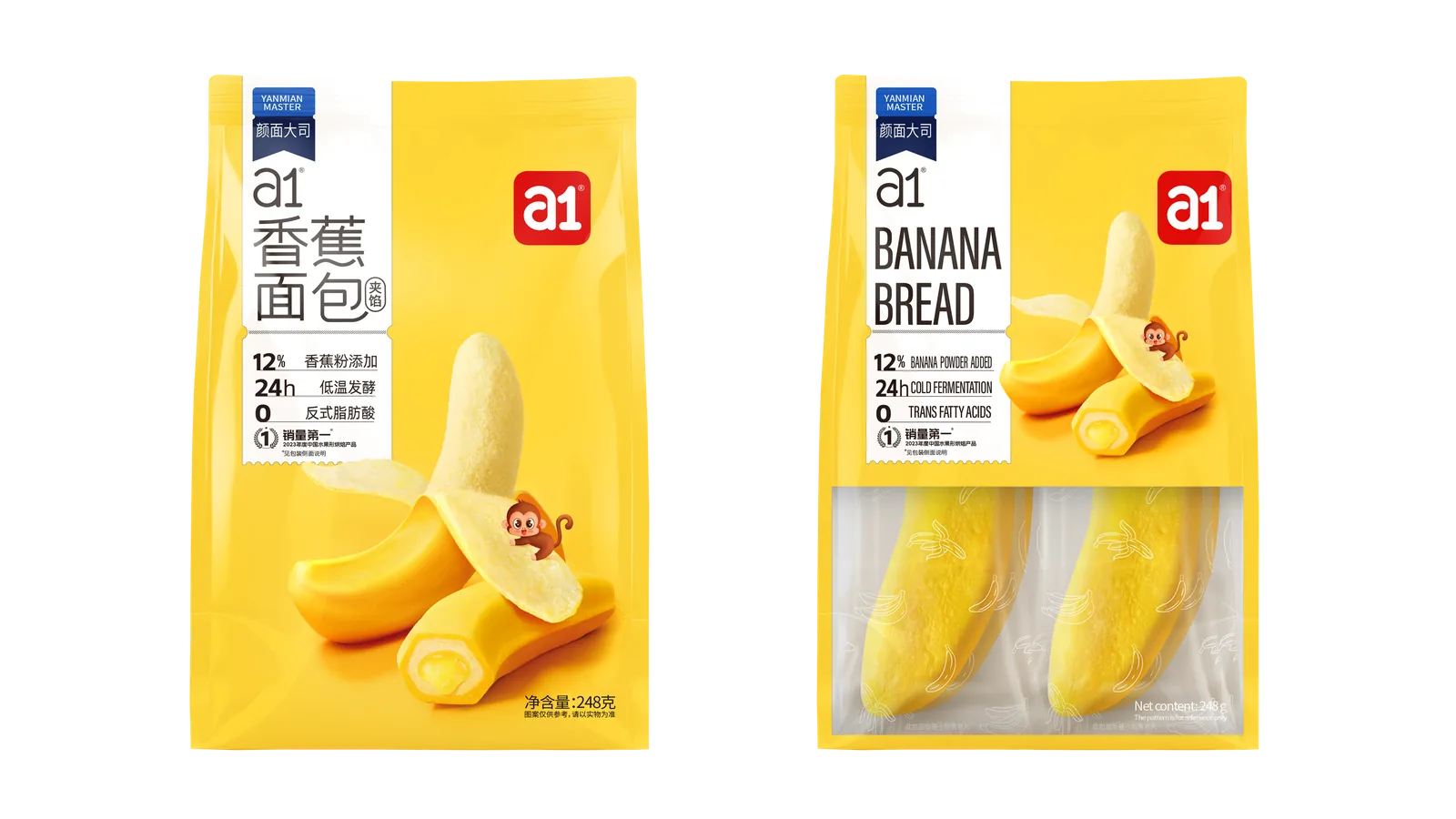
The detailed comparison lives in our bakery packaging guide: bag vs box vs gift carton, but the short version for seasonal programs is: a rigid gift carton protects the assortment and signals premium, while a lighter bag keeps the mixed-container freight low. Many distributors run a carton for the holiday gift box and a bag for the everyday repurchase SKU.
MOQ reality for a seasonal program
Seasonal programs live or die on lead time, not just price. A festive SKU needs to be in production 8–12 weeks before the peg date, which means the MOQ conversation happens earlier than buyers expect.
Our standard is MOQ from 500 cartons per SKU, 200-carton trial orders for new markets — enough to fill a festive program test without committing a full container. For a first seasonal collaboration, the a1 Stuffed Watermelon Toast is a strong anchor: a recognisable hero SKU that pairs with cookies and cake in one mixed 40HQ.
Eight-point pre-commit checklist
Before you lock a seasonal SKU, confirm eight things with your supplier: a certified food-safety system (BRC, HACCP, HALAL and an FDA-registered facility for the US lane), real production capacity for the holiday slot, documented shelf life per SKU, mixed-container loading numbers, artwork and language sign-off, allergen and labelling compliance per market, a written re-order window, and a sample-approval step. Our supplier scorecard for chain buyers breaks down exactly what evidence scores.

What a festive mixed 40HQ actually looks like
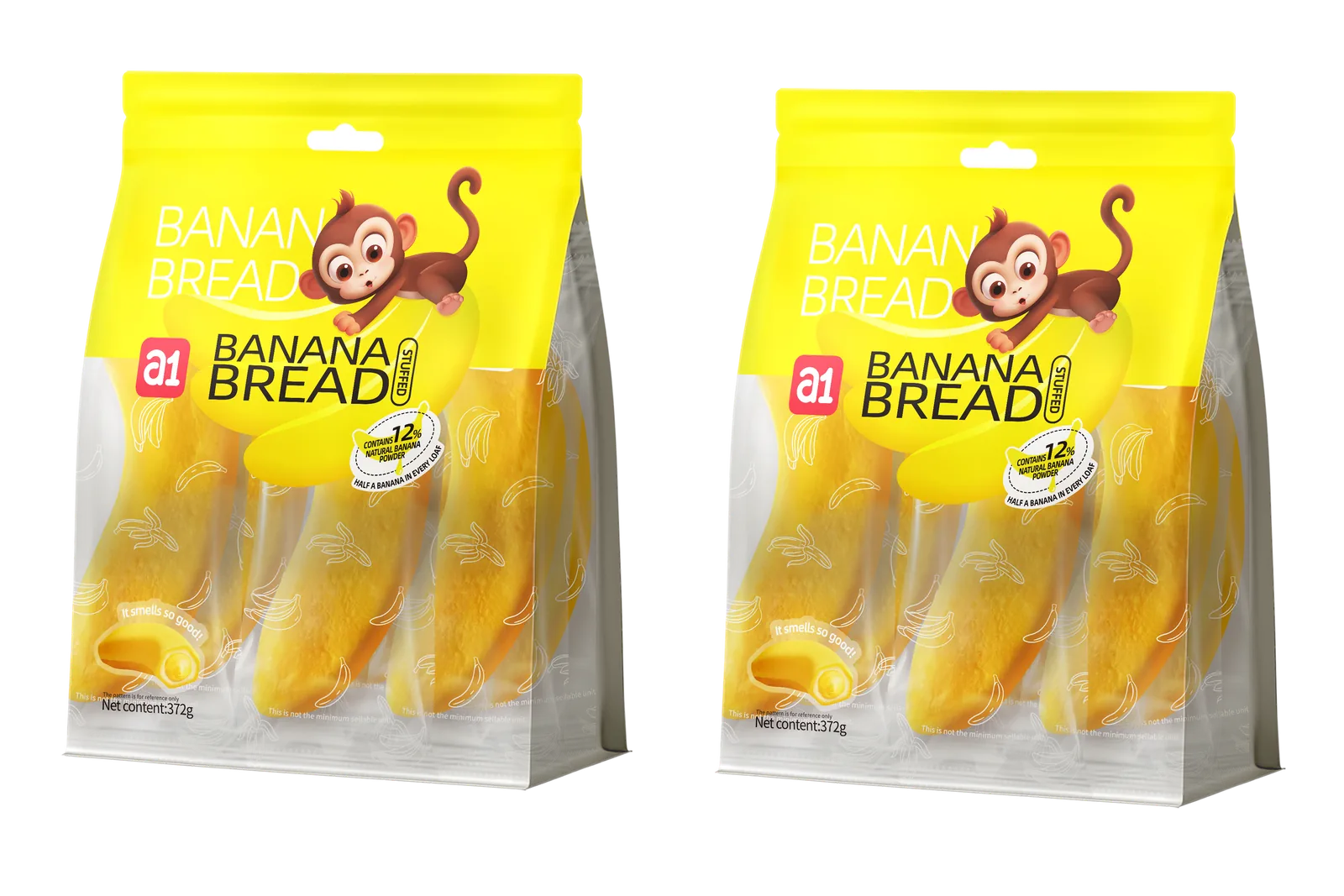
A realistic festive program is rarely one SKU. It is a balanced mixed container: a hero toast, a pudding cake centrepiece, and rice cake cookies as the long-shelf-life repeat driver. Spreading the mix across formats protects you if one peg underperforms, and lets a single 40HQ serve three or four holiday windows.
The exact carton counts depend on the format mix, but the principle is constant: lead with the hero, fill with the long-life repeat, and leave room for the next season's SKU in the same container plan.
Frequently asked questions
Can one gift box cover both gifting and everyday repurchase? Yes — design the assortment so the hero SKU has a standalone everyday version. The box drives trial; the everyday pack drives the second order.
How early should we plan a festive SKU? Eight to twelve weeks before the peg date, to clear production slots, artwork and mixed-container loading.
Which products suit long export routes? The nine-month rice cake cookie is the safest for extended ocean transit; six-month toast and cake suit nearer lanes or earlier shipment.
Start your festive program with a 200-carton trial
If you are scoping a holiday bakery program for your market, the fastest path is a 200-carton trial assortment built around a hero toast, a cake centrepiece and our long-life cookie. Talk to our export team — Katherine and the team will help you map the calendar, confirm shelf-life windows and assemble a compliant mixed 40HQ for your first festive season.