
If you sell confectionery into the Gulf, halal is not a sticker on the bag — it is a contract-level risk item. A distributor in Riyadh or Dubai who signs a listing agreement with you is staking shelf space, import licenses and their own reputation on your paperwork. That is why halal questions in Gulf negotiations go deeper than "Do you have a certificate?" This guide is written from the supplier side: the six checks Gulf distributors and import managers actually run before signing, the four halal schemes that decide where a certificate is valid, and exactly what our own confectionery line holds — so your QA team can verify instead of trust.
1. "Halal" is not one certificate: four schemes decide where you can sell
A logo without a scheme behind it is decoration. Halal certificates are issued under specific standards, and each importing region recognizes specific ones. The four systems that matter most for gummy importers:
| Scheme | Standard / legal base | Where it matters |
|---|---|---|
| BPJPH (Indonesia) | Law No. 33/2014 on Halal Product Assurance | Indonesia |
| GAC / GSO | Gulf technical regulations | Saudi Arabia, UAE, Kuwait, Qatar, Bahrain, Oman |
| MS 1500:2019 | Malaysian national standard | Malaysia, Singapore, Brunei and wider Southeast Asia |
| OIC-SMIIC | OIC/SMIIC standards series | Türkiye and EU-facing trade |
Before signing anything, ask which scheme your market’s import authority actually accepts. A certificate that clears a Jakarta import file may not satisfy a Riyadh one, and the reverse is equally true. Then ask the supplier to state in writing which scheme their certificate is issued under — and take the certificate number, so your QA department can verify it directly rather than rely on a scanned logo.
2. The six checks Gulf distributors run before signing
In our conversations with import managers across the GCC, the same six checks come up in almost every negotiation:
- Scheme recognition — does the issuing body’s scheme match what your import authority accepts?
- Certificate scope — is the certificate issued to the actual producing entity for the actual product, or to a different company somewhere in the group?
- Ingredient policy — any land-animal-derived ingredients, gelatin of unclear origin, or alcohol-based carriers in flavors?
- Production control — dedicated lines or shared lines, and what changeover and cleaning procedures apply between runs.
- Documents per shipment — certificate copies, COA and batch traceability attached to every shipment, not just the first one.
- Validity windows — a certificate that expires mid-season is a listing risk; check renewal dates against your contract term.
Two practical notes on who runs these checks. The import manager usually owns scheme recognition and validity windows; the QA department owns ingredient policy and production control; and the distributor’s own certifying body — or the local authority that endorses imports — may be asked to countersign the file. If you know which of the three reads your paperwork first, you can order the documents so the fastest objection is answered first.
3. What our confectionery line actually holds
a1 (Xiamen) Food Technology was founded in 2016 and exports to more than 40 markets, including Saudi Arabia and the UAE. Our halal certification is issued under the HCS scheme: certificate No. YWJX241129 for the confectionery entity and No. XDD241221 for the bakery entity, with BPJPH-recognized (Indonesia) documentation on file and available for your verification. Two production facts matter directly to halal buyers: our certified gummy production uses no land-animal-derived raw materials, and no alcohol or ethanol in processing.
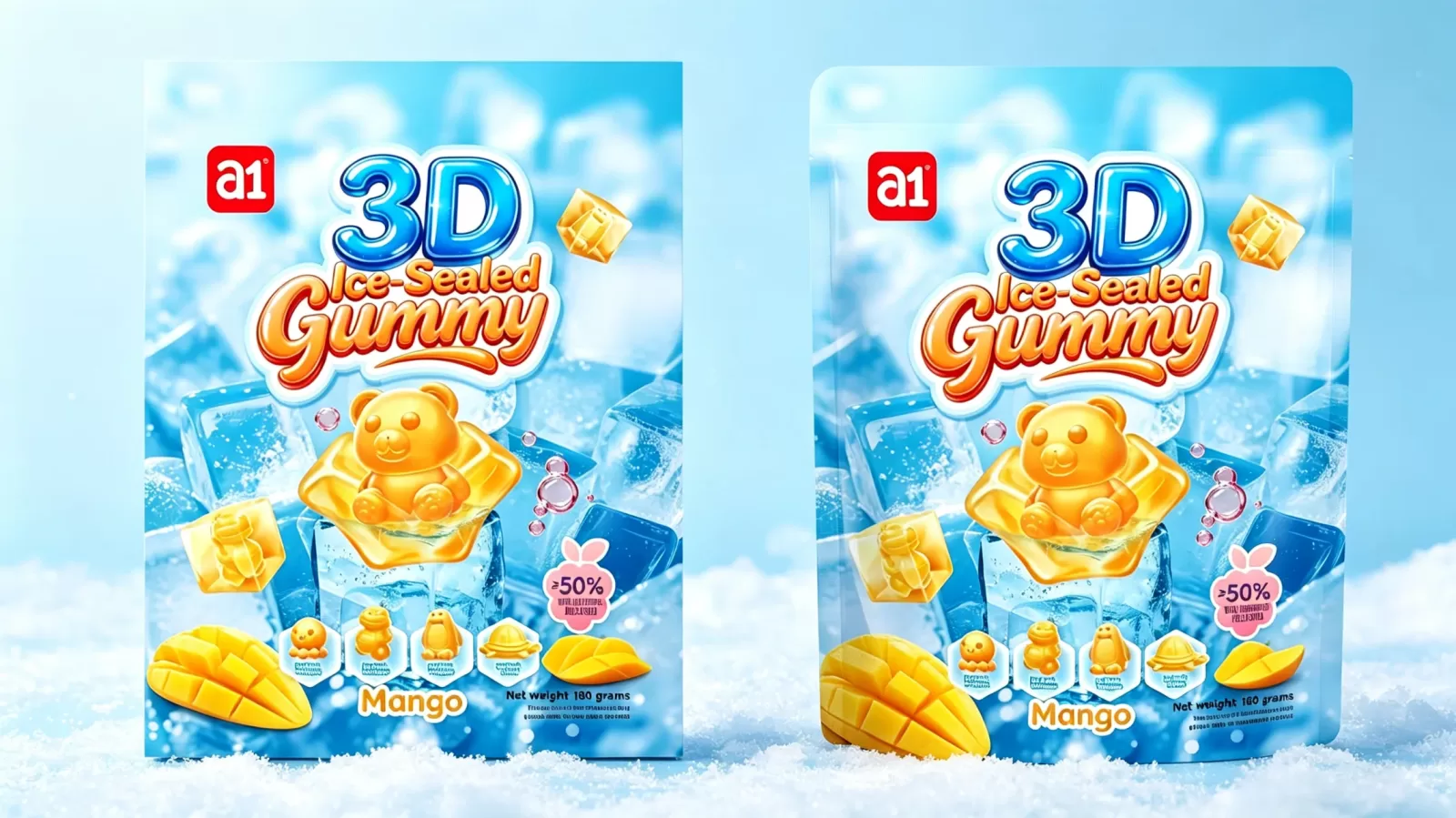
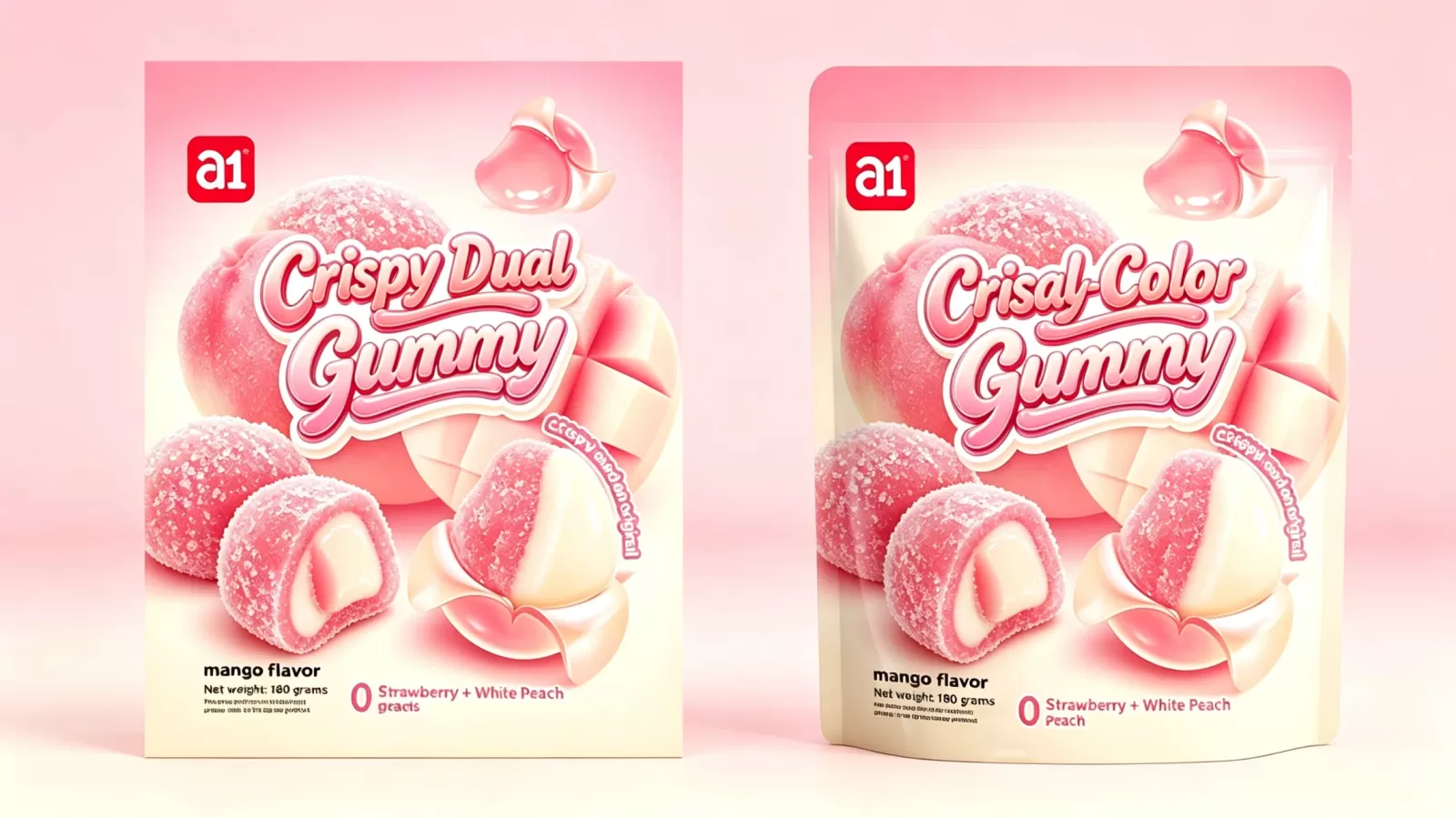
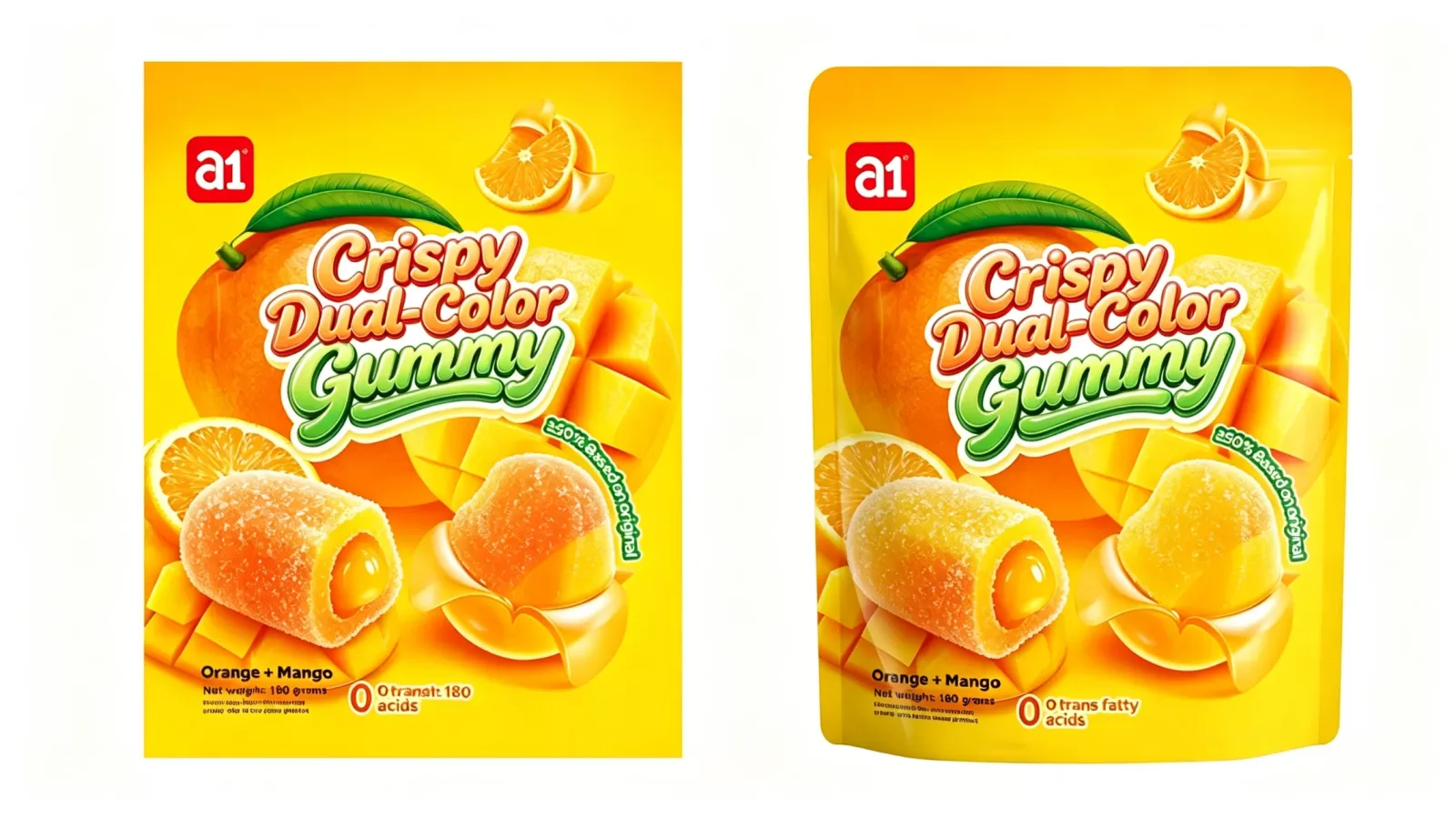
If you want a gelatin-free range as part of the halal story, our 4D Crispy Dual-Color Gummy is built on agar and pectin instead of gelatin by design — one bag, two flavors, a crispy shell over a soft core. The 3D Ice-Sealed Gummy line carries a 3D animal figure sealed inside each candy and is engineered to hold its shape through high-temperature transit.
4. Shared lines and changeovers: the question that kills deals late
One question separates professional halal sourcing from wishful thinking: what else runs on the line? A certificate covers products as produced under controlled conditions. If a non-certified product runs on the same line before yours without a validated changeover, your real risk lives in the production schedule, not in the certificate folder. Ask for the changeover and cleaning procedures, ask which SKUs share the line, and ask how segregation is maintained between runs. These procedures are part of the FSSC 22000 and BRC documentation set you will audit anyway — a supplier who hesitates to show them is telling you something.

5. Halal is a door opener, not a quality certificate
Halal compliance gets you into the conversation with Gulf retail chains; it does not replace the quality system their QA departments audit. Alongside halal, our lines hold FSSC 22000, BRC, HACCP and BSCI certification, every batch ships with a COA issued from our CNAS-accredited in-house laboratory, and the full range is batch-traceable. For functional gummy concepts — collagen, GABA, vitamin C, lutein with DHA, zinc, calcium — final on-pack claims follow the regulations of each target market, which in the Gulf includes the local authority’s rules on what a food label may say.
6. First-order practicalities for Gulf buyers
- Range — 19 confectionery SKUs across four series (novelty, sour & filled, zero sugar, functional), in stand-up pouches from 40 g to 200 g; pouch weights can be adjusted to your price point.
- Shelf life — 12 months ambient across the confectionery line, enough for GCC import, distribution and slow-turning shelves.
- Heat — the 3D Ice-Sealed line is engineered for high-temperature transit, a real difference for summer containers arriving in the Gulf.
- MOQ — MOQ from 500 cartons per SKU, with 200-carton trial orders for new markets, so validating a channel does not require a warehouse.
One more Gulf-specific point: Arabic labeling. Retail chains in Saudi Arabia and the UAE require Arabic label content alongside English, and the artwork stage is where that gets decided — adding it after production is expensive. Bilingual artwork support is part of our standard export process, and for functional concepts the Arabic label text is reviewed against local claim rules before printing.
7. How to start: the four-step path we run with distributors
- Send your brief — target market, target channel, product concept and target pouch weight.
- Receive samples and the certificate pack — halal, FSSC 22000, BRC, HACCP and BSCI certificates, plus recent COAs, so your certifying body and QA team can verify everything independently.
- Confirm scheme fit in writing — we confirm which halal scheme and documents apply to your market before you commit.
- Place the first order — and use the trial-order window to test the channel before scaling.
Two of our earlier guides answer the questions Gulf buyers usually ask next: pectin versus gelatin, and which markets buy which, and why peelable, sour sanded and dual-color textures drive repeat purchase. If you are building a halal program and want a supplier whose paperwork survives your QA department, write to Katherine at Justin@a1food.cn or WhatsApp +86-189-6548-2111.