
Ramadan reshapes the Gulf's packaged-food calendar more than any other event on the retail year. For a bakery distributor, the difference between a sold-out Eid display and a missed window is almost always decided months before the first fasting day.
For distributors and importers serving Saudi Arabia, the UAE and the wider Gulf, the question is never "is there demand for bakery during Ramadan" — it is "did my shelf-stable range arrive with enough life left to win the planogram." This guide walks procurement leads through the buying calendar Gulf buyers run, the categories that spike, and why shelf life and Halal certification — not price alone — decide which supplier makes the cut.
Why the Gulf bakery calendar is not like the West
In most Western markets, bakery buying is a steady, weekly-replenishment rhythm. The Gulf runs on a different clock. The weeks before Ramadan and the Eid al-Fitr holiday concentrate a year's worth of gifting, hosting and impulse bakery purchases into a short, predictable window. Retail buyers build promotions, gift packs and in-store displays around it, and the assortment is locked well before the month begins.
Two structural facts drive the calendar. First, Ramadan shifts roughly 10 to 11 days earlier in the Gregorian calendar every year, so the planning window moves with it — a 2027 program cannot reuse a 2026 timeline. Second, the exact start is confirmed by moon sighting, which means buyers build in buffer rather than bet on a single date.
The Ramadan and Eid demand curve
The spike is not a single day. It is a curve with a clear shape:
- Pre-Ramadan (4–6 weeks before): stock-up on everyday bakery — toast, loaf cakes, filled cakes — as households build pantry reserves and gifting packs appear in stores.
- During Ramadan: evening (iftar) and suhoor occasions lift demand for individually wrapped, shelf-stable snacking and sharing formats. Convenience and impulse channels see the sharpest lift.
- Eid al-Fitr (the three-day holiday): the peak gifting window — premium packs, assorted boxes and gift-ready formats dominate.
- Eid al-Adha (later in the year): a second, smaller bakery gifting spike that many distributors plan as a follow-on program.
A stocking calendar distributors actually use
Mapping the buying decision to lead time keeps the plan realistic:
- 5–6 months before: confirm the assortment, certifications (Halal first), packaging language and any gift-pack formats with your supplier. Lock the production slot.
- 3–4 months before: place the main container order. This is the window that protects against both ocean transit (commonly 25–40 days from Asia to the Gulf) and the documentation queue.
- 6–8 weeks before: expect the goods to land, clear customs and move to the DC. Track remaining shelf life at arrival, not at departure.
- 2–3 weeks before: in-store display and promotion build; hold safety stock for the iftar and Eid peak.
Why shelf life decides what you can ship
This is where many first-time Gulf importers lose the bid. Gulf retail and modern-trade buyers routinely apply a "remaining shelf life at delivery" rule — often requiring a large share of the total shelf life to remain when the product reaches the DC. On a 6–9 month ambient bakery program, that rule is survivable; on a short-life product it is fatal.
Our ambient bakery line is specified for 6 to 9 months at room temperature — toast, filled cakes and loaf cakes at six months, and certain biscuit and cookie formats up to nine. That headroom is what lets a container ordered three months ahead still land with comfortable remaining life for a Ramadan or Eid program. We cover the full picture in our guide to why six-month shelf life wins overseas supermarket bids.
What Gulf buyers stock — and the Halal gate
Beyond the calendar, the assortment itself has a hard filter: Halal. Every bakery SKU destined for the Gulf must carry recognized Halal certification, and the certification body has to be accepted in the destination market. This is not a nice-to-have — it is the gate that decides whether the product can enter the planogram at all.
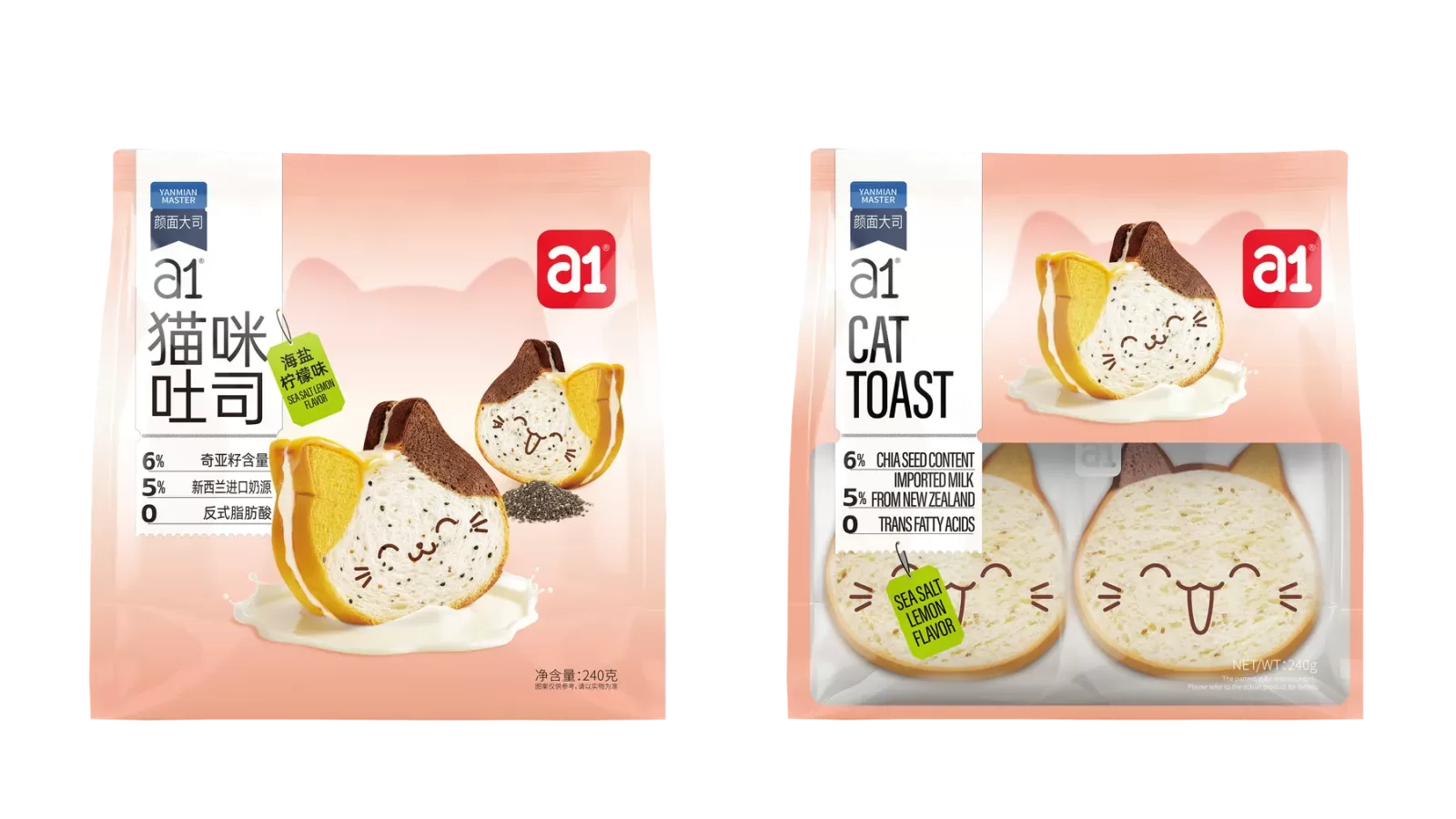
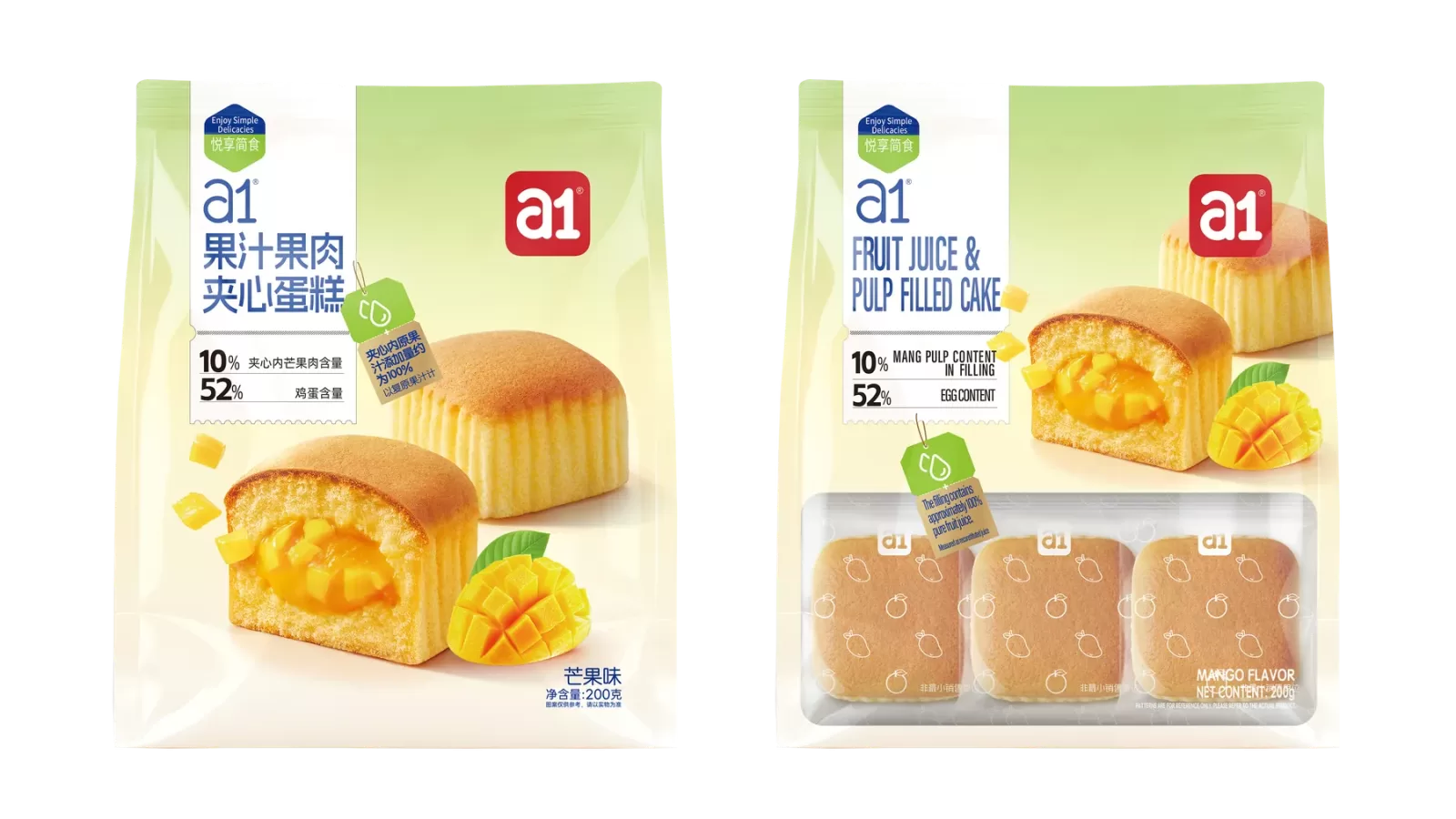
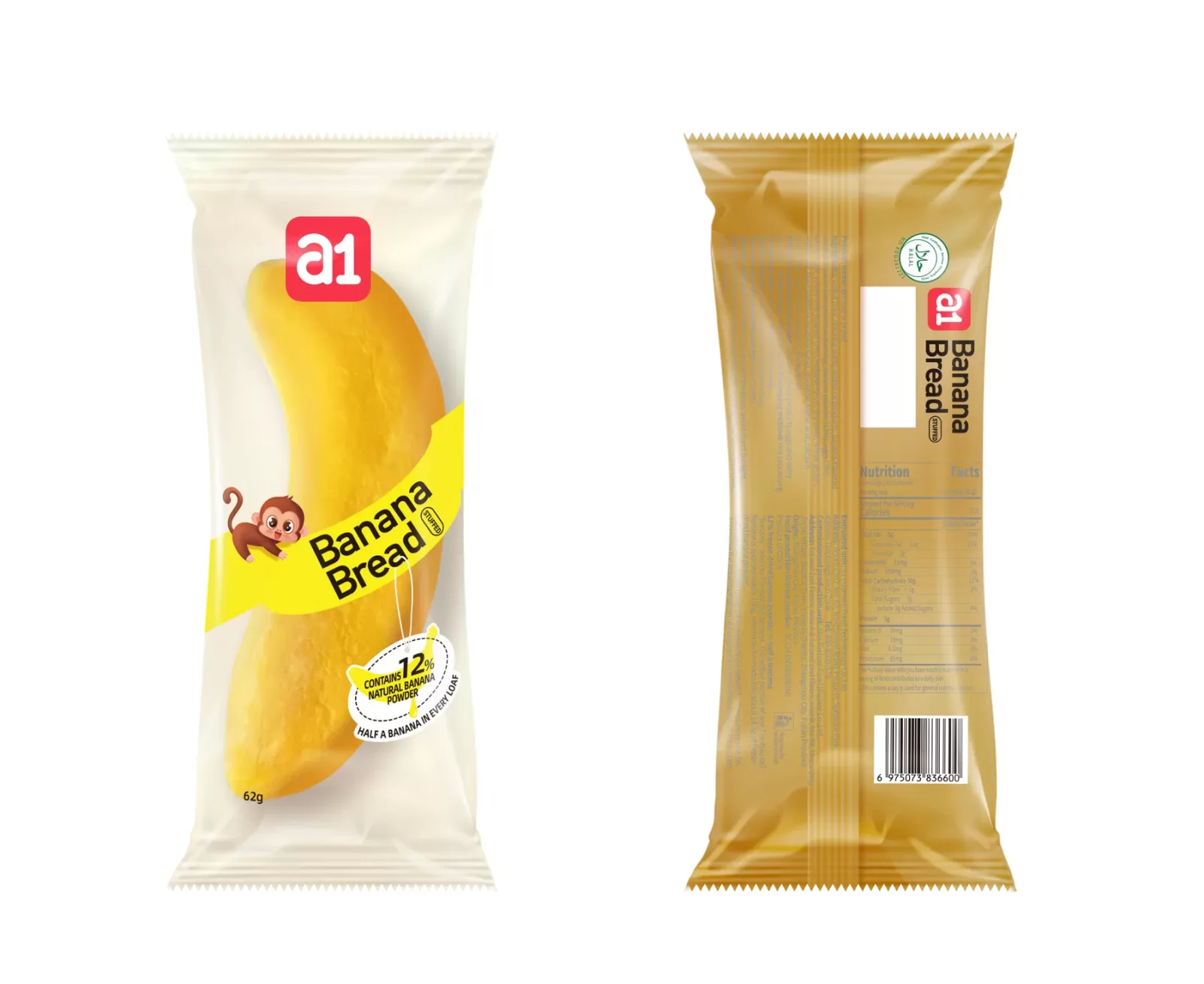
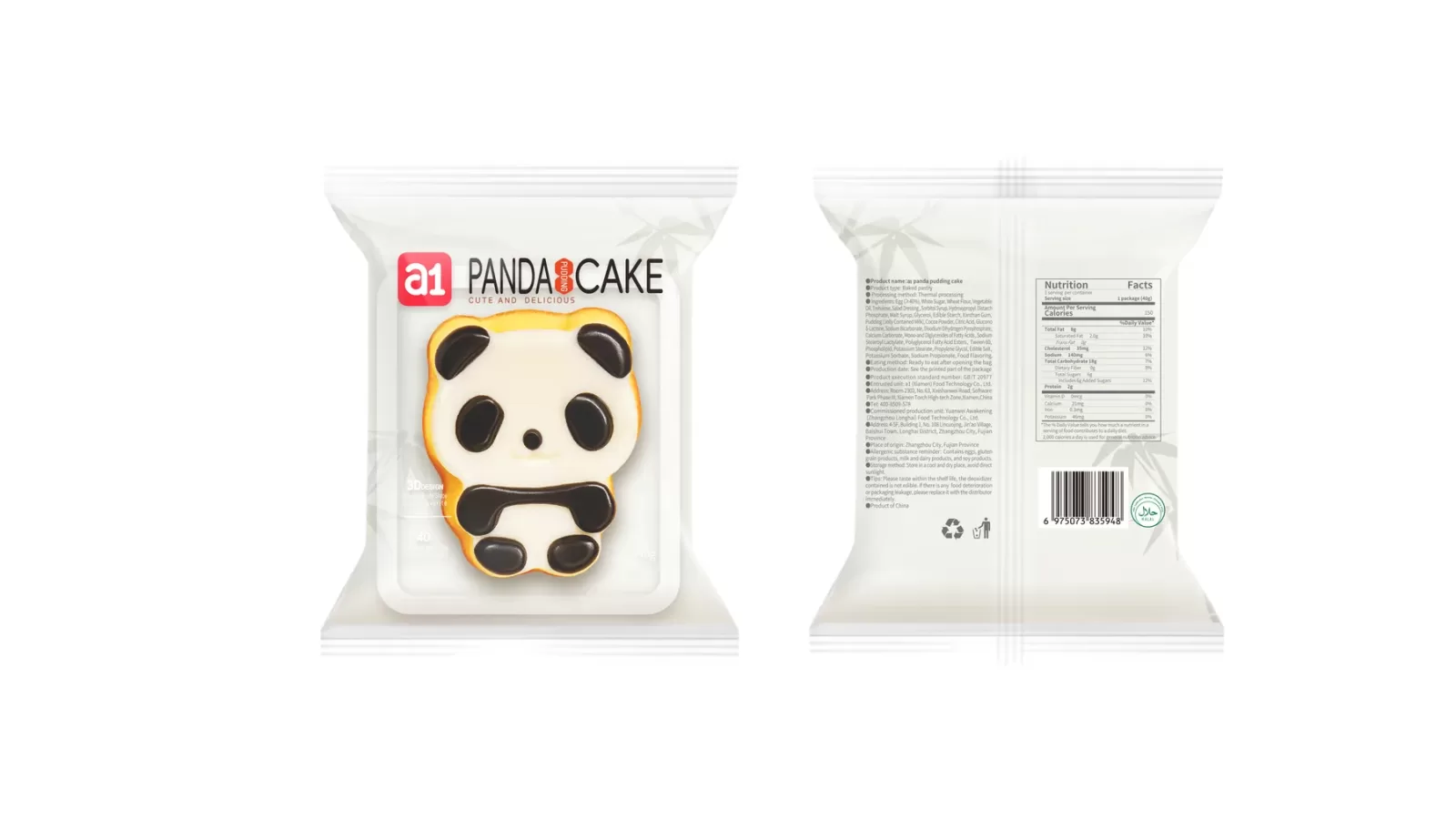
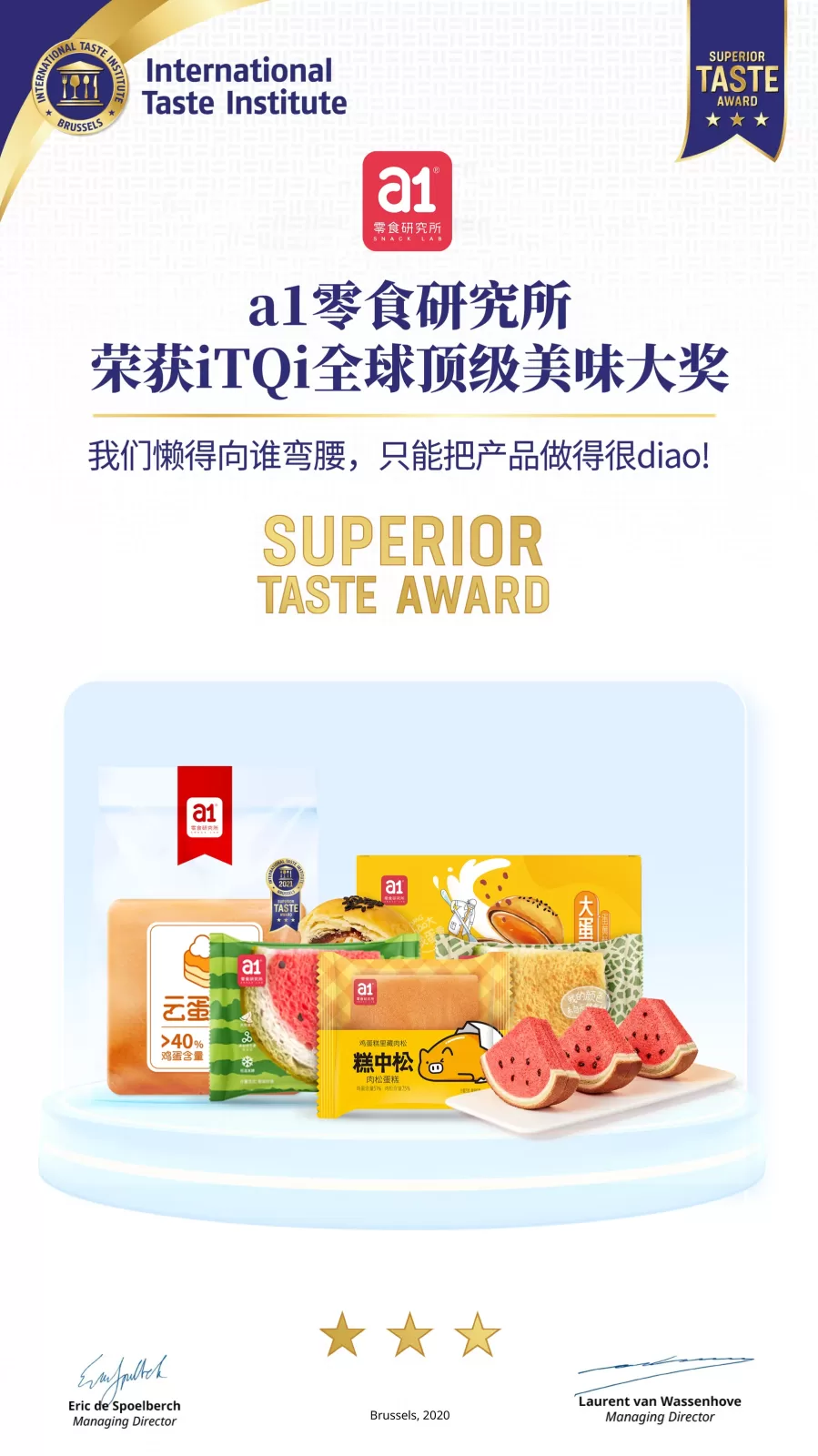
The categories that move best through that gate are familiar, shareable formats: toast and loaf cakes for daily and iftar tables, individually wrapped filled cakes for gifting and impulse, and biscuits and cookies for the Eid gift assortment. Our own line covers toast, mango and banana bread, panda and cat-shape pudding cakes, and crisp cookies — all under FSSC22000, BRC, HACCP and Halal systems, with a CNAS-recognized in-house lab and a COA on every batch. For the audit-ready side of this, see our bakery certifications checklist.
A pre-season order checklist
Before you commit a Ramadan or Eid bakery program, walk through these eight points with your supplier:
- Which categories fit your Eid gift pack and everyday assortment — toast, filled cake, cookie?
- Is Halal certification in place, and is the certifying body accepted in your market?
- What is the remaining shelf-life requirement at delivery, and does the product clear it after transit?
- Which packaging language and any gift-pack format does the market need?
- What is the production lead time, and is the slot reserved before the 3–4 month window?
- Does the DC need Halal, BRC or HACCP documentation on file before arrival?
- What is the trial order path for a new market before a full container?
- What is the launch window, and have you built buffer for moon-sighting date shifts?
Answering these early is what separates a smooth Eid program from a container stuck at the border.

MOQ, mixed containers and lead time
Gulf distributors rarely want a full container of one SKU for a seasonal program — they want a balanced mix. Our standard MOQ is from 500 cartons per SKU, with 200-carton trial orders available for new markets, which lets a Ramadan or Eid assortment combine several toast, cake and cookie SKUs in one mixed shipment rather than committing a full line to a single item.
If you are building a 2027 Gulf program, the fastest path is to share your target market and the categories you want to test. We will confirm certification and documentation fit, outline production and transit lead time, and scope a compliant mixed order.
Two related reads before you brief your team: our breakdown of six-month shelf-life bakery for supermarket bids, and the practical bakery certifications checklist Gulf buyers verify. And to see the range behind these programs, explore the a1 Mango Bread and the a1 Rice Cake Cookie.
Frequently asked questions
Do you supply Halal bakery for the Gulf? Yes — our bakery lines carry Halal certification, and we align the certifying body to the destination market so the product clears the planogram gate.
What shelf life can I plan a Ramadan program around? The ambient bakery line is specified for 6 to 9 months at room temperature, which supports the 25–40 day ocean route plus retail lead time and a healthy remaining-life margin at delivery.
Can I mix SKUs in one container for Eid? Yes. The standard MOQ is from 500 cartons per SKU with 200-carton trial orders for new markets, so a seasonal assortment can combine several toast, cake and cookie SKUs in a mixed shipment.
How early should I place the order? For a clean Ramadan or Eid program, confirm the assortment and lock the production slot 5–6 months ahead, and place the main container 3–4 months ahead — that protects against transit and the documentation queue.
Ready to scope your 2027 Gulf bakery program? Contact our team — tell us your market and the categories you want to test, and we will outline a compliant, shelf-life-safe plan.