
Two quotations land in your inbox. One says "FOB Xiamen". The other says "DDP to your warehouse". The gap between them could be margin, freight, or risk you have not noticed yet.
Trade terms are one of the few places in a first bakery order where a buyer can lose money without anything going wrong with the product. The goal is not the lowest line on the quote — it is matching the term to how much of the shipping chain you want to own, and can run.
Your first question is probably the wrong one
Most first-time buyers ask "which term is cheapest?" That has no stable answer: the cheapest term for one importer is the most expensive for another. FOB is cheapest if you already have a forwarder and a customs broker; it is expensive if you do not, because you will buy freight at retail instead of the wholesale rates a supplier with volume can reach.
Incoterms — the delivery rules published by the International Chamber of Commerce — do exactly two things: they fix where cost transfers and where risk transfers from seller to buyer. They say nothing about the price of the goods.
What FOB, CIF and DDP actually decide
This is the one table worth memorising.
| Term | Cost transfers | Risk transfers | Who books freight |
|---|---|---|---|
| FOB | On board at origin port | Same moment — on board at origin | Buyer |
| CIF | Seller pays freight + insurance to destination port | Still on board at origin — not at destination | Seller |
| DDP | Seller pays all to buyer's named address | At the buyer's door, duty paid | Seller |
That CIF row trips up most new buyers. Under CIF the seller arranges and pays the ocean freight and insurance, so it feels like the seller carries the risk to your port. It does not. Risk passes to you the moment the container is loaded at origin. If the vessel is delayed, or condensation ruins a pallet, that is your claim to make — through a policy the seller arranged but that pays you.
FOB: you control the freight — and the risk comes sooner
FOB (Free On Board) is the default in most Chinese factory quotations, and for a buyer with an established forwarder it is usually the most cost-efficient. You choose the carrier, see the actual freight invoice, and can consolidate the shipment with other cargo. Because you own the goods once loaded, you also choose your own marine insurance — written in your language, paid in your currency, covering the risks your route demands.
The catch is the paperwork. Under FOB you clear the goods yourself at destination: import licence, customs entry, duty and tax, and the inland leg. If any link is missing, a "cheaper" FOB quote can become a stranded container with demurrage, erasing the saving within days.
CIF: freight included, but the risk still moves at loading
CIF (Cost, Insurance and Freight) moves the booking to the seller while leaving the risk, and the destination-side cost, with you. It is a reasonable middle ground when you are new to importing and would rather not build your own freight relationship yet.
Two details decide whether a CIF quote is value or a trap. Ask what the insurance actually covers — minimum ICC(C) satisfies the rule but leaves out a lot, and bakery on a tropical route usually wants broader cover. And confirm that "freight included" means to your destination port, not a transhipment hub, and whether terminal handling and destination charges are included — they often are not.
DDP: door delivery, duty paid
DDP (Delivered Duty Paid) is the simplest term on paper: the container arrives at your address with duty already settled. For a first order, or a market where you have no importer of record, it removes a layer of friction and risk from your side.
The trade-off is cost. DDP is also the most demanding term for a supplier, because it requires clearing customs in your country — something not every factory can do lawfully and well. If a quotation offers DDP at a number close to FOB, be suspicious.
Why bakery changes the math: the shelf-life clock
A shelf-stable bakery SKU leaves the line with a defined shelf life — typically six months for our cakes and breads, nine months for the cookie line — and that clock keeps running while the container is at sea. A slow or badly routed shipment does not just cost freight; it consumes saleable days on every carton.
That is why, for a first order on a long route, the term and the route should be decided together. A slightly higher all-in cost on a faster sailing can be worth more at the shelf than the cheapest FOB rate on a slow transhipment service. If you are weighing filled products against tropical humidity, our comparison of juice- and cream-filled cakes across tropical routes covers the failure modes worth designing around: https://en.a1food.cn/juice-filled-vs-cream-filled-cakes-tropical-routes.html.
Which term fits which buyer
There is no single right answer, only a right fit for your situation.
- You have a forwarder and a broker, and import regularly. FOB usually gives the lowest delivered cost and the tightest control; you handle destination clearance and inland transport.
- You are new to importing but have a reliable broker. CIF is a fair middle ground: the supplier runs the ocean leg, you keep the destination side. Insist on understanding the insurance scope.
- You have no import entity, or want a single delivered number. DDP is worth the premium for a first order or a test market — but verify the supplier has cleared customs in your country before.
- You are consolidating this shipment with other cargo. FOB lets you add the bakery container to your own consolidation, where the real saving often lives.
Whatever you choose, settle these points in writing before the proforma invoice: the exact named place (which port, which warehouse), who insures and to what standard, who pays destination terminal charges, which documents the seller provides (commercial invoice, packing list, bill of lading, certificate of origin, health and halal certificates, COA per batch), and the payment schedule tied to those documents.
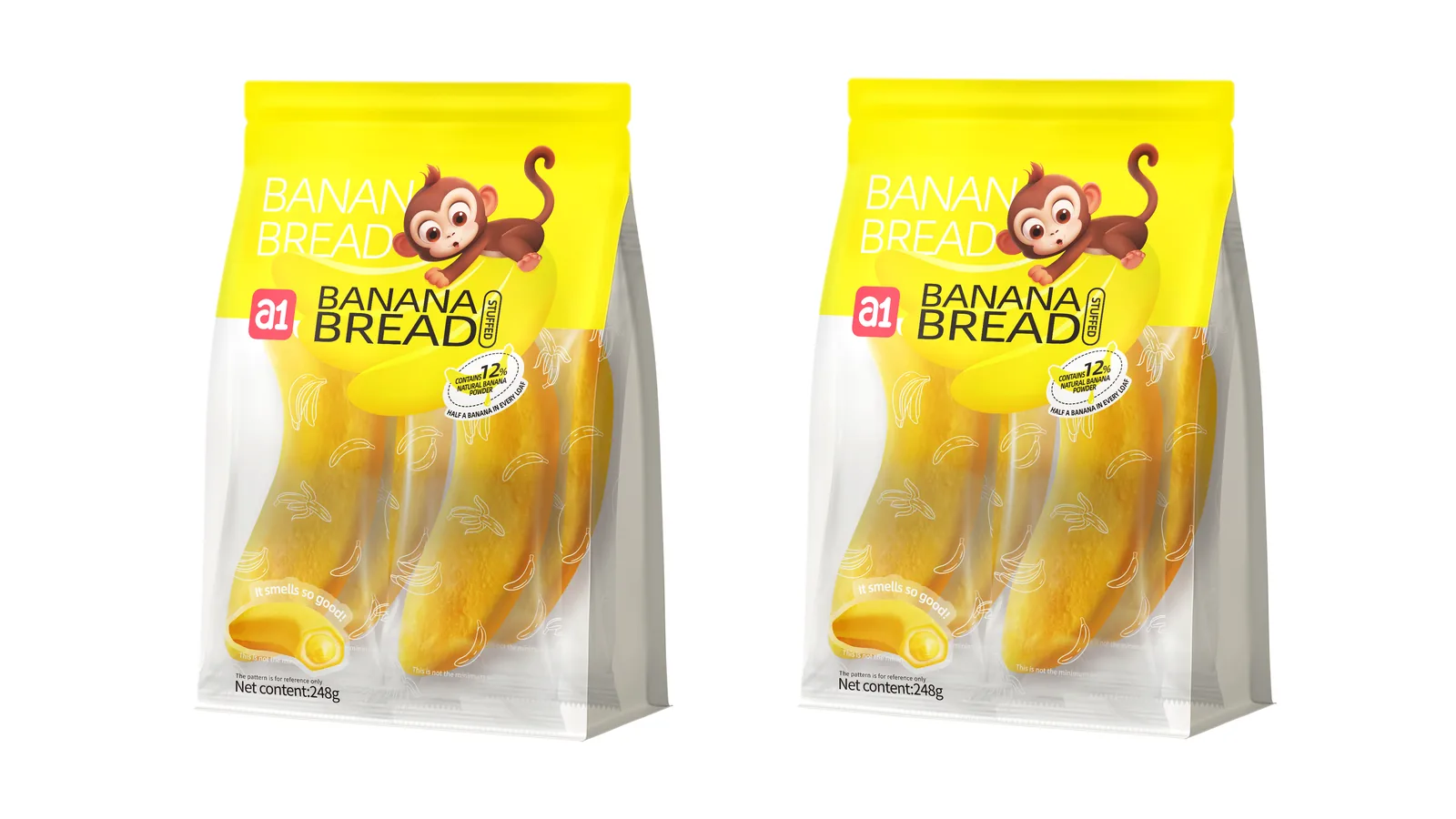
On the product side, our bakery range ships against the same documentation standard on every order, with a CNAS-accredited in-house lab and a COA per batch. Two examples that travel well: the https://en.a1food.cn/product_details.html?id=14 and the https://en.a1food.cn/product_details.html?id=6. For the certification picture that chain buyers verify — BRC, HACCP and halal — see our bakery certifications checklist: https://en.a1food.cn/bakery-certifications-checklist-brc-haccp-halal.html. And if you are still setting the commercial frame, our guide to importing bakery from China (https://en.a1food.cn/how-to-import-stuffed-toast-from-china-moq-40hq-checklist.html) walks through MOQ, container loading and the first-order checklist.
Frequently asked, and answered
Is FOB always cheaper than CIF? No. FOB is cheaper when you can buy freight well; it can cost more than a supplier's CIF rate when the supplier moves enough volume to negotiate lower ocean rates.
Does DDP transfer food-safety compliance to the supplier? No. It means the supplier handles the customs and duty mechanics of delivery. Your obligations as the seller in your market — labelling and any registration your market requires — remain yours. Registration status is separate from the delivery term: our facilities are registered as FDA-registered food facilities where applicable, and final label and claim wording always follows the regulations of each target market.
Next step
Pick the term that matches the chain you want to own, confirm the named place and documents in writing, and compare quotations on delivered cost, not headline price. For a side-by-side FOB, CIF and DDP comparison for your market and route, send us your destination port, target volume and product mix. Our MOQ is from 500 cartons per SKU, with 200-carton trial orders for new markets, and our team will walk you through the documentation for your first order.
Contact: Katherine and Justin, a1 (Xiamen) Food Technology Co., Ltd. — Justin@a1food.cn | WhatsApp +86-189-6548-2111 | en.a1food.cn