
A supermarket bakery bid rarely turns on which cake tastes better. It turns on a number on the specification sheet — and that number is usually shelf life.
When a chain buyer opens a tender for ambient bakery, the commercial terms are only half the document. The other half is technical: what the product is, how it travels, and how long it stays saleable after it lands. For baked goods crossing an ocean, that last line decides whether you can bid at all.
Six months is the working benchmark across most of our breads and filled cakes, and nine months for the rice-cake cookies. Here is what that figure actually buys a distributor — and what it does not.
Why shelf life decides the bid, not the flavour
Retailers are reluctant to accept goods arriving with most of their life spent. The governing clause is usually written as a minimum remaining shelf life on delivery — commonly two-thirds of the total, and tighter for own-brand programmes. The arithmetic is unforgiving: ocean transit from Asia to Europe or the Gulf typically runs 25 to 40 days door to door, before the container even reaches a distribution centre.
A product with a 90-day life cannot survive that corridor at all. A six-month product can: shipped fresh, roughly four months remain at the port, and the retailer still holds a window that clears the two-thirds rule. The gap between 90 and 180 days is the gap between a rejected bid and a repeat order. Shelf life is not a quality claim; it is logistics headroom.

What "six months" means — and what it does not
Six months at ambient is a controlled statement. It assumes storage within a defined temperature and humidity band, inside the sealed retail pack, and a best-before rather than a use-by date. It is supported by a stability programme, not asserted on a spec sheet. The current bakery range, format by format:
| Format | Typical net weight | Stated ambient shelf life |
|---|---|---|
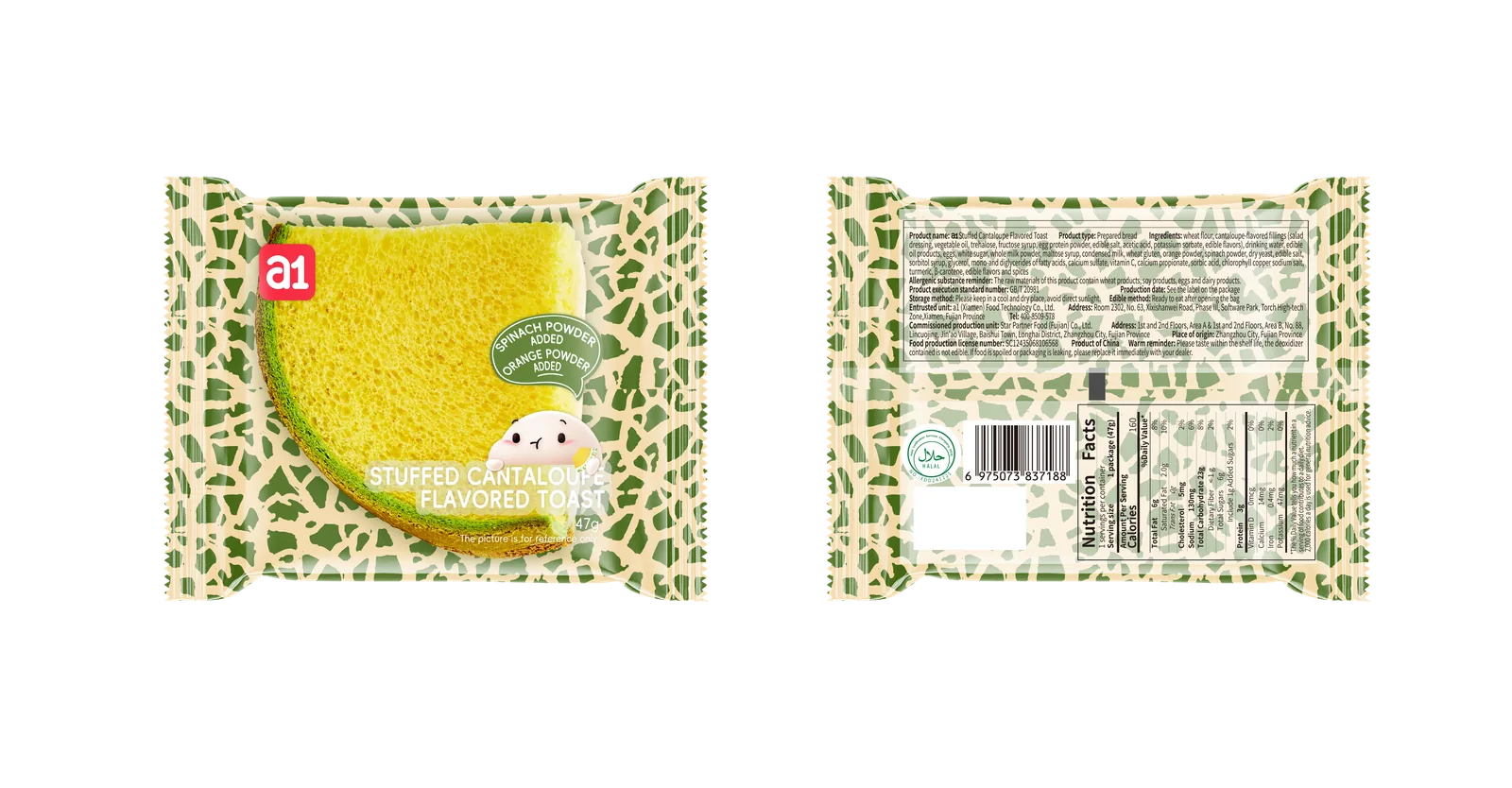
| Stuffed toast (watermelon / melon flavour) | 188 g, 4 slices | 6 months |
| Banana bread | 248 g and 372 g | 6 months |
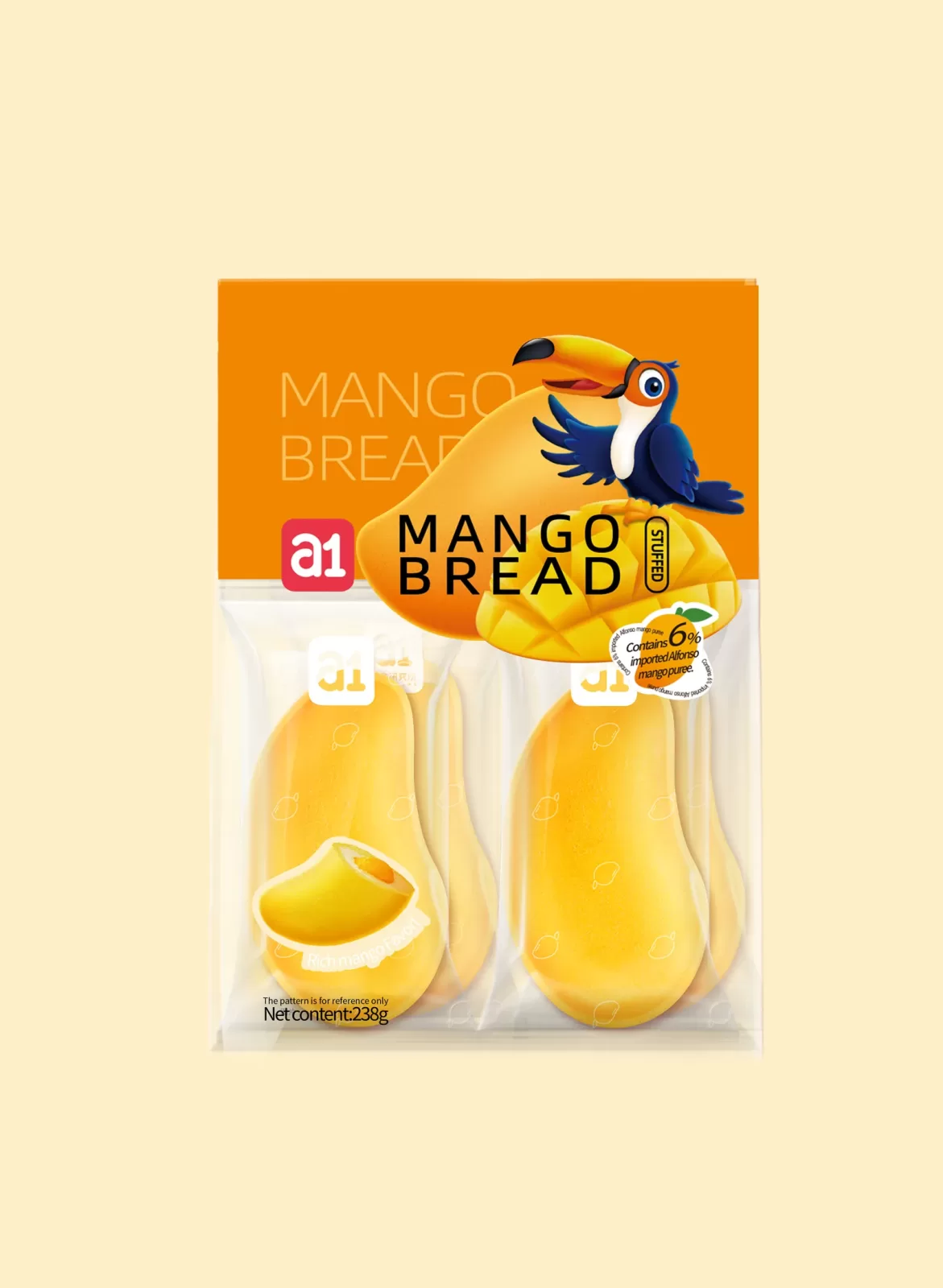
| Mango bread | 238 g | 6 months |
| Panda pudding cake | 240 g | 6 months |
| Cat paw pudding cake | 200 g | 6 months |
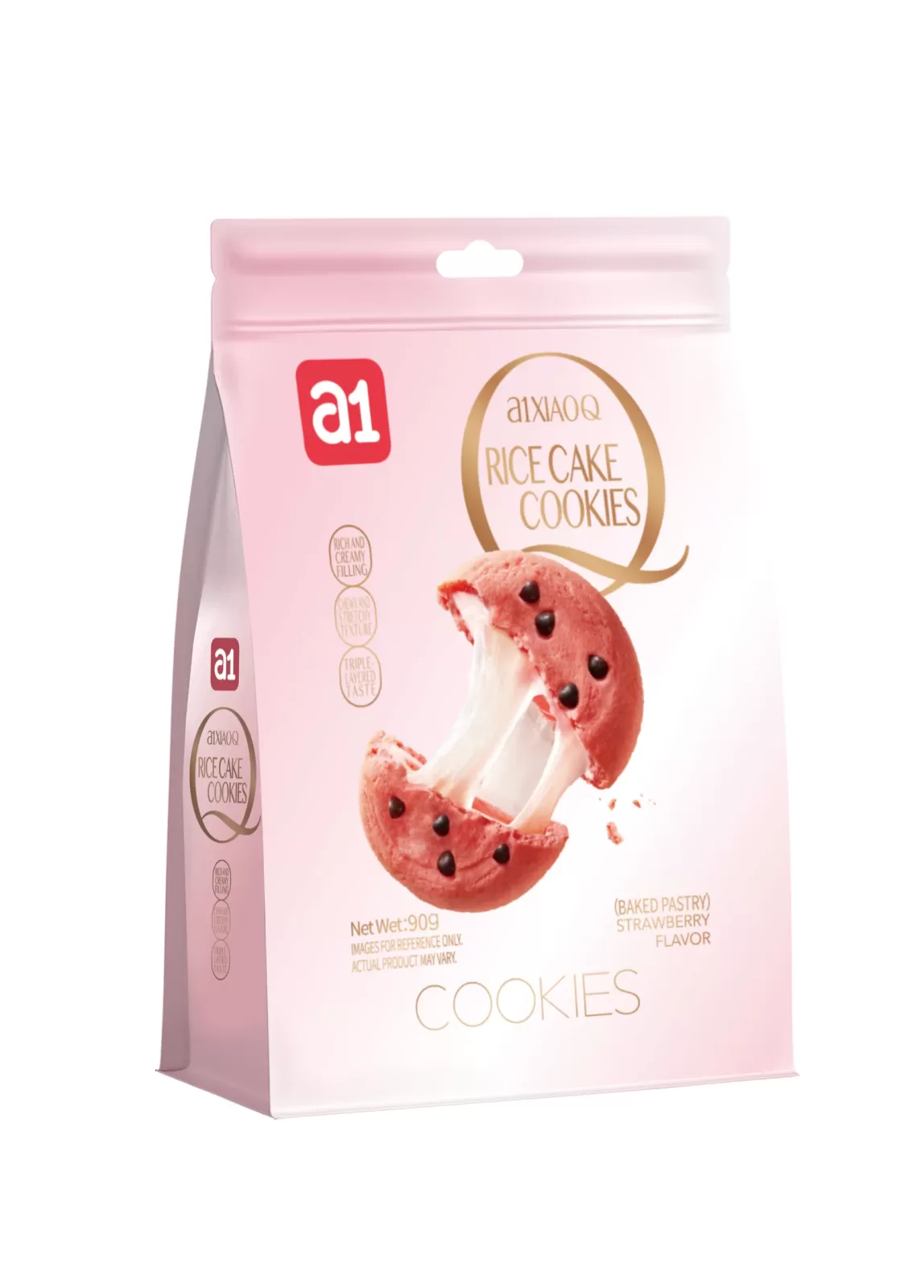
| Rice cake cookie (chocolate / strawberry) | 90 g | 9 months |
Two products make it concrete: the Mango Bread for a six-month bread and the rice-cake cookie for a longer-life format. A longer life is not a licence to store badly: a six-month product kept in an unventilated container through a Gulf summer will fail sooner than the pack claims, which is why the storage condition belongs in the specification and in the tender.
The four variables that decide how long a bakery item keeps
Shelf life is the output of four systems, and a buyer who understands them asks sharper questions:
- Water activity and moisture migration. In filled products, filling and sponge want to equalise over time. Managing water activity on both sides keeps a filled toast or cake soft without a soggy crust or a dried filling — the same dynamic behind our juice vs cream study.
- Packaging barrier. Oxygen stales fat and dulls flavour. Film structure, plus a nitrogen flush or oxygen absorber where it makes sense, is a shelf-life decision as much as any ingredient.
- Preservation system. Humectants, pH and — where permitted — preservatives hold the microbiological line. What is allowed is a market-by-market question, and every on-pack claim is finalised against the regulations of the target market.
- Process and seal integrity. Bake profile, cooling before packing, and a seal that holds. A perfect recipe in a compromised seal has a shelf life measured in days.
That is why near-identical ingredient lists can carry very different dates. Change the film or the water activity, and the number moves.
How to tell a validated shelf life from a claimed one
Any supplier can print a date. The question for a bid is whether the number is supported. Ask for two things: a real-time stability study, with product held at the stated ambient condition and tested at intervals for microbiology, texture, moisture and sensory quality; and an accelerated study at elevated temperature, as an early indicator rather than a substitute for real-time data.
A credible supplier will also describe how the product fails when it fails, and where the realistic in-market window sits after a long route — precisely what a chain's technical team will ask you. It is where our certifications checklist and batch documentation earn their keep: every batch ships with a certificate of analysis and full traceability, so your quality file is evidence rather than assertion.
The shelf-life clauses a supermarket tender actually contains
Tenders differ, but technical annexes converge on the same clauses. Before you price a bid, get written answers to these eight:
- Minimum remaining shelf life on delivery, and again at the DC — as a share of total life.
- Maximum permitted age of the goods at loading.
- Storage and transport conditions: temperature band, ventilation, stacking.
- Date format and language required on pack, per market.
- Rejection and return terms if goods arrive short of the shelf-life clause.
- Whether a stability report or specification sheet must be filed with the tender.
- Whether mixed pallets or containers are allowed — which changes order build.
- The delivery window, and the lead time the retailer plans around.
Any unanswered line is unpriced risk — and unpriced risk turns a won tender into a losing order.
Where shelf life protects margin
Longer life shows up on the P&L in four places. Fewer containers fail the receiving check, so fewer are rejected or discounted. Less product sits in the final third of its life, so markdown and shrink fall. Consolidated and mixed loads become viable, because the slowest item no longer sets the deadline. And buffer stock can be held without racing the clock — about how much of each shipment reaches full value, not about price.
Matching format to channel
| Channel | What they ask for | Format that fits |
|---|---|---|
| Convenience / forecourt | Fast turnover, single serve, robust pack | Single-serve stuffed toast, 188 g |
| Supermarket | Family pack, shelf presence, longer dwell | Family bread 248–372 g; filled cakes |
| Discounter | Long life, low rotation, value pack | Six-month bread and filled cakes |
| Wholesale / cash-and-carry | Ambient storage, bulk, long life | Bread and cookies in case packs |
Frequently asked
Can shelf life be extended beyond six months? Sometimes. Our rice-cake cookies already run to nine months. Extension is a development question — recipe, water activity, film and validation — not a label change, and must be proven on the actual pack.
Do you supply stability data with a bid? Yes. Specification sheets, the stability protocol and batch COAs go out with the commercial offer, so the technical annex can be answered from documents rather than promises.
Does a longer shelf life mean more preservatives? Not necessarily. Barrier packaging, water-activity control and process hygiene often carry the load. Permitted ingredients and on-pack claims are in any case settled against the regulations of each target market.
Best-before or use-by? Ambient bakery is normally a best-before product; the exact wording and format are set by the destination market's labelling rules.

Next step
Tell us the destination market, the channel and the volume you are bidding, and we will put the specification and stability documentation in front of you before you price the tender. Our MOQ is from 500 cartons per SKU, with 200-carton trial orders for new markets, so a first bid can be tested without a full commitment. Contact our team and we will work your technical annex against the formats that fit.
Contact: Katherine and Justin, a1 (Xiamen) Food Technology Co., Ltd. — Justin@a1food.cn | WhatsApp +86-189-6548-2111 | en.a1food.cn