
The Christmas peg goes up in late November and the New Year reset follows in early January — but neither shelf is won in December. Both are won in October, when production slots are booked, cartons are printed and vessels are nominated. For importers, wholesalers and retail buyers, the holiday bakery calendar is not a marketing exercise; it is a logistics schedule with a hard cutoff.
This guide works backwards from the holiday shelf: the calendar math that decides when an order is too late, what ships well in a gift season, the shelf-life arithmetic per SKU, and how to build one compliant mixed 40HQ before the window closes.
The Calendar Runs Backwards from the Shelf, Not from the Order
Start at the endpoint. A retail buyer plans to set the holiday display in the last week of November; the New Year program follows in the first week of January. For the product to arrive with usable shelf life, it must land in port by early-to-mid November for a Christmas set. Ocean freight from China to most destinations in Latin America, the CIS and the Middle East runs 25–40 days port to port, and customs clearance plus inland delivery typically consume another week to ten days. Count backwards and the vessel needs to sail in early October at the latest; a late-October order competes for December arrival at best — which is exactly when the shelf is already full.
That is why the decision that matters is made in October, not December. Distributors who treat the holiday season as a Q4 event start too late; the ones who win the peg treat it as a Q3 decision executed in early Q4.
November Is a Production Slot, Not a Sailing Date
Holiday volume is not elastic. Bakery lines running seasonal gift formats compete with the standing export program for the same ovens, the same packing lines and the same film and carton suppliers — and packaging lead time is the quiet bottleneck. Printed gift cartons and seasonal artwork need to be approved and stocked before the line can run the format.

At a1, holiday programs run on the same infrastructure as the standing range: two production bases and eight lines, with a CNAS-accredited laboratory releasing a certificate of analysis for every batch and full traceability to the line. For a buyer, that matters in one specific way: a seasonal order placed in October ships on schedule without borrowing quality controls from the everyday program.
What Ships Well in a Gift Season
A holiday peg rewards two different roles, and they are not the same SKU.
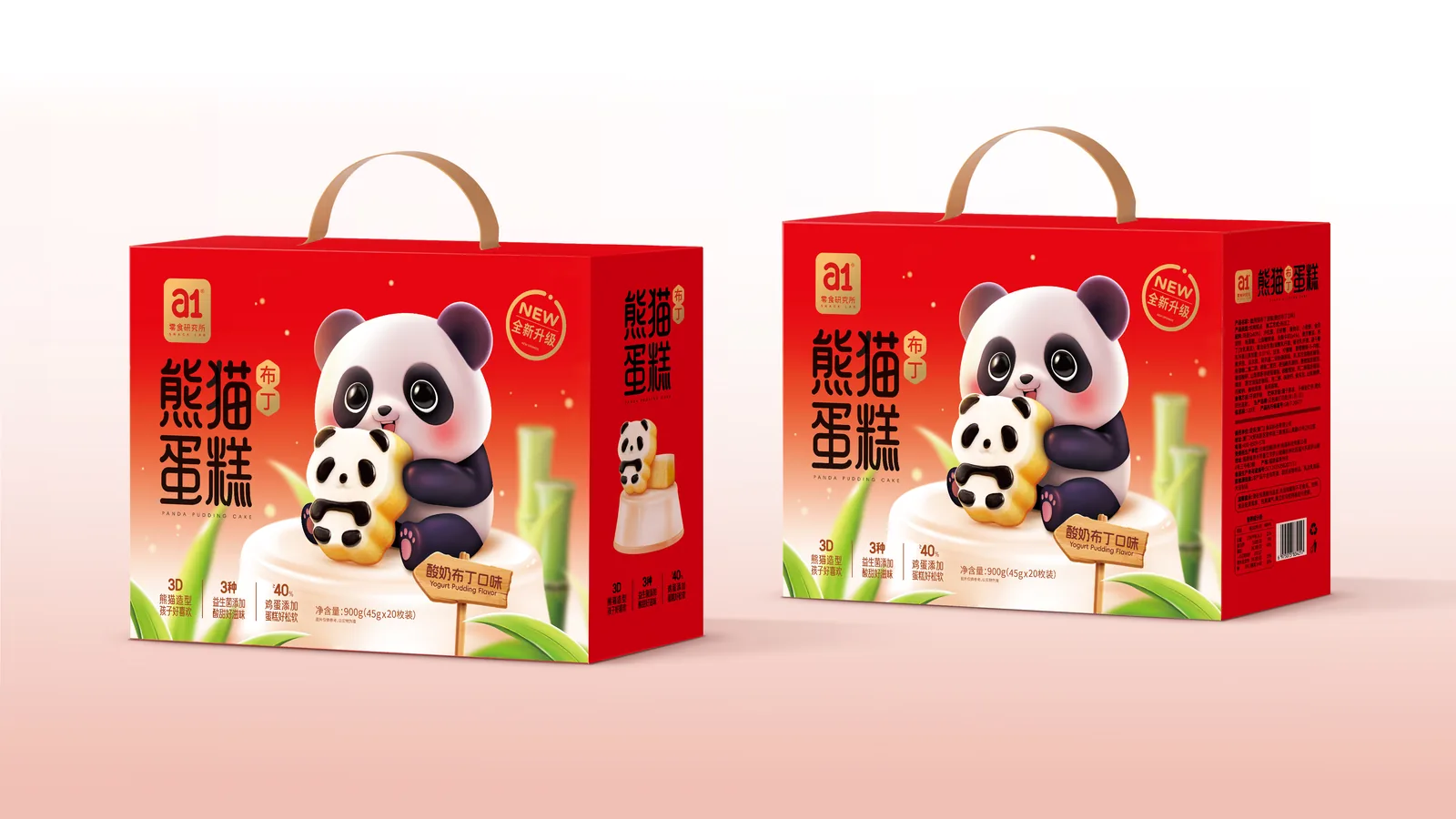
The giftable centerpiece. Cakes with character packaging — a panda-themed pudding cake is the working example — behave like a gift: distinctive on the shelf, photo-friendly, priced as a treat. This is the SKU that goes into the feature display and the gift program.
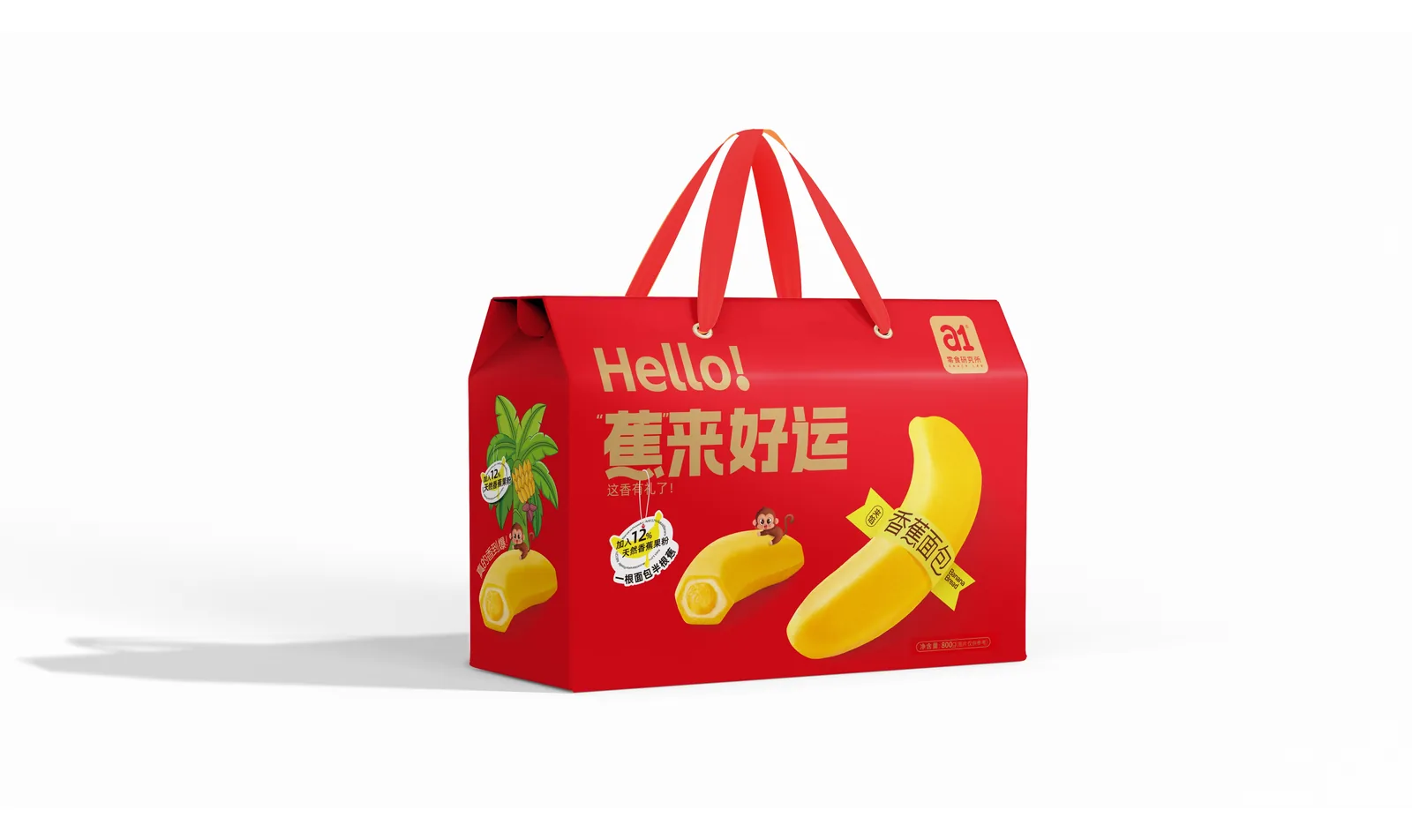
The everyday line in festive clothing. The same toast and banana bread that sell all year can carry a gift-ready carton for the season. The margin structure stays wholesale; the presentation buys a temporary upgrade in shelf position.
The Shelf-Life Math per SKU
Holiday calendars punish short shelf life twice: first on the water, then on the shelf while the peg waits for the season. Long-life ambient bakery is built for exactly this. The working rule in supermarket tenders — arrival with at least two-thirds of shelf life remaining — is unforgiving around a fixed holiday date. The table below uses the real carton and 40HQ loading data from the a1 range.
| Product | Pack | 40HQ loading | Shelf life |
|---|---|---|---|
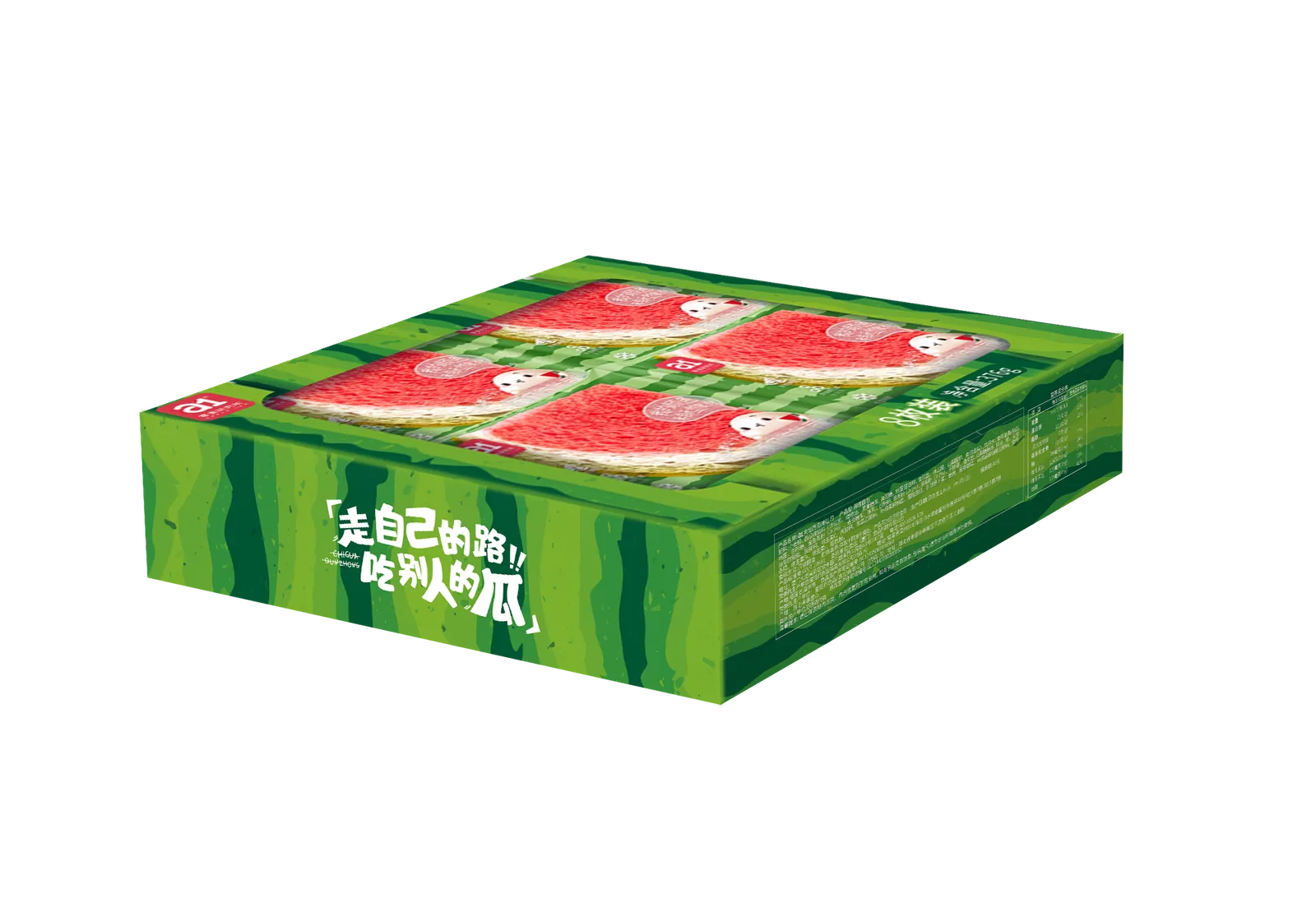
| Stuffed watermelon toast | 188 g × 12 bags | 2,204 cartons | 6 months |
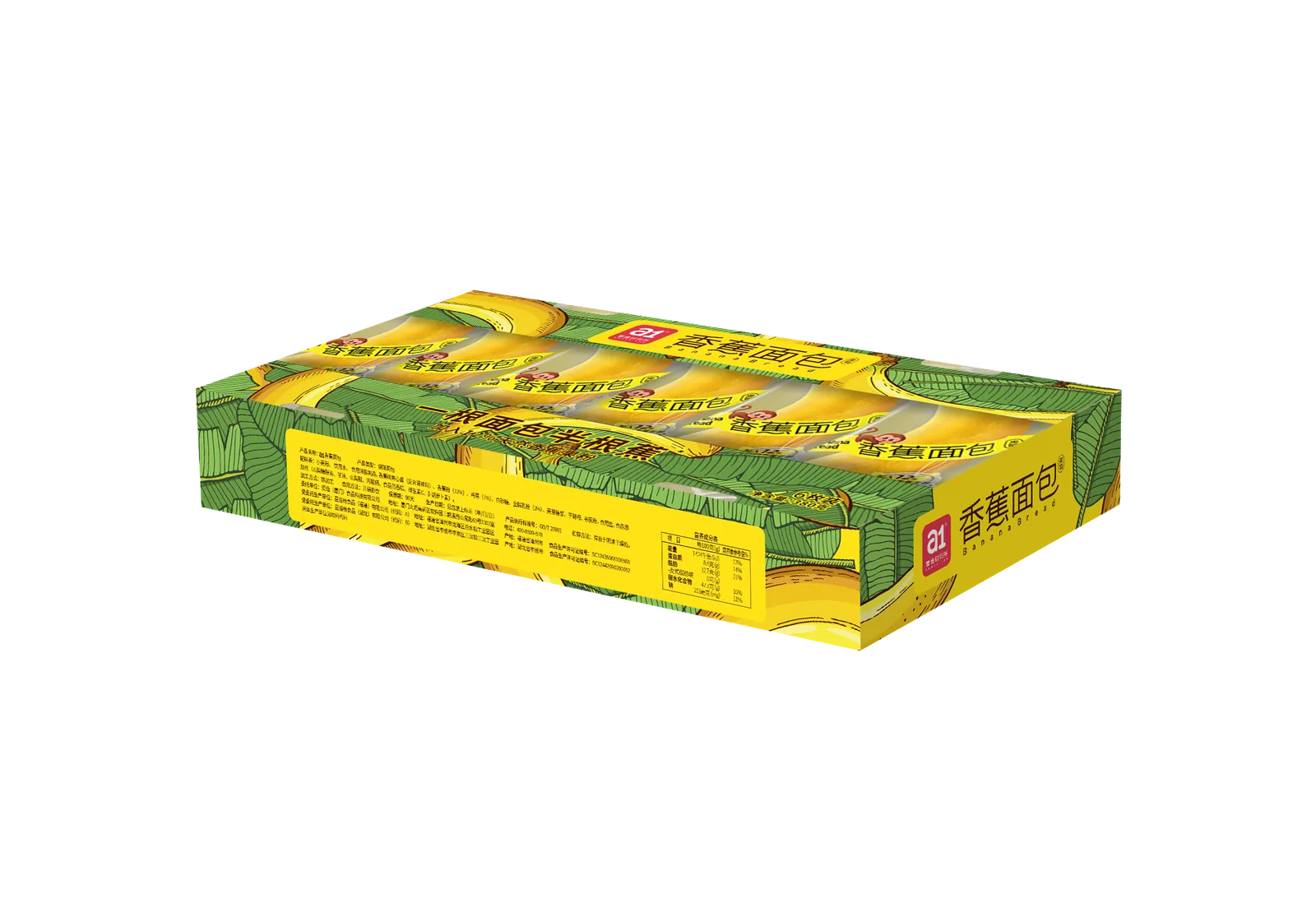
| Banana bread | 248 g × 12 bags | 1,860 cartons | 6 months |
| Mango bread | 238 g × 12 bags | 2,000 cartons | 6 months |
| Panda pudding cake | 240 g × 12 bags | 1,518 cartons | 6 months |
| Rice cake cookies | 90 g × 24 bags | 2,066 cartons | 9 months |
Two conclusions follow. First, the 9-month cookies are the most forgiving SKU on a holiday calendar: they tolerate an early production run and a slow first month on the shelf. If a holiday program includes one SKU with slack built in, make it the rice cake cookies. Second, the 6-month cakes and toasts still work — but only if production and sailing dates hold, which is the whole point of ordering in October.
One Mixed 40HQ Beats Three Single-SKU Containers
A holiday assortment rarely justifies a full container of one SKU. The efficient move is one mixed 40HQ: a gift-led cake, a long-life cookie for slack, and everyday toasts for volume. With MOQ from 500 cartons per SKU, and 200-carton trial orders available for new markets, a first holiday order fits comfortably inside a single container — and the loading table above shows how the carton counts stack into a 40HQ. Our cross-border bakery assortment guide walks through that build SKU by SKU.
Paperwork Before Presents
Seasonal volumes concentrate on fixed dates, which makes documentation failures disproportionately expensive: a delayed consignment misses the peg entirely. Before nominating production, confirm in writing that the certificates your destination requires are current — BRC, HACCP, FSSC 22000 and halal certification where your market requires it — and that batch-level COAs and traceability will accompany the shipment. Gulf buyers building a seasonal program should also read our Ramadan and Eid bakery calendar, which applies the same backwards-planning logic to the other great gifting season on the retail calendar. And if your channel is supermarket tenders, the six-month shelf-life bid checklist covers the arrival-remaining-shelf-life clauses that holiday windows stress the most.
An Eight-Point Checklist Before You Book the Season
1. Fix the display date, then count backwards through clearance and transit to a sail date.
2. Book the production slot in October — not the vessel in November.
3. Approve seasonal artwork and cartons early; packaging lead time is the quiet bottleneck.
4. Put the 9-month cookie in the program as the schedule-buffer SKU.
5. Build one mixed 40HQ instead of three single-SKU containers.
6. Confirm destination certificates in writing: BRC, HACCP, FSSC 22000, halal where required.
7. Contract the arrival shelf-life rule — two-thirds remaining — with the season date in mind.
8. Hold a small buffer of the giftable SKU for the January reset and post-holiday reorders.
Frequently Asked Questions
Is October genuinely the last month to order for Christmas? For a full mixed container landing with usable shelf life, yes in practice: freight plus clearance consume 5–7 weeks, production and carton printing consume more. Later orders exist, but they buy arrival dates in late December or January — the reset, not the season.
Can everyday toasts really carry a gift program? Yes, with packaging. A gift-ready carton over a proven everyday format is the lowest-risk way to add seasonal facings without introducing an untested SKU at the worst possible time to test one.
What is the minimum to start? MOQ from 500 cartons per SKU, and 200-carton trial orders for new markets — sized so a seasonal test fits inside one mixed container rather than a dedicated one.
Book the Window, Not the Wish
Holiday bakery is a logistics product wearing a bow. The SKU list, the artwork and the certificates are all decisions you can make this week; the sail date is the one that cannot move. Importers who book the October window lock in production capacity, vessel space and a peg position in December. Importers who decide in November buy whatever is left.
To request samples, seasonal specifications or a slot for your market, contact Katherine at a1 Snack Lab — Justin@a1food.cn or WhatsApp +86-189-6548-2111. MOQ from 500 cartons per SKU, 200-carton trial orders for new markets.