
When a distributor chooses a bakery line for export, the filling is not only a flavour decision. It is a logistics decision — and on a forty-day ocean crossing, the wrong filling can arrive as a different product than the one that left the dock.
Two filling families dominate ambient bakery: fat-based fillings built around chocolate or cocoa, and water-based fillings built around jam, fruit paste or fruit purée. Both sell. But they fail in different ways, and they survive export in different ways. This is the comparison a technical buyer should run before committing a container.
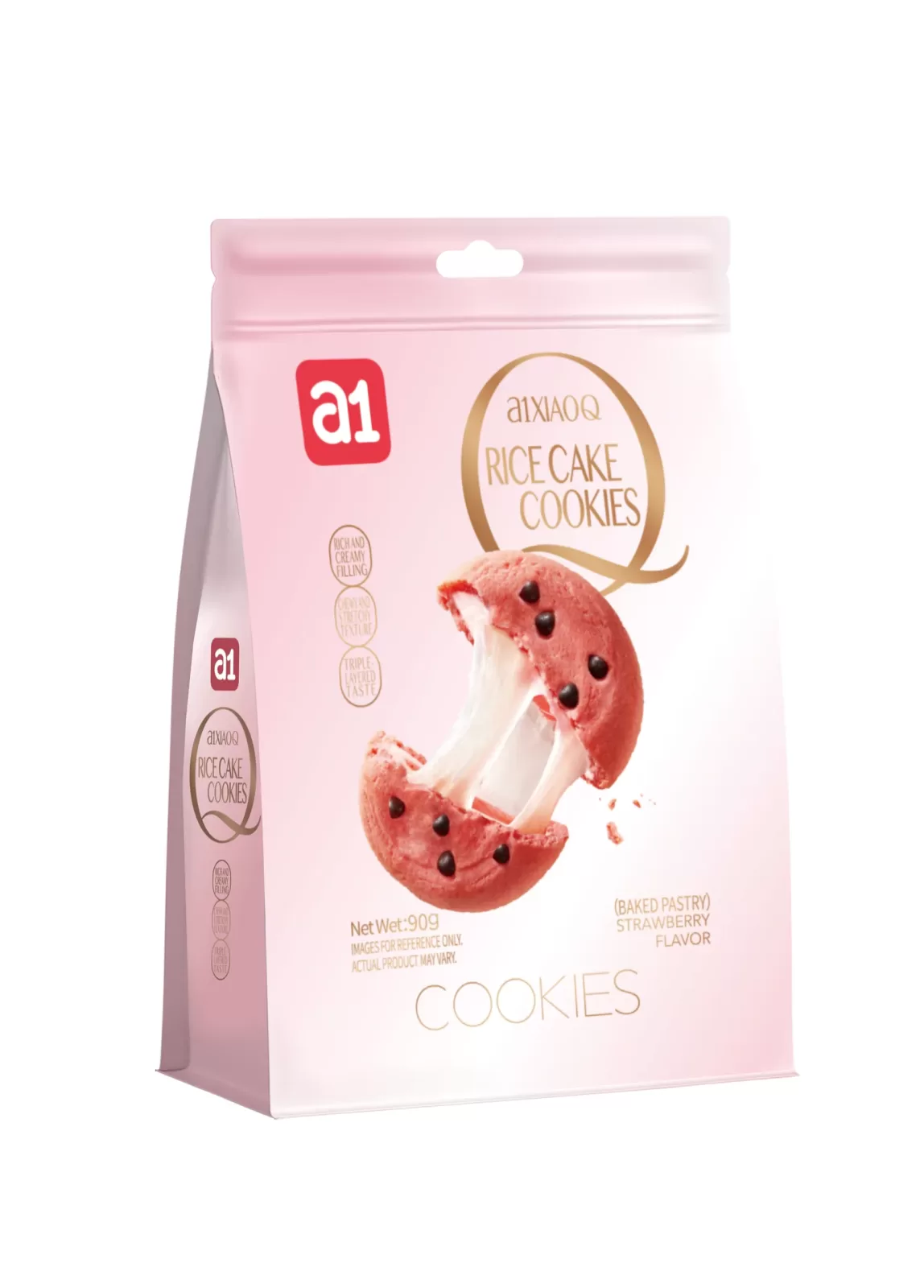
We make both — fruit-filled stuffed toast in the jam family, and chocolate-flavoured rice-cake cookies in the fat family — so the trade-offs below come from our own production line, not a textbook.
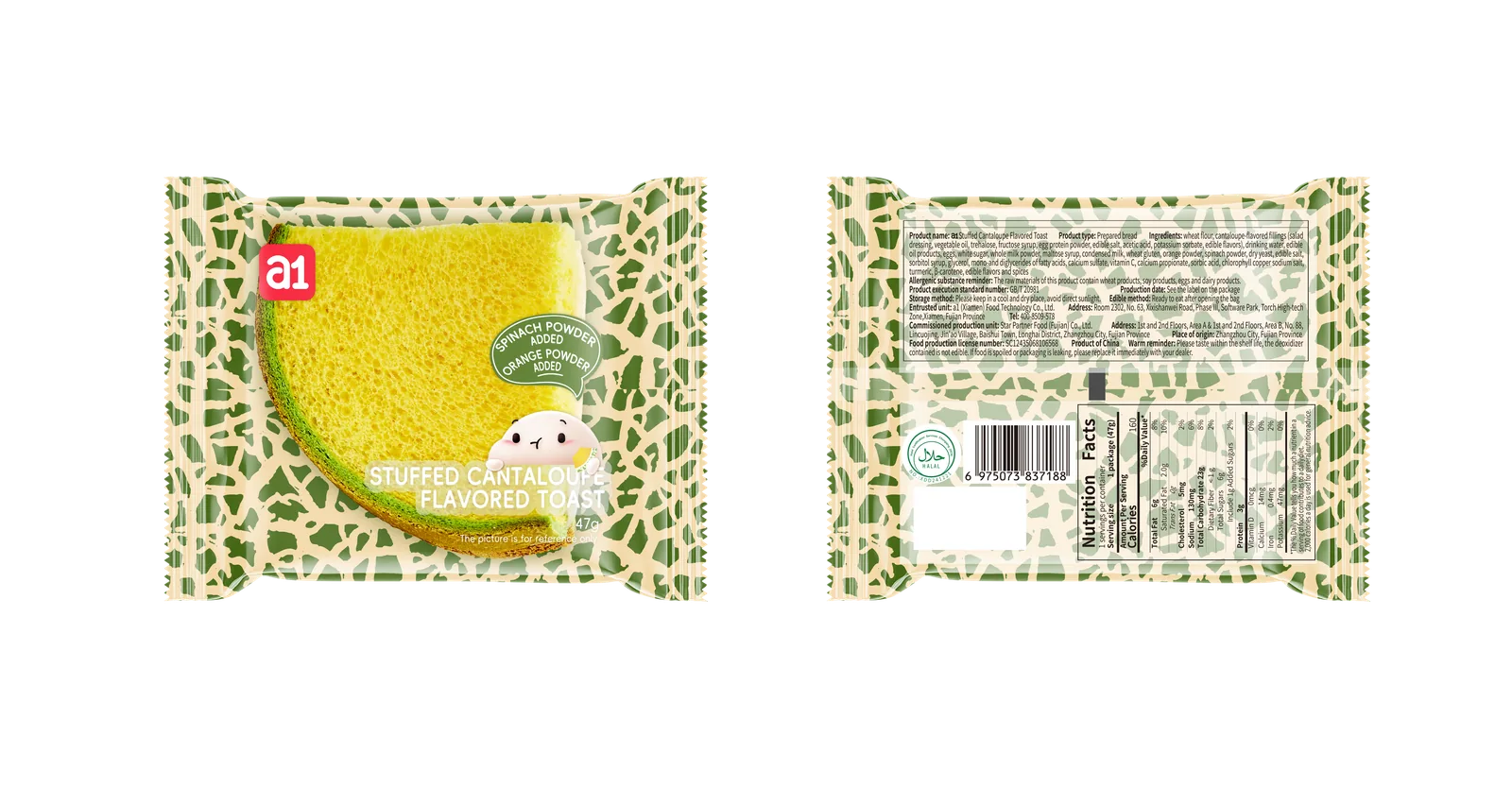
The two families, and why the filling is the product
Fat-based fillings are built on chocolate or a chocolate-flavoured compound. They give a clean snap, a glossy finish and a premium signal — but they are thermally fragile. Real chocolate begins to soften well below body temperature, and a compound coating, while more stable, still migrates fat into any sponge it touches. Water-based fillings are built on jam, fruit purée or fruit paste. They are far more tolerant of heat, but they carry water activity, and water activity is what quietly decides whether a filled product keeps its texture for six months or collapses into a soggy, high-risk slab.
The mistake buyers make is to pick by taste alone. On a shelf in Düsseldorf the two are close. In a container crossing the equator they are not the same product at all.
Failure mode one — heat favours the jam, not the chocolate
On tropical and sub-tropical routes — LatAm, Southeast Asia, the Gulf in summer — a container interior can sit well above 50°C for days. Chocolate filling is the bigger casualty: bloom, softening, and fat migration into the surrounding cake turn a premium format into a greasy, dull-looking one. A jam or fruit paste holds its shape through that same heat because it has no fat to melt.
This is why our chocolate-flavoured rice-cake cookies are built on a stabilised compound system with controlled melting point and bloom retardants rather than real chocolate alone — the format has to laugh at a hot hold, not fear it. Heat is the one axis where the jam family simply wins.
Failure mode two — water activity, the silent killer of jam
The jam family's weakness is not the thermometer; it is moisture. A fruit filling carries water activity, and over weeks the filling and the sponge around it want to equalise. Managed poorly, you get a wet crust or a dried, leathery filling — and, if the water activity is not held below the microbial line, a mould risk that no pretty pack can hide. Fat fillings sit at low water activity, so they are microbiologically calm, but they have their own enemy: fat oxidation and rancidity if the barrier is wrong.
Both failure modes are engineering problems, not recipe accidents. The question for a buyer is whether the supplier can show the numbers.
What the shelf-life numbers actually say
The filling decides the date. Our fruit-filled stuffed toast — a jam-family product — carries a 6-month ambient shelf life. Our rice-cake cookie, including the chocolate variant, runs to 9 months. The gap is not arbitrary: moisture migration is why a filled toast is six months and not twelve, while the cookie's low water activity and barrier film push it to nine. We unpacked the whole shelf-life logic in our six-month bakery guide — but the short version is that the filling, not the flour, sets the clock.
Matching filling to route and climate
| Format | Thermal risk | Water-activity risk | Best-fit market & handling |
|---|---|---|---|
| Chocolate / cocoa filled | High on hot, unventilated routes | Low | Temperate markets; Gulf/LatAm only with stabilised compound + ventilated, shaded transport |
| Jam / fruit purée filled | Low | High if aw not controlled | Hot-humid markets; needs barrier film, aw control and validated mould prevention |
| Mixed filling programmes | Set by the least stable item | Set by the least stable item | Build the container to the jam item's aw and the chocolate item's heat limit together |
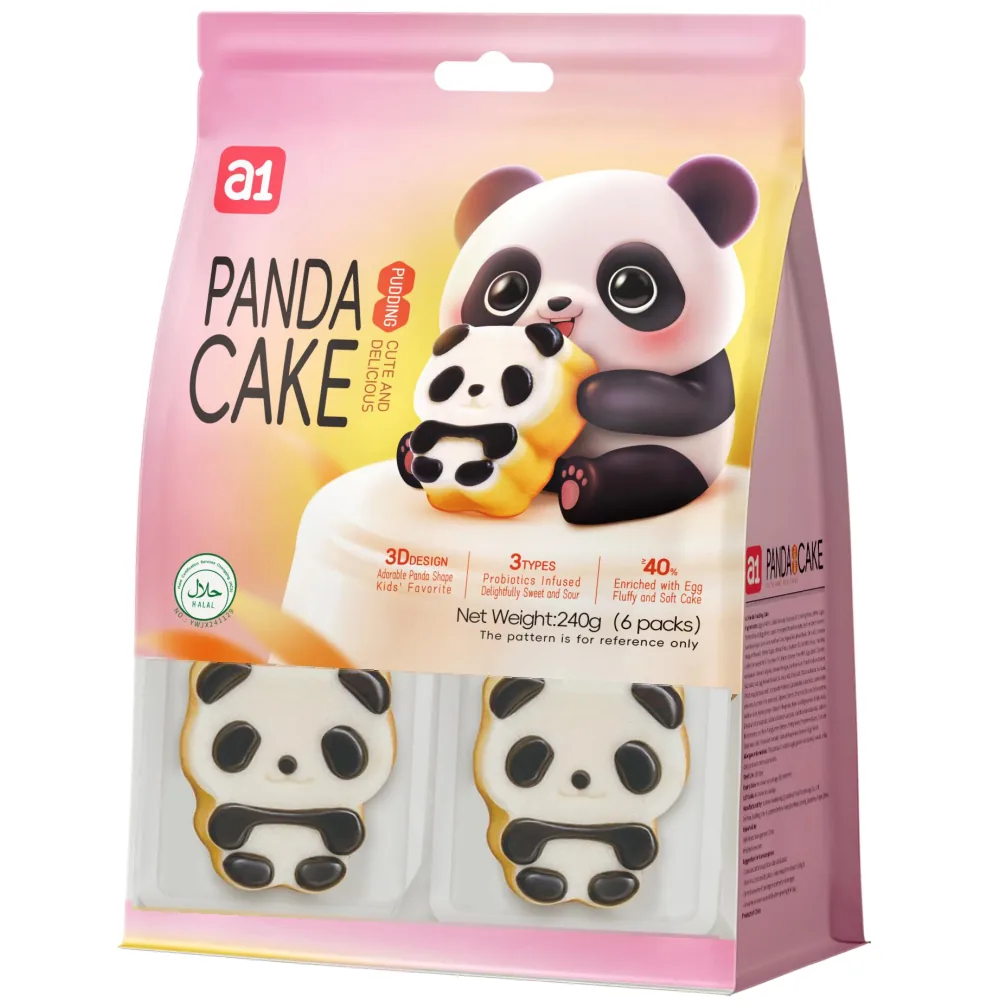
How both are engineered to survive
Long-life ambient bakery is a systems job. On the water-activity side we control aw on both the filling and the base so migration is designed out, not hoped away, and we hold the microbial line with barrier film and — where the market and pack justify it — a nitrogen flush. On the fat side we select the coating system, retard bloom and set a measured melting point so the product arrives looking like the sample. Every batch ships with a certificate of analysis from our CNAS-accredited laboratory and full batch traceability, and the range is covered by FSSC 22000, BRC, HACCP and HALAL certifications, with registration status matched to each destination market.
Matching filling to channel and market
The climate decides the engineering margin; the channel decides the pack. Convenience and forecourt shelves want robust, single-serve packs that survive handling and a fast turn. Supermarkets want family packs with longer dwell and stronger shelf presence. Discounters want the longest life at the lowest rotation. A jam-filled toast and a chocolate cookie can serve all three, but the pack that protects the filling has to be specified per channel — the same filling in the wrong film fails on the same route.
The eight-point pre-shipment checklist
Before you price a container, get written answers to these eight — for the specific filling, not the brand in general:
- Filling type declared and on specification, with the actual recipe class (chocolate compound vs real chocolate, jam vs fruit purée).
- Water activity of both filling and base, plus the migration test result over the stated life.
- For chocolate systems: bloom behaviour and measured melting point under heat exposure.
- Barrier film specification, and whether modified atmosphere or nitrogen flush is used.
- Stated ambient shelf life, backed by a real-time stability study, not just a printed date.
- Storage and transport temperature band — and whether the route is ventilated and shaded.
- Certificates (FSSC 22000, BRC, HACCP, HALAL) valid for the destination market.
- Certificate of analysis and full traceability per batch.
Any blank line is unpriced risk, and unpriced risk is what turns a won listing into a rejected container.

Frequently asked questions
Can a chocolate-filled product survive tropical routes? Yes, if it is a stabilised compound system with controlled melt point and bloom retardants, ideally moved in ventilated, shaded containers. Real chocolate alone needs far more care and is the riskier choice for unconditioned holds.
Does a jam filling mean a shorter shelf life? Not necessarily. Water activity control and barrier film decide the date, not the word "jam". Our fruit-filled toast runs a full six months at ambient.
Which filling is cheaper to ship? Freight is the same; the difference is the engineering margin each filling needs to arrive intact, not the cube or the cost of the carton.
Do you supply both filling families? Yes — fruit-filled stuffed toast in the jam family and chocolate-flavoured rice-cake cookies in the fat family, both from the same certified, export-proven lines.
Where to start
Tell us the destination market, the channel and the climate band your container will cross, and we will recommend the filling family and the pack that protect it end to end. Our MOQ is from 500 cartons per SKU, with 200-carton trial orders for new markets, so a first container can be tested without a full commitment. Contact our team and we will put the specification, the stability data and the certificates in front of you before you commit the shipment.
Contact: Katherine and Justin, a1 (Xiamen) Food Technology Co., Ltd. — Justin@a1food.cn | WhatsApp +86-189-6548-2111 | en.a1food.cn