
A chain buyer does not decide with a tasting. They decide with a form. Samples arrive, the product is good, everyone smiles : the listing then goes to a committee that has never eaten it, because the real conversation is a spreadsheet with six columns.
Why the Scorecard Decides Before You Present
Most factories prepare a tender with a presentation. Chain buyers prepare a comparison. The category manager must justify your product to people who will ask what happens if this supplier fails in week six, if the container arrives short-dated, if the label is wrong in one market. The scorecard exists so five or six candidates can be answered in the same format.
That is why "our cake tastes better" scores almost nothing on its own. Taste is a threshold, not a differentiator: every candidate at the sample stage has passed it. What separates the shortlist is evidence: documents, numbers, records, and a written answer within a day.
The Six Columns Inside a Bakery Tender
Wording changes by retailer. The structure rarely changes.
| Dimension | What the buyer measures | Evidence that scores |
|---|---|---|
| Quality & consistency (20–30%) | Will carton 4,000 match the approved sample? | Batch COA, traceability, sensory protocol, shelf-life validation |
| Capacity & lead time (15–25%) | Can you hold our volume in peak weeks? | Lines and output, booking calendar, reserved capacity |
| Compliance & documentation (15–25%) | Can this product legally sit on our shelf? | Certificate pack, label artwork, registration, allergen data |
| Cost structure & cube (15–20%) | What does a pallet cost us landed? | Cartons per 40HQ, pallet configuration, breakage |
| Range & packaging (10–15%) | Can one supplier fill the planogram? | Format breadth, artwork capability, multipack and gift |
| Service & responsiveness (5–10%) | Who answers at 11pm before a launch? | Named contacts, sample turnaround, claim record |
Quality and Consistency: the Column You Cannot Argue With
Consistency is measured across time, not across a sample tray. Buyers ask how a batch is released, what the acceptance criteria are, and what happens when one fails. A system where every batch ships with a COA from an in-house CNAS-accredited laboratory, with full traceability back to raw material lots, answers all three before the question ends. FSSC22000, BRC and HACCP certificates are the frame around that answer.
Bakery is probed on physics more than confectionery. Moisture migration between sponge and filling, filling viscosity after forty days in a hot container, breakage after a month of truck vibration, seal integrity on printed film. Naming the control — water-activity target, barrier-film specification, drop test on a sealed case — reads as competence. "Our quality is stable" reads as a risk.
Capacity, Lead Time and the Peak-Season Question
The question sounds like "what is your monthly output?" The buyer is asking "what is left for us in October?" Every bakery supplier is full before a major season. Two bases and eight lines matter less than the follow-up: how much capacity is committed to retail programmes, and what happens when a launch moves forward two weeks?
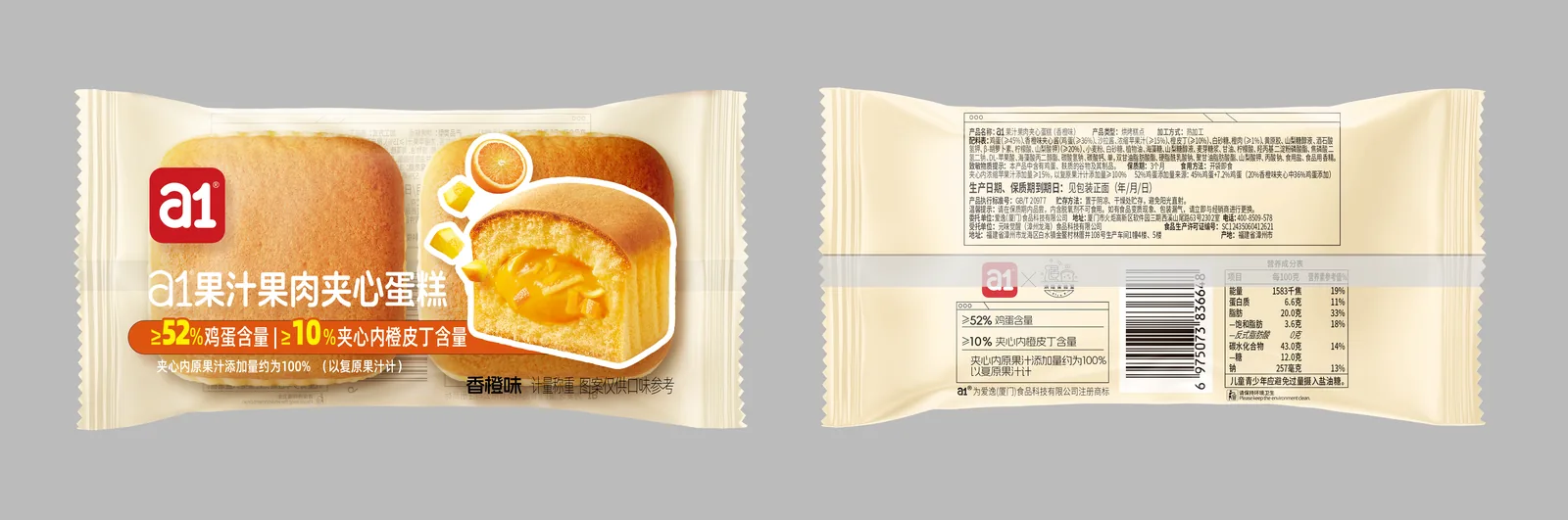
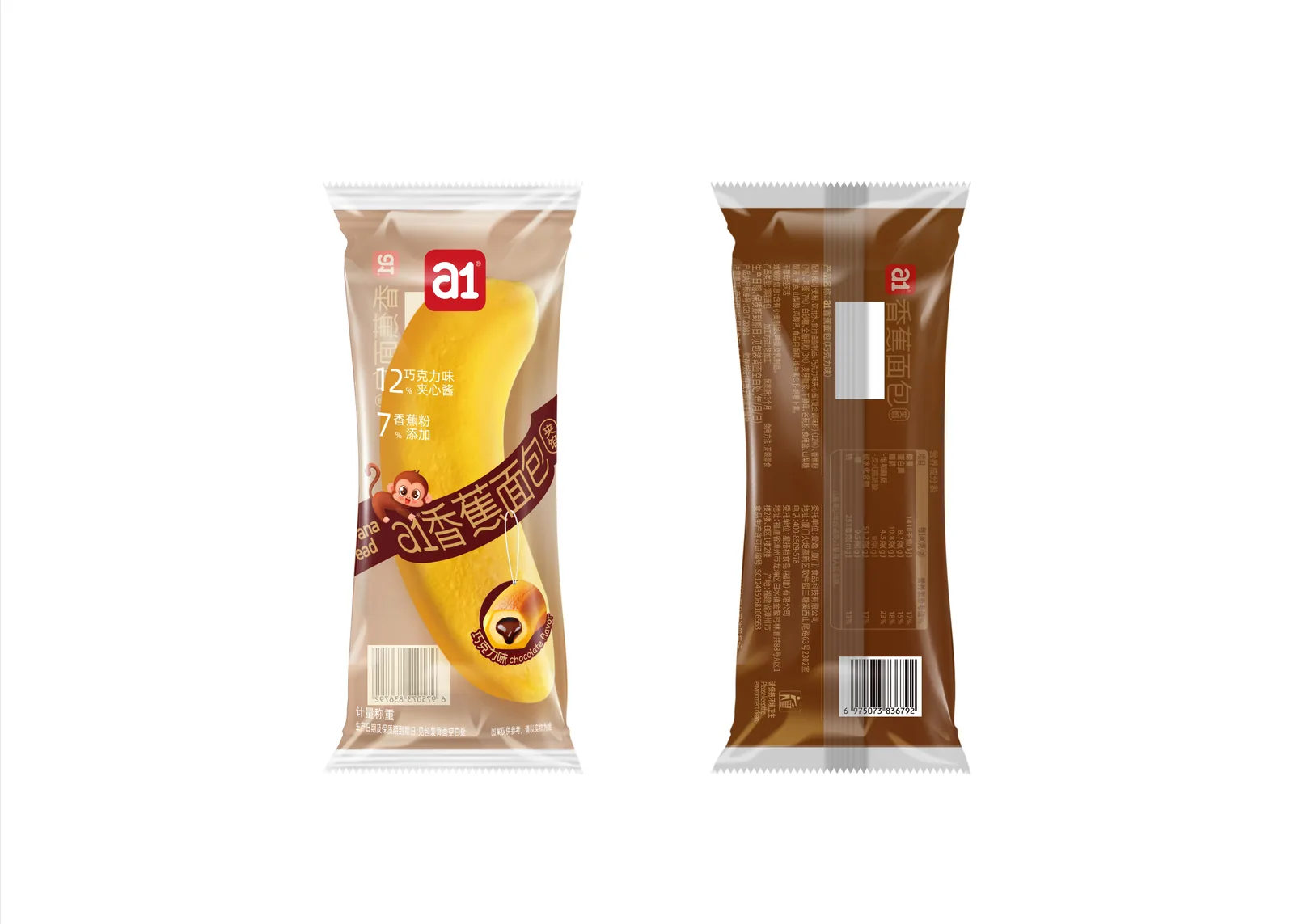
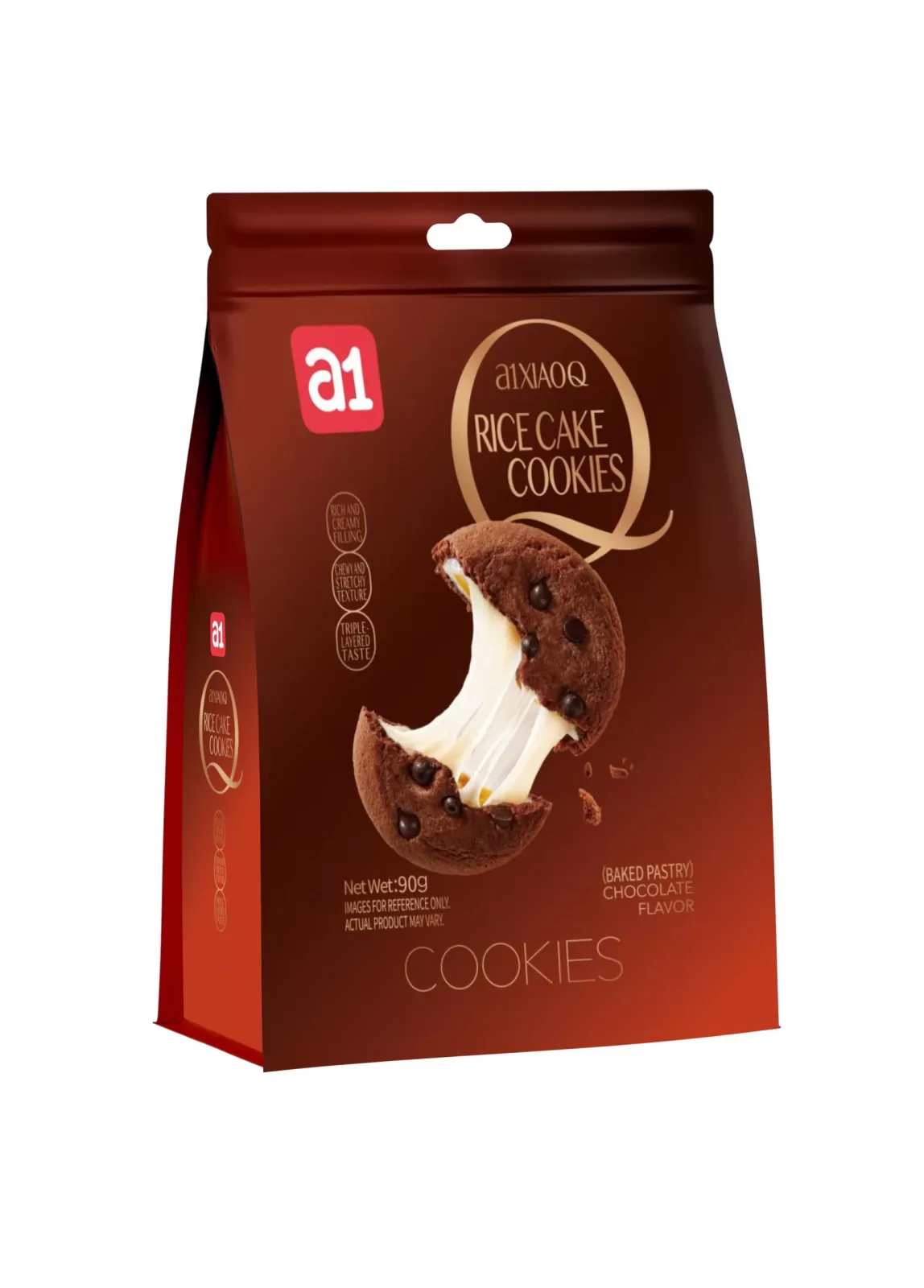
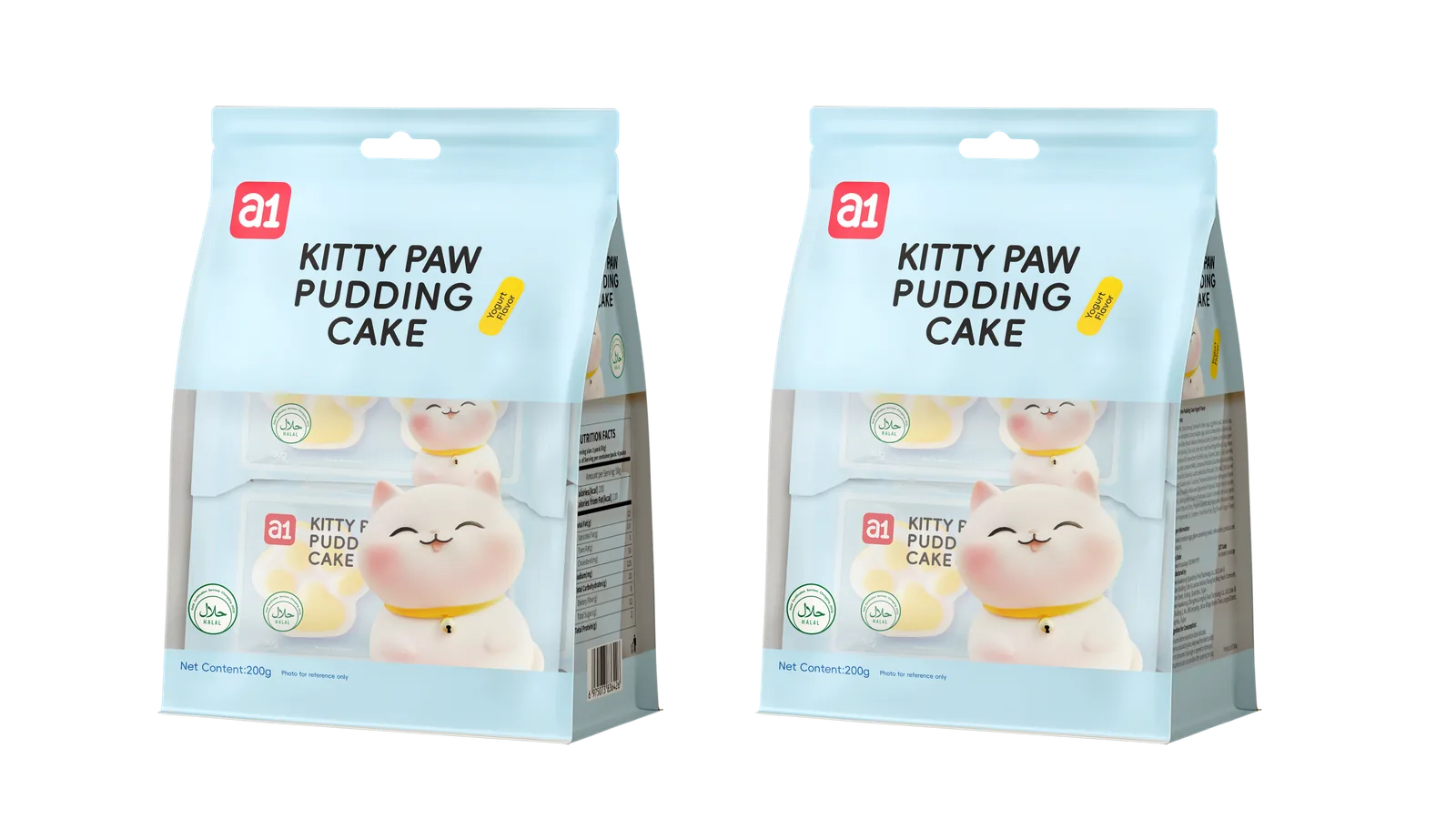
Loading data does quiet work here. A 40HQ holds 2,204 cartons of 188g stuffed toast, 1,860 of 248g banana bread, 2,000 of 238g mango bread, 1,518 of panda pudding cake, 2,066 of rice-cake cookie and 1,431 of paw pudding cake. Those figures let a buyer convert a planogram into containers without asking three times — and they show a supplier thinking in the buyer's units.
Compliance and Documentation: the Cheap Points
This column is won cheapest: it is pure preparation. FSSC22000, BRC, HACCP, HALAL and BSCI certificates. FDA-registered food facilities for US-bound production. Label artwork built for the destination market, with nutrition panel, allergen statement, origin and shelf-life declaration. A COA per batch as standard practice, not a favour.
The trap is treating certificates as marketing. Buyers ask which site a certificate covers, when it expires, and whether the site producing their SKU is the one named. Multi-site groups lose points here constantly — not for missing certification, but because the mapping between document and production line was never written down.
Cost Structure Is Read as Landed, Not as Unit Price
No serious tender settles on the ex-works figure. Buyers convert every offer into landed cost per selling unit: freight per carton, pallet utilisation, expected breakage, and waste from short-dated arrivals. A format that fills a container efficiently can beat a cheaper one that wastes cube, which is why cartons-per-40HQ sits beside commercial terms.
This is also where a first order is won. A supplier willing to build a mixed container across three or four formats, at trial quantities, lets a buyer test several facings in one shipment. Our standard terms are MOQ from 500 cartons per SKU, 200-carton trial orders for new markets.
Three Places Good Bakeries Lose Points
The sample-to-production gap. The sample was hand-finished; production is not. Filling drifts a few grams, the glaze thins, the carton grows a few millimetres and no longer stacks on the buyer's pallet. Buyers test this deliberately. Written specifications with tolerances protect both sides.
The missing document. One expired certificate, one label without an allergen statement, one COA with the wrong lot number — and a strong offer drops to second place. Documentation is binary in a way product quality is not.
The unanswered follow-up. Tenders move on written answers. A supplier replying in two days with a precise number beats one replying in an hour with "should be fine". Responsiveness is worth 5–10%, but it decides tie-breaks.
What a Tender Package Should Contain
Eight items, refreshed quarterly:
1. Site profile naming the exact plant proposed for this SKU. 2. Certificate pack with expiry dates and covered sites. 3. Specification sheet per SKU: gram weight, pieces per bag, carton configuration, cartons per 40HQ, shelf life. 4. Destination-market label artwork with nutrition and allergen panels. 5. A sample COA and one-page traceability description. 6. Shelf-life validation summary with the storage condition assumed. 7. Sample and production lead times plus a peak-season capacity statement. 8. Named commercial and quality contacts, and the escalation path.
Shelf Life and Seasonality Decide Two More Columns
Bakery is judged on time more harshly than confectionery. A container spending thirty to forty days at sea against a six-month shelf life arrives with four to five months of usable window, and many groups require two-thirds remaining at delivery. Formats carrying nine months — rice-cake cookies among them — hand the buyer a full season instead of a quarter. The arithmetic is in our six-month shelf life guide.
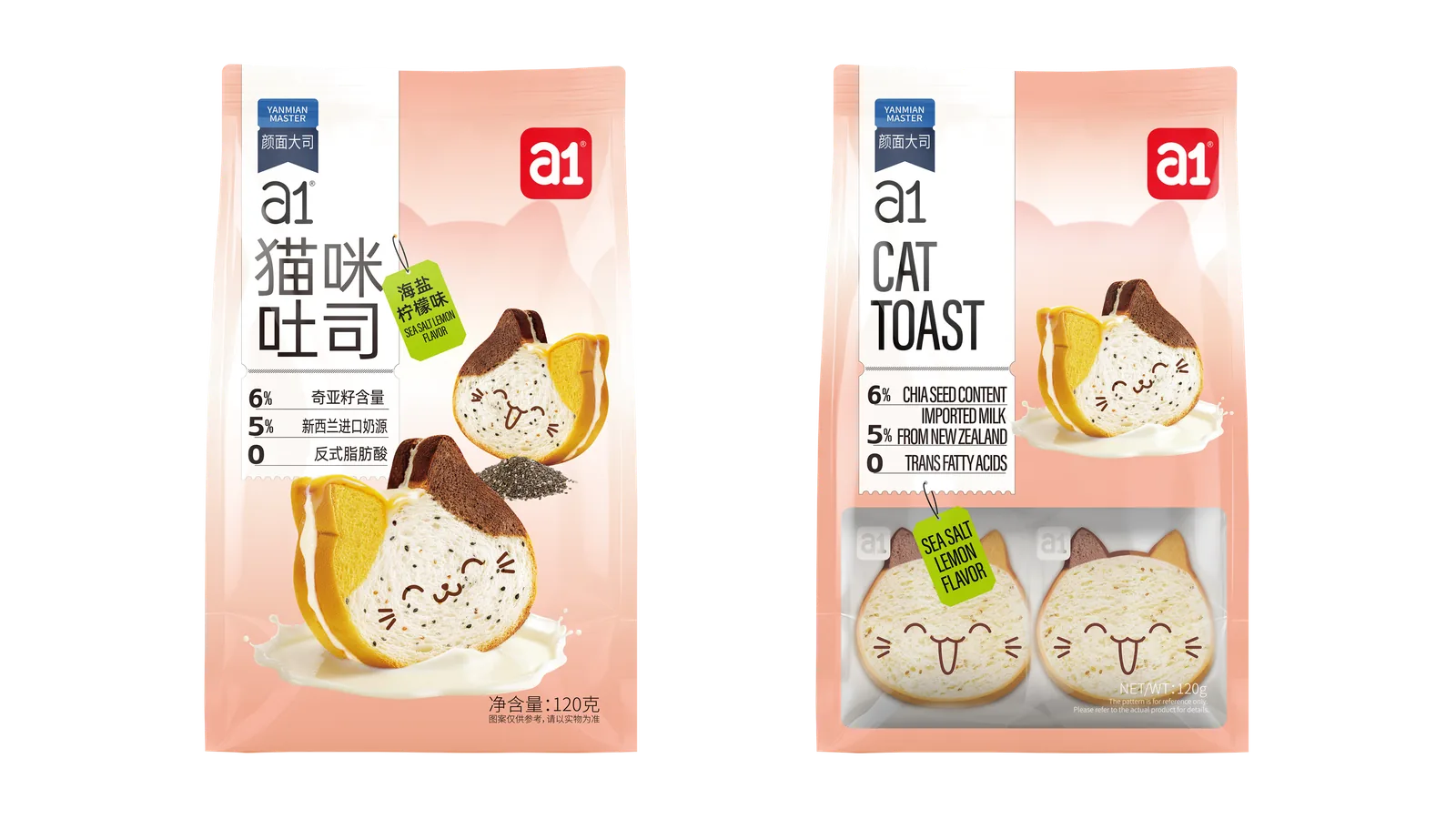
Seasonality is the other half. Christmas, New Year, Ramadan and Eid assortments are planned months ahead, so a supplier quoting a production calendar rather than a lead time starts to look like a partner. The mechanics sit in our seasonal bakery calendar, and combining several formats into one container is covered in the cross-border assortment guide. Two formats scoring well on range and shelf life are the stuffed watermelon toast and the rice-cake cookie line.

Frequently Asked Questions
Do we need a retail listing before approaching a factory? No — but the reverse is common. Buyers shortlist suppliers already holding a certificate pack, specification sheets and loading data, because that is what the tender asks for.
How much does a scorecard change between markets? The six columns stay; compliance changes. A Gulf listing leans on HALAL documentation, a US listing on registration status and label panels, a European listing on additive and allergen rules.
Is a factory audit always required? For larger programmes, usually. Audits concentrate on what the scorecard rewards: traceability, batch release discipline, pest control, allergen segregation, and whether the audited line is the line that will run your SKU.
Where to Start
Treat the scorecard as a specification rather than an obstacle: most of it is preparation you do once. Send your target market, channel and the formats you are considering, and we will return specification sheets, loading figures and the certificate pack your tender will request. Start on the contact page: Katherine, Justin@a1food.cn, WhatsApp +86-189-6548-2111.