
The candy is perfect. The container still gets stopped at the port. More often than not the reason is not the product — it is a piece of paperwork that was never assigned to anybody.
Buyers importing candy into the United States rarely lose time on quality disputes. They lose it on three compliance points that sit between the factory, the importer and the customs broker: the supplier's FDA facility registration, prior notice for the shipment, and a label that survives FDA review. None is difficult; all three punish assumptions.
Here is who owns each one, what done looks like, and what to demand in writing before the container is booked.
Who owns what: split the requirements before the PO
A first-time US candy importer's most useful habit is writing down who owns each requirement. US food import compliance splits cleanly, and every row needs a name:
| Requirement | Primary owner | What "done" looks like |
|---|---|---|
| FDA food facility registration | Foreign manufacturer | Facility registered, US Agent named, kept current on the biennial renewal cycle |
| Prior notice | Importer (usually via broker) | Filing accepted, confirmation number on file before arrival |
| FSVP | US importer of record | A written verification programme covering this supplier and product |
| Labelling | Importer / brand owner | US-format Nutrition Facts, ingredients and allergen statement reviewed before printing |
| Customs entry and duty | Importer + broker | HTS classification and the duty picture known before the quotation is signed |
If any row has no name against it, assume it is yours: the most expensive failures in candy importing are rows nobody wrote down.

Facility registration: what it proves, and what it does not
Under FDA rules, a foreign factory that manufactures, packs or holds food for US consumption must be registered with the FDA and name a US Agent; registration renews on the biennial cycle under the current framework. Be precise about what that is: a traceability and security requirement, not an endorsement. FDA does not certify products, and there is no FDA approval step for conventional candy — a supplier who claims otherwise is confused at best.
What registration does give a buyer is accountability: a facility that keeps it current, and already supplies markets with mature inspection regimes, expects its documentation to be read. Our confectionery lines run inside FDA-registered food facilities, alongside FSSC 22000, BRC, HACCP and halal certification, with a CNAS-accredited in-house laboratory and a COA for every batch — the set most US importer compliance files are built to receive.
Prior notice: the filing that gets forgotten most often
Every food shipment arriving in the US requires prior notice to FDA, filed electronically no more than 15 calendar days before arrival and within the mode-specific minimum lead time — FDA's published windows are measured in hours, most generous for ocean freight.
Your broker usually files prior notice — but "the broker handles it" is not an owner. Ask which entity files, get the confirmation number, and check that the filing data (manufacturer name and registration details, country of production, shipper, arrival information) matches the rest of the document set exactly. Prior notice failures are unforgiving: a container with a labelling question may be examined and released, but a shipment with no prior notice on file can be refused before anyone looks at the goods — the product is fine, and saleable shelf life burns on the dock while someone refiles a form.
FSVP: the importer's programme, and what we supply into it
Under the FSMA framework, the US importer of record runs a Foreign Supplier Verification Program: hazard analysis, supplier evaluation and verification activities, documented per supplier and per product. This is your obligation, not the factory's — but the factory decides how easy it is to comply with.
Two things make a candy supplier easy to verify. First, documents that arrive without chasing: specification sheets, process information, an allergen matrix, current certificates (FSSC 22000, BRC, halal), and a COA for every batch with full traceability. Second, consistency — a supplier whose production matches its spec keeps your verification file boring, which is exactly what you want. Both are designed into our quality system.
The label: where most US candy reprints happen
US labelling is its own discipline, and it is the importer's name on the pack. Five points decide most artwork reviews:
- Nutrition Facts. A US-format panel with serving size derived from FDA reference amounts, and — the line most often missed on imported sweets — a separate Added Sugars declaration.
- Allergens. The major allergens, including sesame alongside the classic eight, must appear in a clear "Contains" statement matching the ingredient list.
- Ingredients. Common or usual names, in descending order. A gelatin-free, pectin-based recipe has to read as such — which for many listings is a selling point, not a chore.
- Claims. "Zero sugar" is a defined claim with a per-serving threshold in the US — different arithmetic from the EU's per-100 g basis, and artwork approved for one market can fail the other. Our guide to sugar-free gummies in the US and EU walks through that math: https://en.a1food.cn/sugar-free-gummies-sweeteners-label-claims-us-eu.html.
- Net quantity and origin marking. US customary plus metric units, marked to CBP rules.
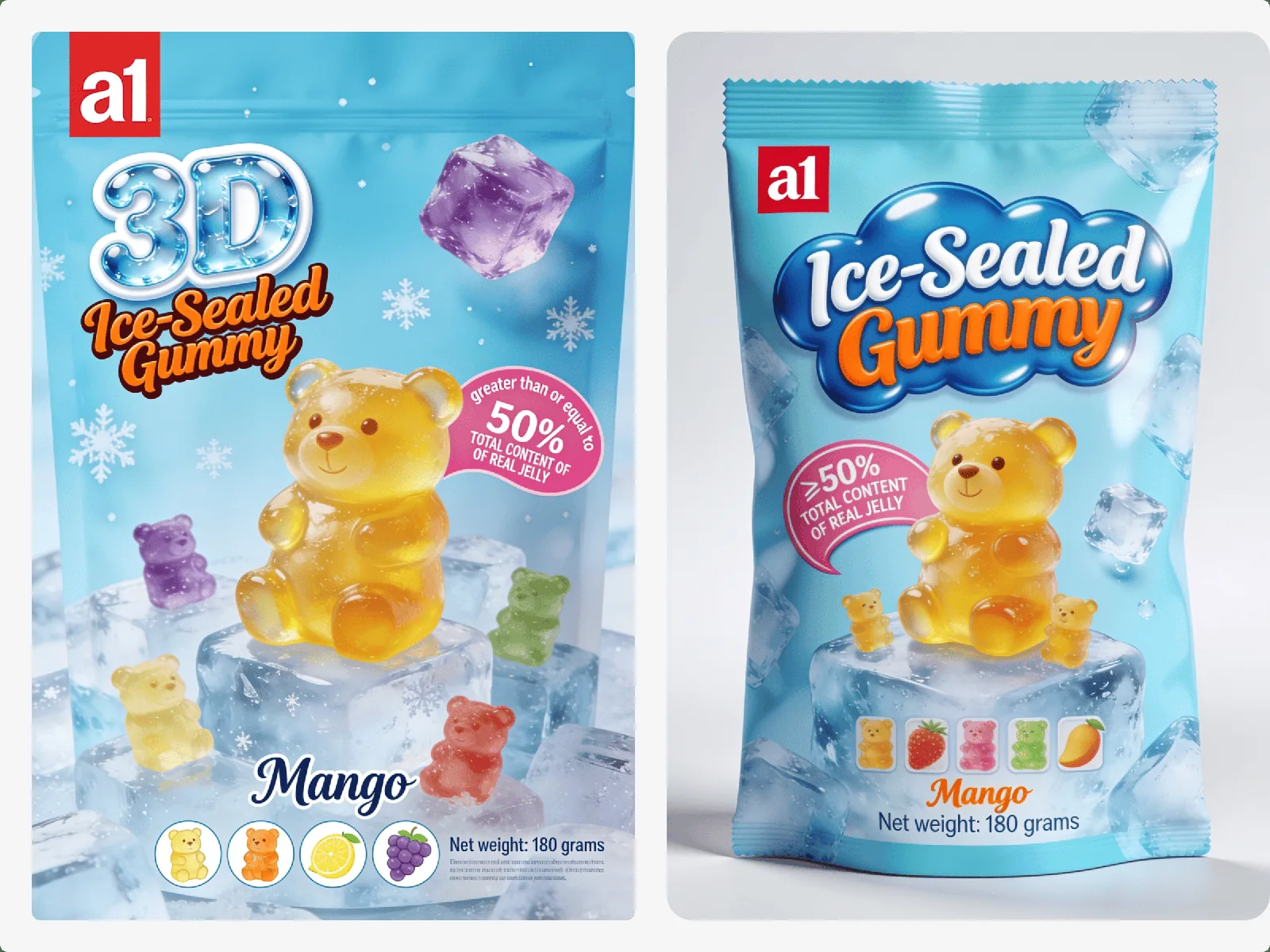
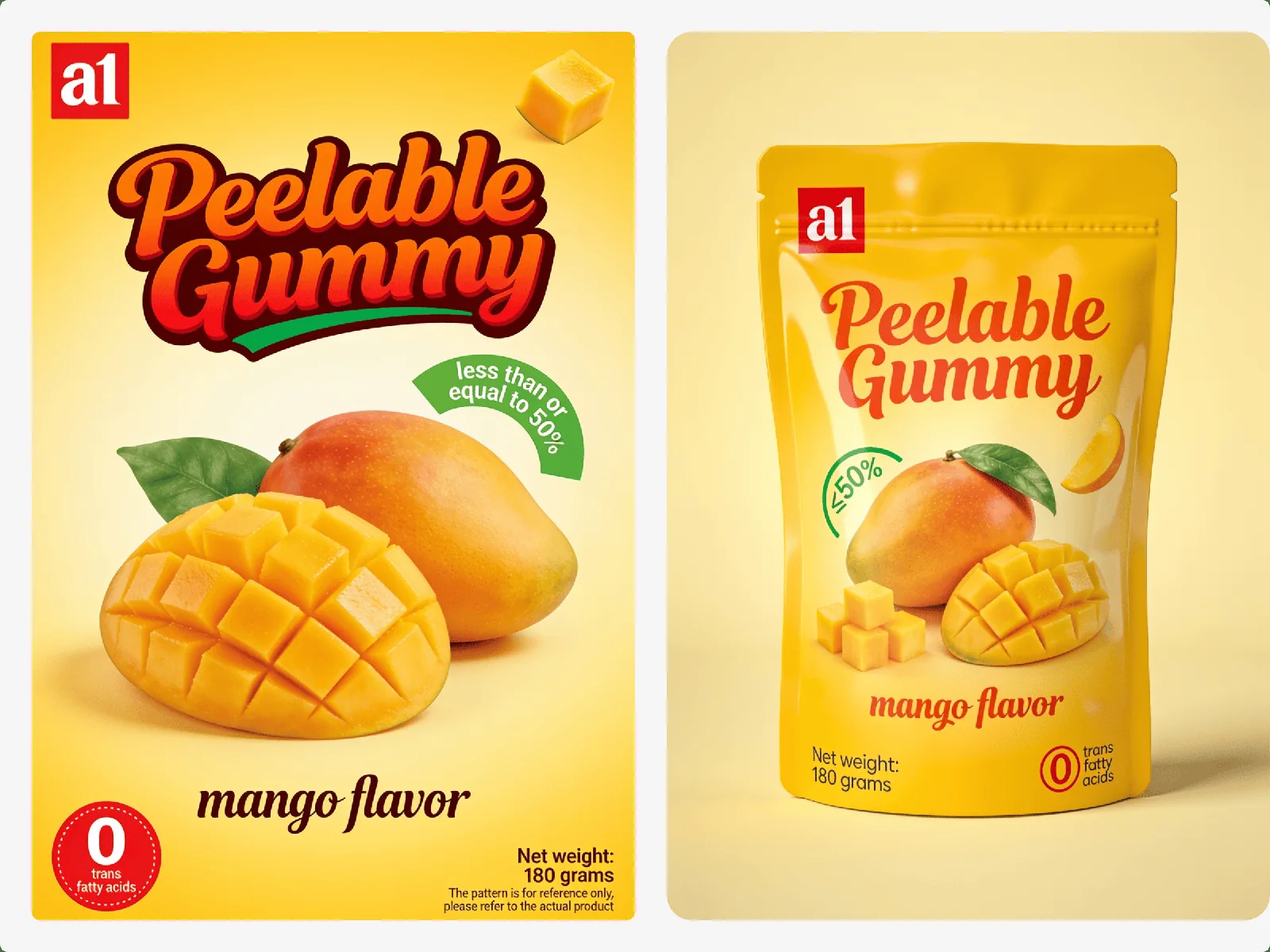
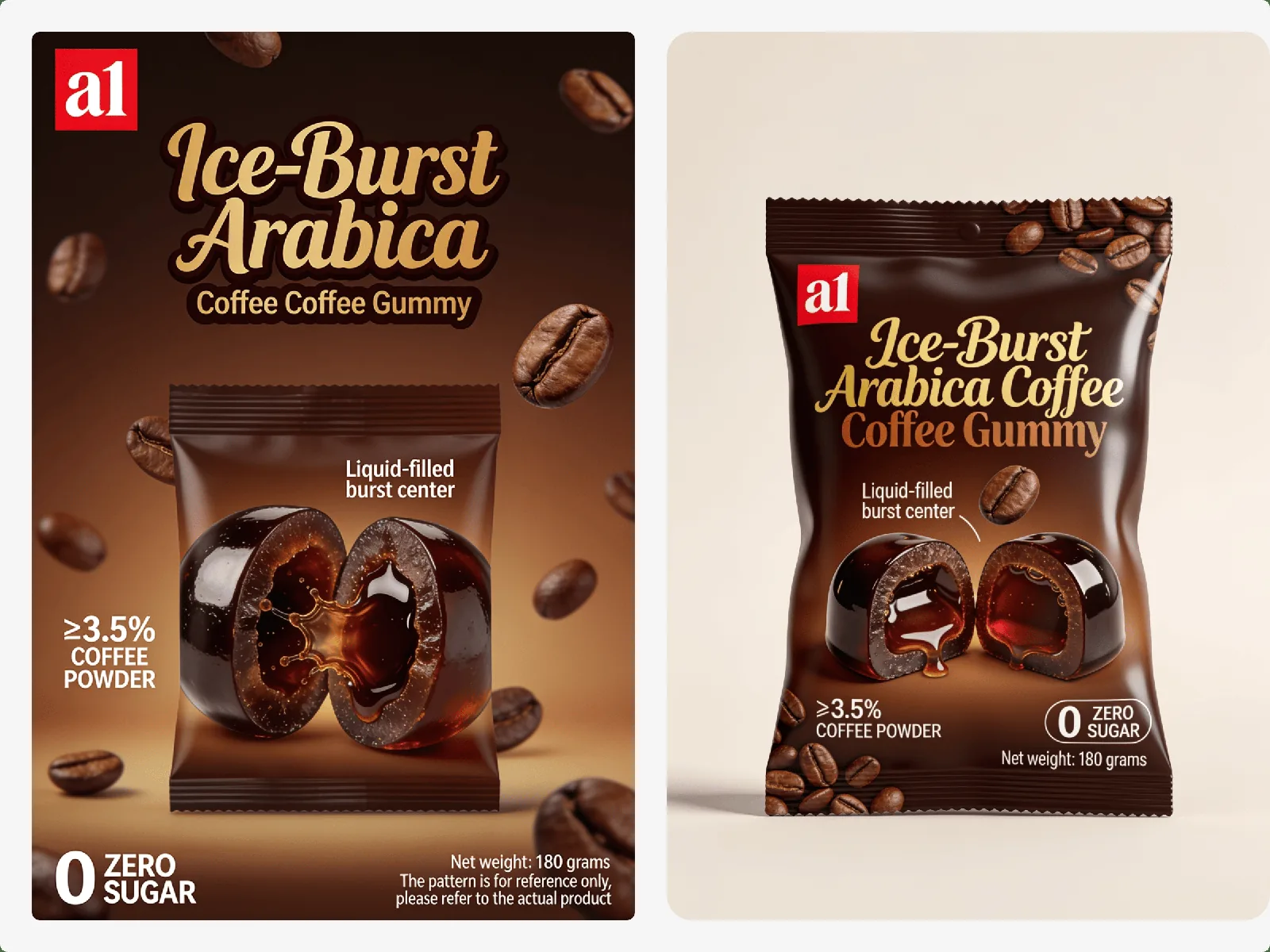
One practical rule beats the list: lock the US label before the packaging is printed, not after. Front-of-pack claim wording — especially on functional-style lines such as vitamin C or collagen — must always be finalised against the regulations of the target market, so keep the artwork flexible until the regulatory review is complete. Two of our lines show how much can be designed in from the start: the https://en.a1food.cn/product_details.html?id=17 and the https://en.a1food.cn/product_details.html?id=24.
The document pack to demand before the container sails
Every confectionery order ships with the standard export set: commercial invoice, packing list, bill of lading, certificate of origin, health certificate, halal certificate, batch COA and full specification sheets. That is what your broker needs to complete entry, and the raw material of your FSVP file. Add two items that cost nothing at the factory and a fortune at the port: a completed allergen matrix, and artwork files matching what is actually printed.
For the ingredient questions that shape the label — pectin versus gelatin, and what a gelatin-free recipe means for vegetarian and allergen-sensitive listings — our https://en.a1food.cn/pectin-vs-gelatin-gummies-buyers-guide.html covers both systems from a buyer's perspective.
Frequently asked, and answered
Does "FDA-registered" mean the candy is approved by FDA? No. Registration identifies the facility that made, packed or held the food; it is not a product endorsement, and FDA does not approve conventional foods. Registration is one leg of US compliance — alongside prior notice, FSVP and labelling, on the importer's side.
Who files prior notice — us or you? Typically your customs broker, acting for you as importer. What a supplier owes the filing is accurate manufacturing data — facility registration details, product description, country of production — that matches the rest of the documents.
Which HTS line does candy fall under? Sugar confectionery classifies in Chapter 17 of the HTS, but the exact code — and with it the duty rate — depends on the product's composition. Confirm the classification with your broker before comparing quotes.
Next step
Tell us the destination port, target volume and product mix, and we will put the full document set in front of you before the first container is booked — the specification sheets, certificates and batch COAs your compliance file needs. Our MOQ is from 500 cartons per SKU, with 200-carton trial orders for new markets, so a first US order can be a test, not a leap. Contact our team and we will walk your broker through the manufacturing side of the filing.
Contact: Katherine and Justin, a1 (Xiamen) Food Technology Co., Ltd. — Justin@a1food.cn | WhatsApp +86-189-6548-2111 | en.a1food.cn