
Sour Gummy Worms: Flavors, Shapes & Wholesale Guide
Sour gummy worms are one of the few confectionery formats that sell on sight and reorder on habit. For a distributor, a convenience buyer, or a private-label manager, they sit at the intersection of high impulse, strong youth appeal, and a category that punishes a supplier who cannot hold the sour hit from the factory dock to a humid retail shelf two months later. This guide covers what the format actually is, which flavors and shapes move at retail, how the sour coating is engineered to survive long ocean routes, and what to verify before you place a first order.
What Exactly Is a Sour Gummy Worm?
A sour gummy worm is a gummy candy body — built on gelatin, or on agar and pectin for a pork-free, HALAL-compatible recipe — finished with a dry acid-sugar sanding coat. The "worm" is a shape, not a recipe: the same souring technique works on ropes, belts, sharks, and custom molds. The sour sensation comes from the sanding, not the body, which is why coating quality decides whether a product tastes bright on day one and flat on day sixty.
Why Sour Gummy Worms Stay on the Reorder List
Three things keep this SKU in the planogram. First, it is an impulse buy placed at eye level in the candy aisle and near checkouts. Second, it over-indexes with teens and young adults, a demographic that drives velocity and second orders. Third, the format carries a healthy margin for the distributor while staying a low-risk, non-chocolate item that is not exposed to cocoa-price swings. Buyers who treat it as a standing line — not a one-off promotion — tend to see steadier case movement than those who treat it seasonally.
A Flavor Map Buyers Actually Stock
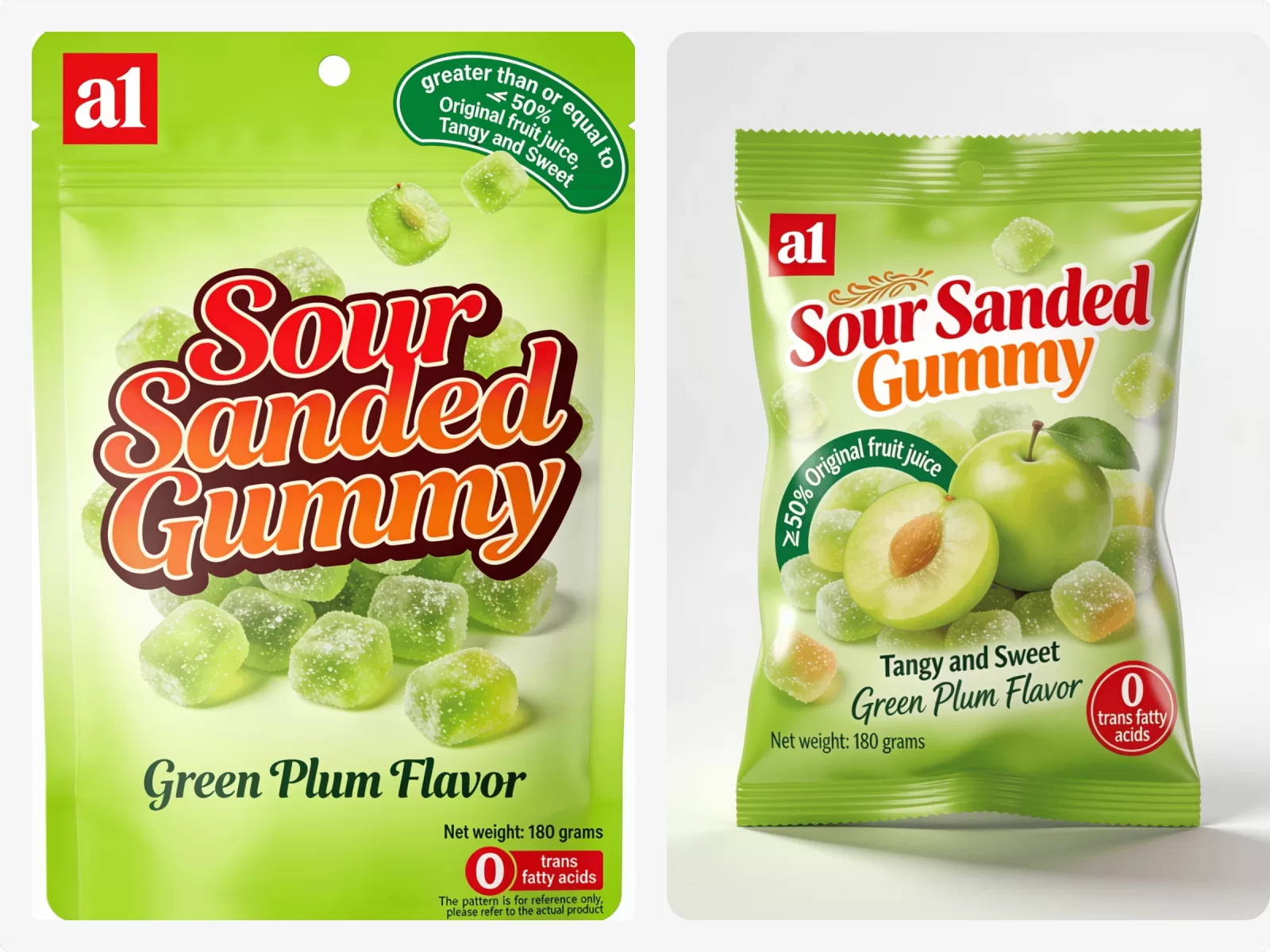
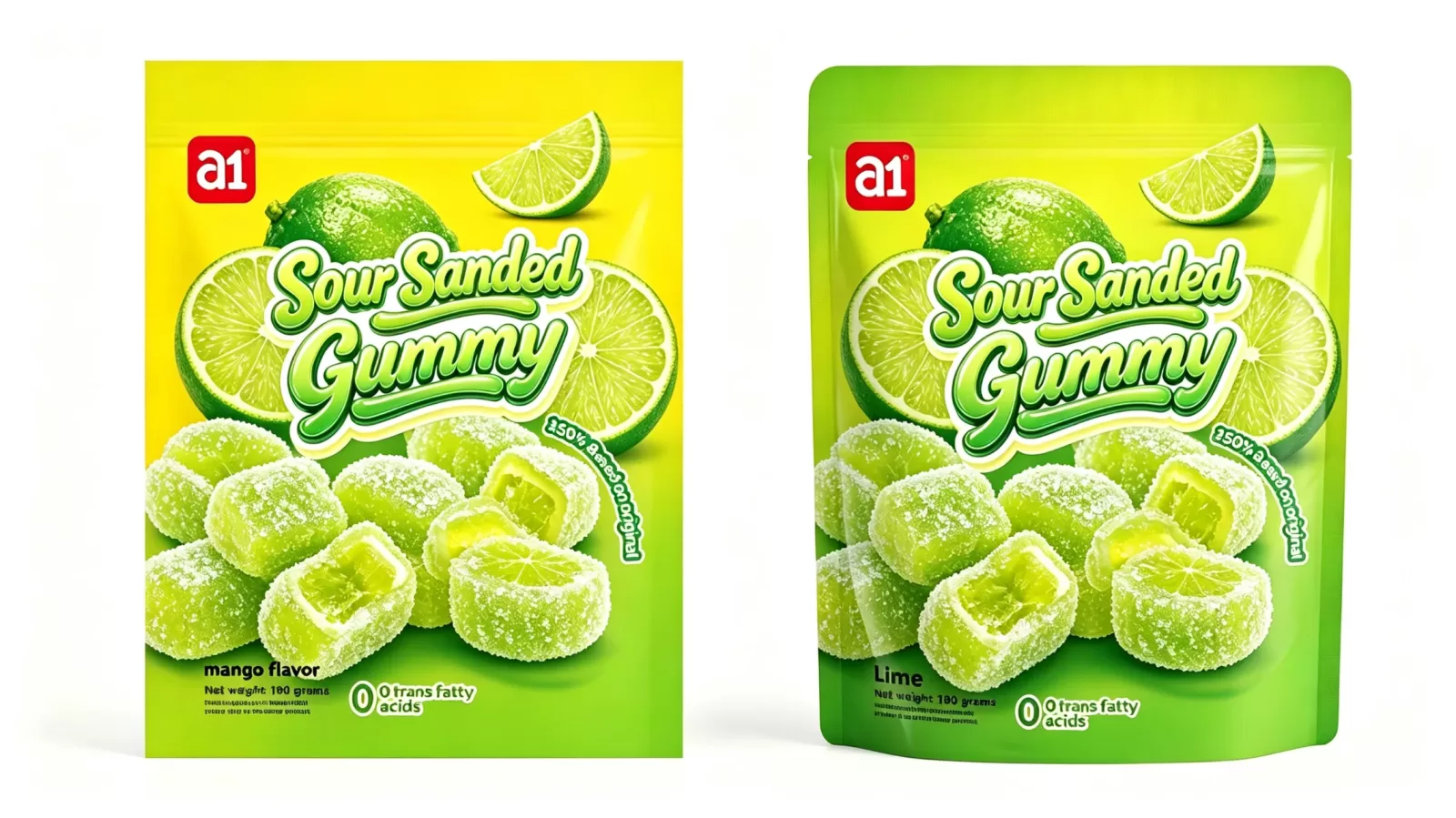
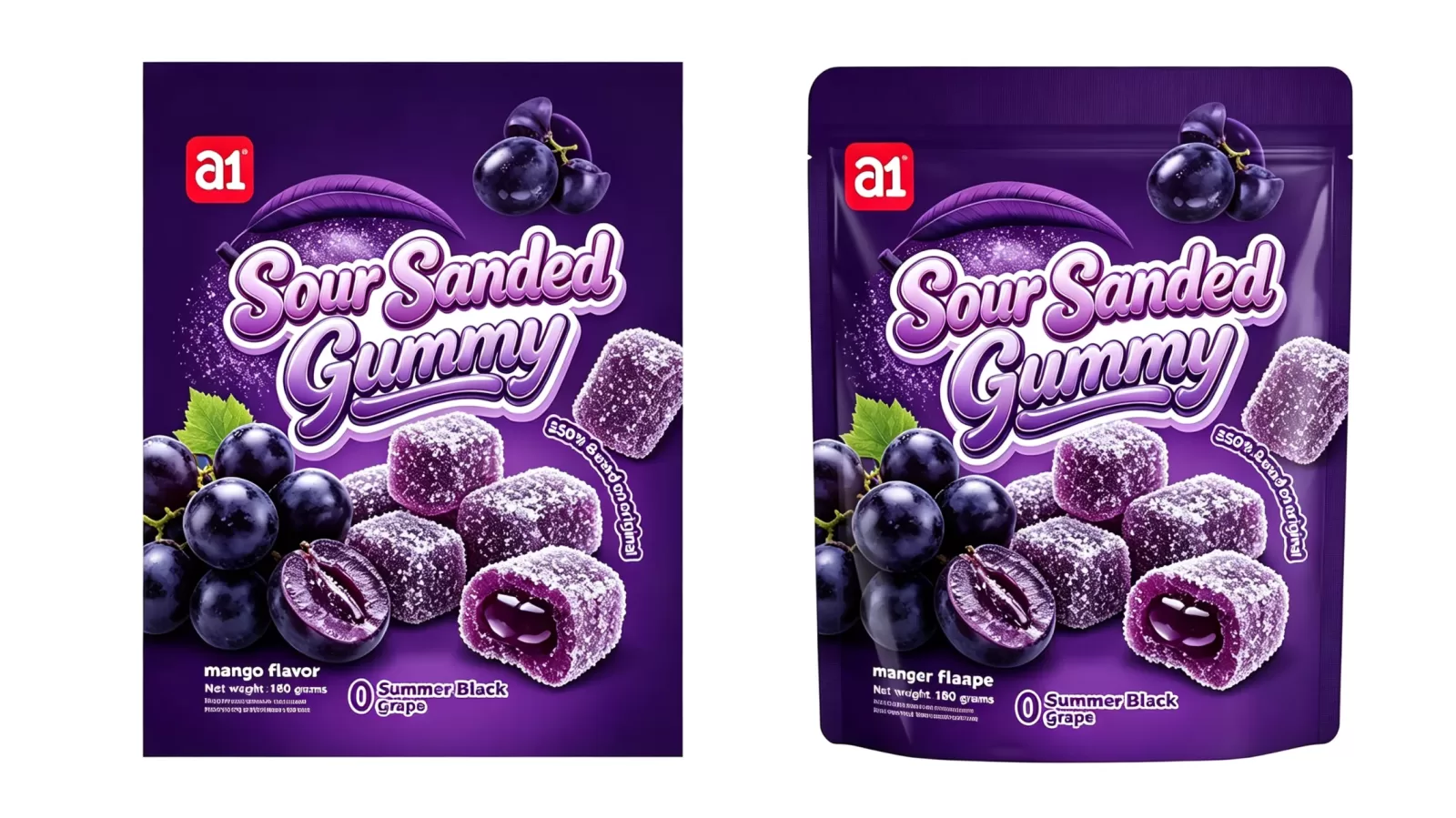
The sour gummy worms category lives or dies on flavor credibility. Our Sour Sanded line runs on natural colors with a real-fruit-jam center of at least 2.0%, in three flavors that test well across markets: Green Plum, Lime, and Summer Black Grape. Green Plum reads as a clean, tart everyday flavor; Lime is the brightest and most recognizable; Summer Black Grape leans premium and pairs well with cola and bulk displays. See our Sour Sanded Green Plum gummy and our Sour Sanded Lime gummy for the spec sheets.
Shapes Beyond the Worm
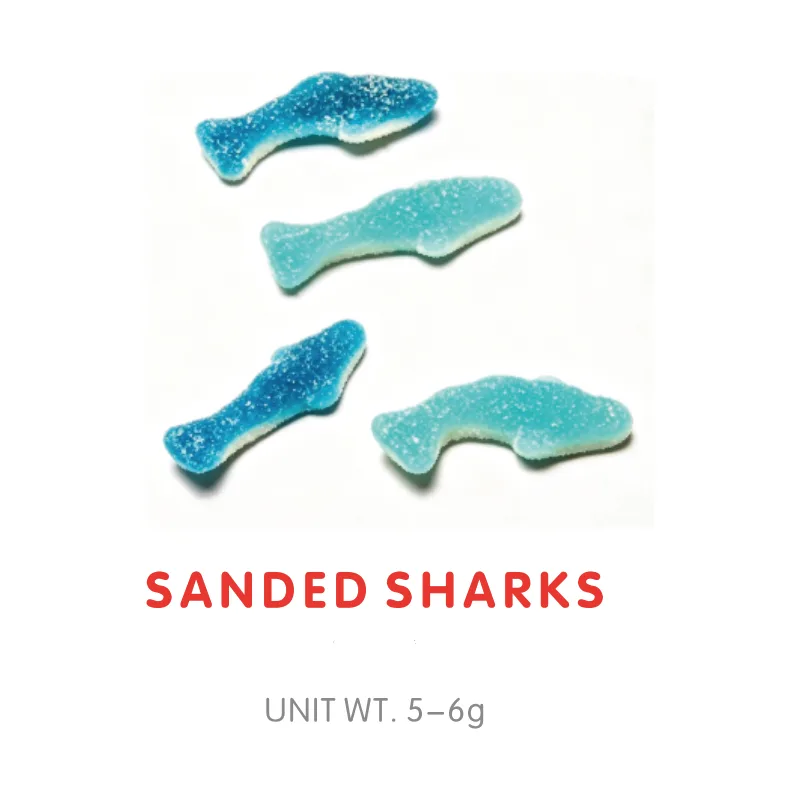
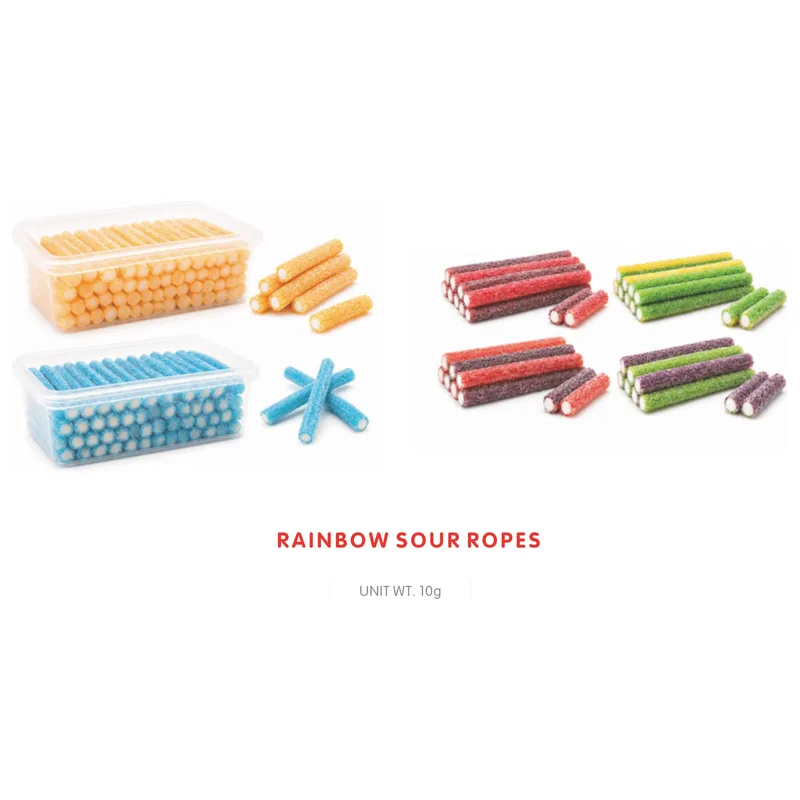
"Worms" are only the entry point. The same sour sanding works on worm-like sour ropes, on belts, and on novelty animal shapes that earn a second glance on a crowded shelf. We run Sour Sanded Sharks as a proof point of how far the format extends without re-engineering the line. For buyers building a themed range — ocean, animals, or seasonal — custom molds are a conversation, not a barrier, provided the order volume supports the tooling.
The Souring Process — and the Two Ways It Fails
This is where most sour programs break, and it is the part we are most qualified to talk about because we have shipped sour-format gummies to more than 40 export markets. Two things go wrong on long routes. First, the sanding sugar pulls humidity from tropical warehouses and cakes into clumps — the product arrives looking dusty and uneven. Second, the acid slowly migrates into the gummy body, flattening the sour hit by the time it reaches the shelf. We control both by applying the acid-sugar coat as a dry finish after the gummy is fully set, holding the body at natural colors with the real-fruit-jam center, and specifying the coating for the destination climate rather than the departure dock. Every batch ships with a Certificate of Analysis from our CNAS-accredited in-house laboratory, so the sour spec you approved is the sour spec that lands.
Shelf Life on Long Ocean Routes
Our confectionery line carries a 12-month ambient shelf life, which is what makes it viable for 30–45 day ocean freight into humid destinations. The two variables that actually threaten that clock are moisture and heat — which is why the caking control above matters as much as the recipe. For buyers in the Gulf, Southeast Asia, and LatAm, we recommend a sealed stand-up pouch and a carton that resists compression during container loading. You can read more in our piece on why acid-coated sour formats win shelf space in LatAm and the CIS.
Packaging Formats That Fit Wholesale
For wholesale and export, the stand-up pouch in the 40–200 g range is the workhorse: it protects the sanding, stands on the shelf, and ships efficiently. Jars suit scoop-and-serve and gifting; bulk packs suit repackers and private-label fillers. The right format is a function of channel and climate, not preference — our gummy packaging formats comparison breaks down pouch vs jar vs stick pack by shelf presence, container volume, and compliance surface.
Certifications Buyers Ask For
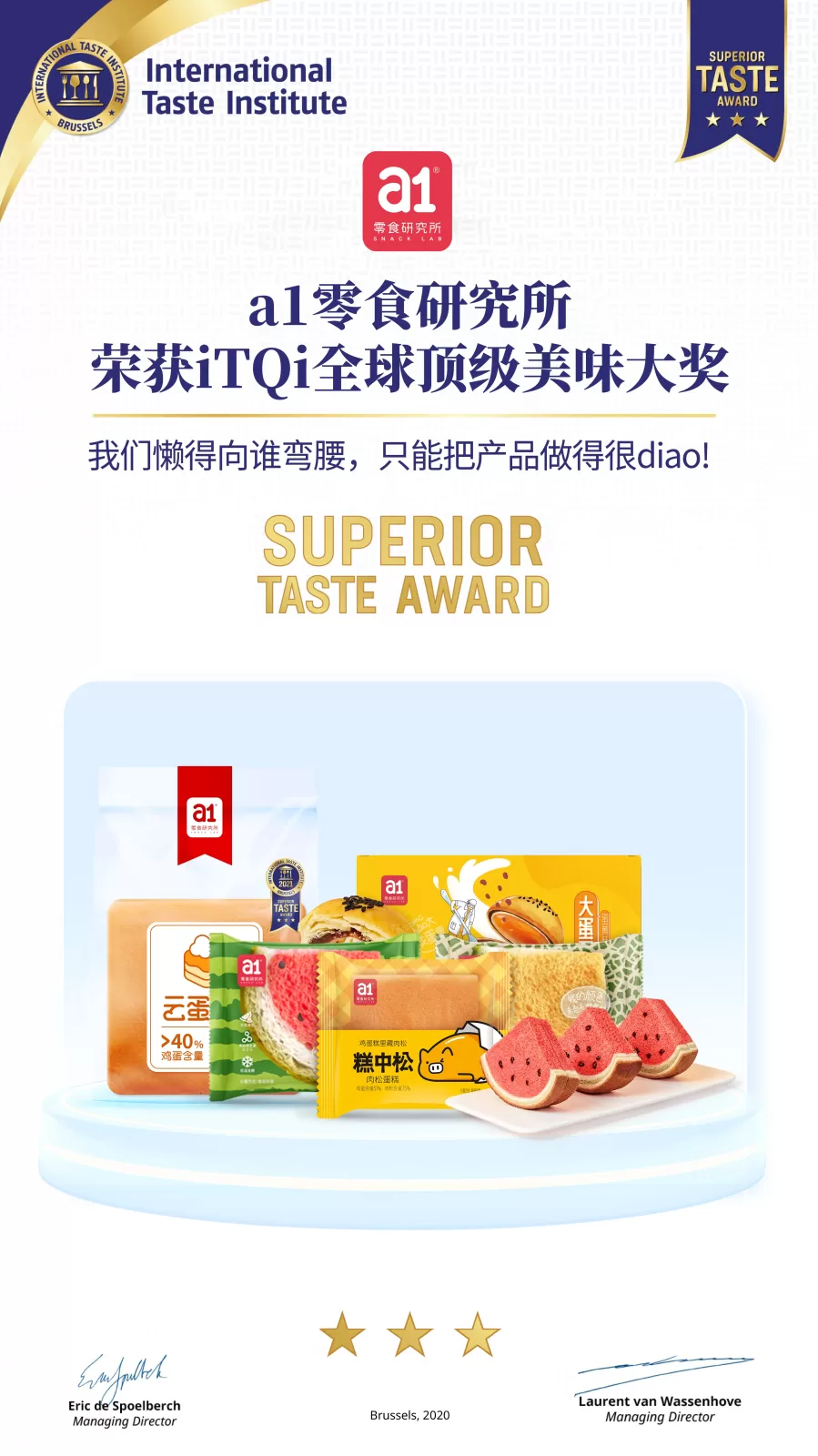
A sour gummy worms program is only as bankable as its paperwork. Our facilities hold FSSC 22000, BRC, HACCP, and HALAL, with BSCI for social compliance, and our food facilities are FDA-registered. (Registration is a facility status with the U.S. FDA — it is not an endorsement of any individual product.) We have also been awarded the International Taste Institute 3-Star Delicacy Award for consecutive years, a third-party mark of sensory quality that buyers can verify.
Behind that is real infrastructure: two production bases, eight production lines, and 200+ patents, plus the CNAS-accredited lab that releases every batch. We have supplied retail systems across 40+ markets in Europe, North America, LatAm, the Gulf, and Asia-Pacific.
MOQ, Mixed Containers and Trial Orders
Our standard minimum is MOQ from 500 cartons per SKU, with 200-carton trial orders available for new markets. Because a single SKU rarely fills a container economically, we support mixed loading so a first order can combine several sour flavors — and complementary non-sour lines — in one 20GP or 40HQ. That is usually the difference between a buyer testing the category and a buyer walking away.
A First-Order Checklist for Sour Gummy Worms
Before you sign, confirm eight things: (1) the flavor matrix and which variants are in the first run; (2) the sour level, specified to the target market; (3) the shape and whether custom molds are needed; (4) the certification set your channel requires; (5) proof of the 12-month ambient shelf life; (6) the packaging format for your climate; (7) the MOQ and mixed-load option; and (8) batch-level COA and full traceability. Get those in writing and the reorder becomes a routine event rather than a gamble. See our bulk gummy candy program for the spec table and a quote form.
Frequently Asked Questions
Are sour gummy worms gelatin or pectin? Both are possible. We run agar-and-pectin bodies for pork-free and HALAL programs, and gelatin bodies where the market prefers them.
How sour can you make them? Sourness is a spec, not a fixed number. We tune the acid blend to the destination market and its labeling rules, using natural colors and flavors.
Do they survive tropical shipping? Yes, with the caking and acid-migration controls above and a 12-month ambient shelf life — provided the pouch and carton are specified for the route.
Ready to spec your first run? Contact our team — Katherine and the export desk will return a flavor matrix, certification set, and a mixed-load quote for your market.