
Bulk gummies carton spec questions decide whether a container lands as planned or turns into a claim. A buyer sees "gummy candy" on two offer sheets and assumes the case counts are comparable. They rarely are. We manufacture gummies across 19 SKUs and ship to more than 40 markets, and this page is the spec literacy we wish every first-time bulk buyer had before signing: how to read a case count, why two identical-looking gummies pack differently, how to sanity-check a 40HQ number, and which figures a factory can actually stand behind.
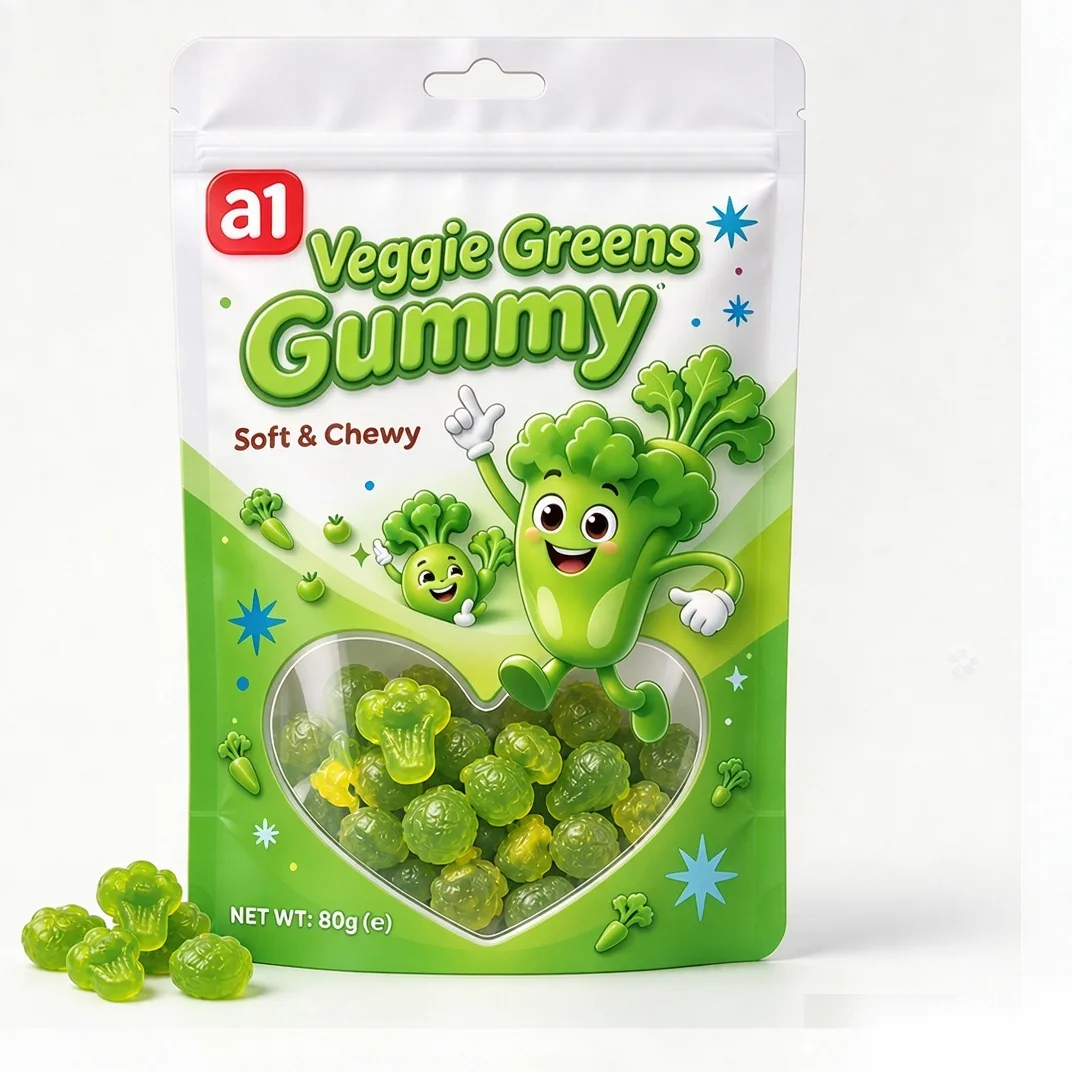
A carton spec is four numbers, not one
"Case count" on its own is ambiguous. Before you compare two offers, pin down four figures and the unit behind each.
| Field | Question to ask | Why it changes commercially |
|---|---|---|
| Pouch net weight | Grams per stand-up pouch? | Sets pieces and kilograms per carton. |
| Bags per carton | How many pouches in one master carton? | The actual "case count" most factories quote. |
| Pieces per bag | How many gummies per pouch, and at what unit weight? | Changes count without changing carton size. |
| Carton dimensions & gross weight | Carton meas in cm and gross weight in kg? | Drives pallet pattern, volumetric freight and weight limits. |
Our confectionery line runs stand-up pouches from 40 to 200 g, with weight set per buyer. Without the pouch weight, a case count is a number with no meaning.
Why identical-looking gummies pack at wildly different case counts
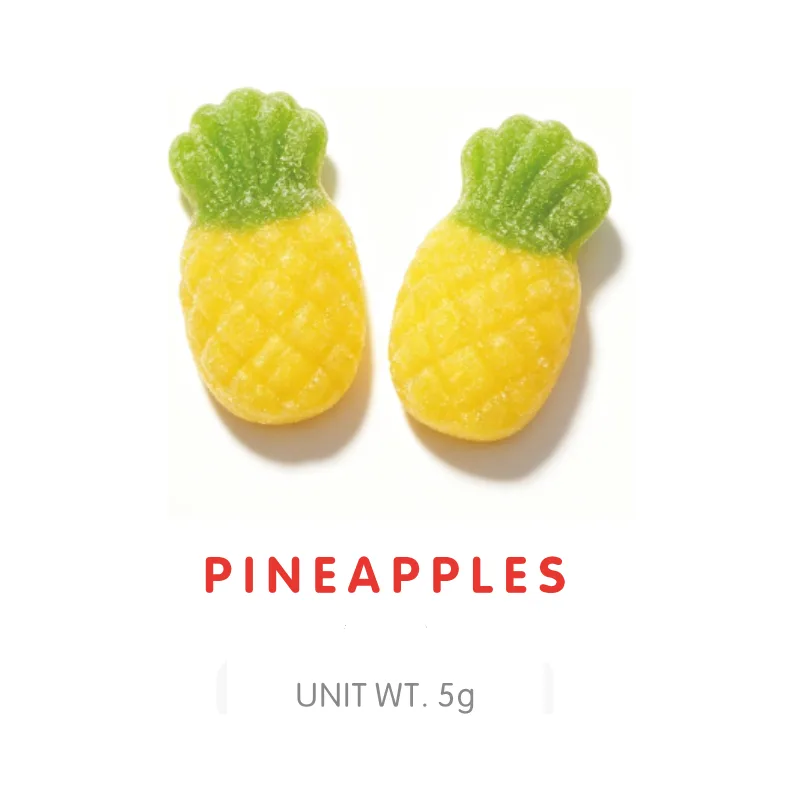
Public supplier listings show a wide spread in cartons per 40HQ for gummies that look alike on a screen — as of 2026, published figures range from roughly 1,200 to nearly 4,000 cartons per container. Those are other producers' published numbers, not a1 figures, and they are not comparable until the pouch weight and format match. A 5 g single piece, a 100 g heart-window pouch and a 200 g family pouch are three different logistics products even if the candy inside is the same recipe.
Format drives the count more than flavour does. A lighter piece means more pieces per kilogram but also more handling; a windowed stand-up pouch occupies more headspace than a flat bag. This is why a case count quoted for a neighbour's SKU can mislead you.
Here is the check we actually run. We ran a case-count review across our own formats, comparing how the same confectionery range changes when pouch weight and pack structure change. We found the number moves with pouch weight and carton geometry, not with the candy type on the artwork. We rejected catalogue case counts as a planning basis — including ours, where the SKU was not the one being ordered. We switched to quoting from the confirmed SKU spec: pouch weight, bags per carton, carton meas and gross weight, then the loading calculation. If a supplier cannot show those four fields for your SKU, the case count is not a specification.
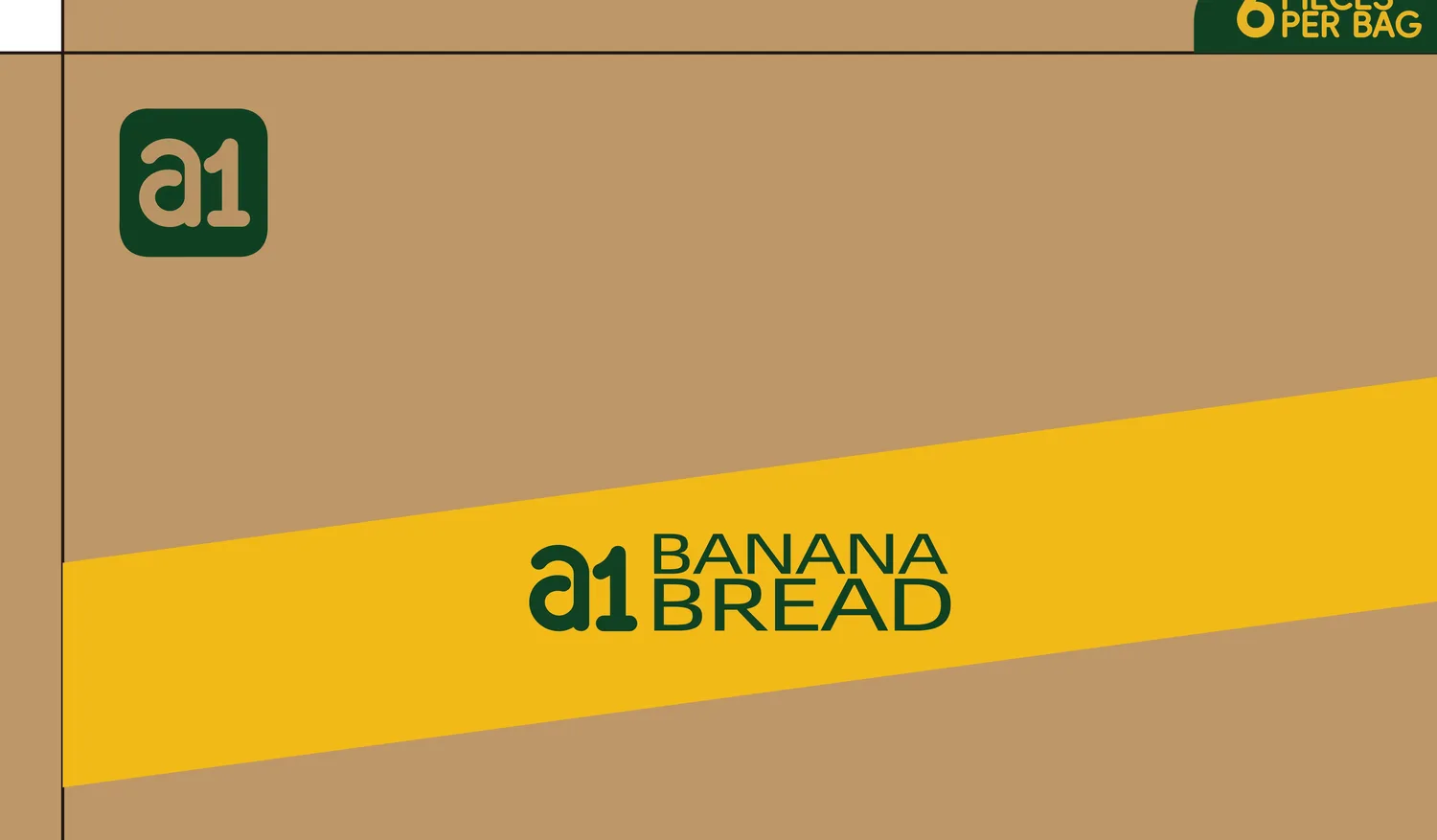
How to sanity-check a 40HQ loading number
You do not need a freight degree to test a loading claim. Work in two directions — by volume and by weight — and take the smaller result. Generic industry reference figures (not a1 commitments) put a 40-foot high-cube container at roughly 67–76 m³ usable volume and around 26 t maximum gross weight, though lanes and carriers vary.
| Route | What you calculate | What catches the error |
|---|---|---|
| By volume | Carton CBM × number of cartons vs usable container volume. | Over-stacked pallets, unusable headspace. |
| By weight | Carton gross weight × cartons vs container weight limit. | A "full" container that is actually overweight. |
| By pallet fit | Cartons per layer × layers × pallets that fit the floor. | Carton meas that leaves gaps on the pallet. |
When the three routes disagree, ask which one the supplier used. A single "cartons per 40HQ" line with no method behind it is a marketing figure. For bakery lines our product list does publish per-SKU loading counts (for example 188 g × 12 bags at 2,204 cartons per 40HQ, per the 2026 product list); for confectionery, the exact count is confirmed against the final spec for the SKU you order — we do not publish a generic gummy number that would be wrong for most buyers.
Palletised or loose load, and can you mix SKUs
Common export pallets are 1140×1140 mm (EUR/ISO) or 1200×1000 mm; the carton meas decides how many fit a layer and how high you can stack before the container's usable volume is wasted. Ask whether your cartons ship palletised or loose-loaded — it changes labour, damage risk and how a mixed container is built. Mixed-SKU containers are normal in this trade: our minimum is expressed per SKU, so a buyer can combine formats in one container provided each SKU meets its own minimum. Confirm the pallet configuration and the per-SKU split in writing, not in a verbal assurance.
What a factory can state — and what stays "confirm against the final spec"
A factory can state its pouch-weight range, its standard carton formats, its certifications and its quality process. It should not invent a carton count for an SKU before the pack is fixed. We hold FSSC 22000, BRC, HACCP, HALAL and BSCI, run a CNAS-accredited in-house laboratory, and ship every batch with a COA and full traceability. Those are verifiable. The final case count, carton meas and loading plan belong to the confirmed specification and final order sheet for your order. For the United States, a1 is an FDA-registered food facility — registration is not approval of any product.
For the deeper commercial background on how minimums and mixed containers are structured, see our gummy MOQ and mixed 20GP loading guide. If your question is about building a custom range rather than buying an existing SKU, the custom gummy manufacturing page covers tooling and development. The bulk gummy candy page lists the formats currently available for bulk orders.
The paperwork that rides with each carton
A carton is not just a box; it carries the traceability chain. Confirm that the batch code on the carton matches the COA, that the carton's declared net weight matches the pouches inside, and that the case marks survive the destination market's labelling rules. Ingredient order, allergen wording and any on-pack statement follow the regulations of the market where the goods are sold — a1 does not issue compliance opinions. Ask for a sample carton marking before production, not after.
Pre-signing carton-spec checklist
- Pouch net weight confirmed in grams, per SKU.
- Bags per carton and pieces per bag both stated.
- Carton meas (cm) and gross weight (kg) on the same sheet.
- Loading method stated: volume, weight or pallet-fit, with the number each returns.
- Pallet type and configuration — palletised or loose, layer count, mixed-SKU split.
- Case marks — batch code, net weight and destination labelling agreed.
- COA and traceability — every batch, from the in-house CNAS lab.
If one of these is missing, ask for it before you sign. A case count you cannot reproduce is a case count you cannot rely on.

MOQ and how to start
Start from the SKU you will actually order: fix the pouch weight, confirm the case count definition, then let the factory issue the carton spec and loading plan against the final order sheet. MOQ from 500 cartons per SKU, 200-carton trial orders for new markets. Reach us through the contact page with the SKU list and destination market.
Frequently Asked Questions
What is a case count for bulk gummies? It is the number of sale units in one master carton — normally the number of stand-up pouches per carton. Always confirm the pouch net weight and pieces per bag alongside it; case count alone is ambiguous.
Why do 40HQ carton numbers differ so much between suppliers? Because the underlying pouch weights, bag formats and carton dimensions differ. Published figures are not comparable until the SKU spec matches. Treat them as context, not as a benchmark for your order.
Can I mix several gummy SKUs in one container? Yes. The minimum applies per SKU, so a container can combine formats as long as each SKU meets its own minimum. Confirm the pallet configuration and per-SKU counts in writing before loading.
What does a1 guarantee about carton specs? We state our pouch-weight range, standard formats, certifications and quality process, and we issue the final carton spec and loading plan against the confirmed SKU and final order sheet. We do not publish a generic gummy loading number that would be wrong for most buyers.
What documentation comes with each batch? A COA from our CNAS-accredited in-house laboratory with full batch traceability. We hold FSSC 22000, BRC, HACCP, HALAL and BSCI. For the United States, a1 is an FDA-registered food facility — registration, not approval.
Send the SKU list, pouch weight and destination market. We will return the case-count breakdown — final on-pack declarations follow the regulations of each target market. Write to Katherine or Justin@a1food.cn, or WhatsApp +86-189-6548-2111.