
Search candied fruit bakery inclusions and you land on ingredient suppliers selling diced peel, glace cherries and mixed peel by the pail. But most buyers who type that phrase are buying finished bakery: a fruit cake for Christmas listings, a filled toast for convenience breakfasts, a cookie with fruit pieces that must stay bright after six months at sea. The inclusion is the part of the product most likely to decide whether your shelf life holds.
What Candied Fruit Inclusions Are — and Where They Go
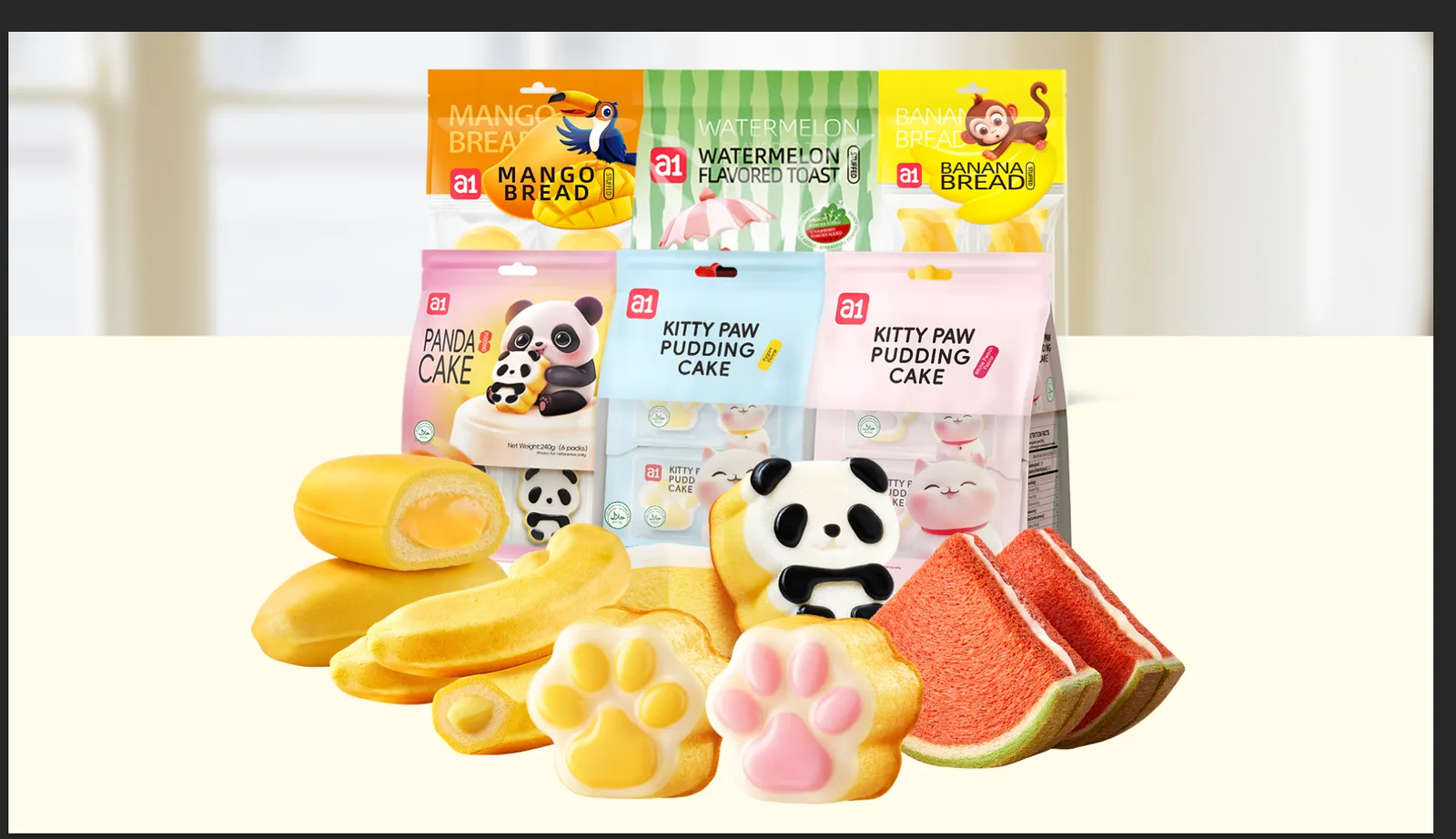
Candying is an old preservation technique: water inside the fruit is replaced, step by step, with sugar. The result keeps its shape, colour and flavour while gaining ambient stability — which is why candied fruit inclusions show up everywhere long-shelf-life bakery is sold: panettone and stollen at Christmas, fruit cake and brioche in retail, mixed peel in cookies, diced fruit in filled toast and cakes. Buyers choose whole fruit for surface decoration and diced formats for the dough, because dice distributes evenly and survives mixing.
The Spec Lines Buyers Actually Check
A professional supplier publishes a technical data sheet, and four lines on it matter most. Reputable houses publish a stable sugar content — Brix — in the 60–70 range for bakery use, because sugar keeps the piece from releasing moisture into the batter. Cut size typically runs from fine 3×3 mm dice up to 9–12 mm cubes where visible fruit is the selling point. Ask whether colouring is natural, and the packaging format — 1 to 10 kg tubs are standard. One line deserves its own question: residual sulphur dioxide, both a preservative and a labelling topic.
| Spec line | Why the buyer checks it | What good looks like |
|---|---|---|
| Brix (sugar content) | Sugar replaces water; low Brix = wet fruit = soggy dough | Stable 60–70 range for bakery use |
| Cut size (calibre) | Distribution in dough vs visible fruit on top | 3×3 mm dice to 9–12 mm cubes, declared per SKU |
| Colouring | Synthetic dyes face tightening scrutiny in several markets | Natural colouring declared on the data sheet |
| Residual SO₂ | Preservative function and mandatory declaration thresholds | Declared value, tested per batch |
| Water activity (Aw) | The number that predicts moisture migration in the finished bake | Declared and matched to the product matrix |
Water Activity: The Number That Decides Shelf Life
Water activity — Aw, the free water available for microbial growth and migration — is where fruit-inclusion bakery is won or lost. A juicy piece baked into a dry dough keeps releasing water: the crumb around the fruit turns gummy, the piece dries and firms, and mould risk climbs long before the printed date. Industry analyses of the glace-cherry trade describe the thresholds buyers demand: osmotic equilibrium around 66–72 Brix, water activity below 0.65, residual SO₂ under 10 mg/kg (as of 2026).
The same logic explains the shelf-life gap between ingredient and finished bake. Candied fruit itself keeps 12–24 months ambient in sealed pails; a finished fruit bake promises far less — our bakery range validates a 6-month ambient shelf life (9 months for cookies) per the 2026 product list, because once fruit meets flour, the limiting factor is the combination, not the component. Compare suppliers on finished-goods shelf life with stability evidence, not the ingredient's bucket life.
Bake Stability: What Fails in the Oven and on the Ocean
Four failure modes explain most fruit-inclusion complaints, and all show up after shipping:
- Colour bleed. Dyed or over-moist fruit releases pigment into the dough during baking and storage; a cherry that streaks pink reads as a quality defect even when the product is safe.
- Sinking. Dense, syrup-heavy pieces drop to the bottom of high-ratio batters; suspension is a formulation question.
- Weeping. Under-candied fruit weeps syrup into the crumb, creating wet zones and mould risk.
- Surface clumping. On sanded surfaces, humidity swings during ocean freight make exposed fruit pieces stick and fuse.
A bake-stable inclusion holds shape and colour through the oven and a 25–40 day ocean route at tropical deck temperatures. That claim should come with evidence, not adjectives.
Declaration and Labelling: What Each Market Expects
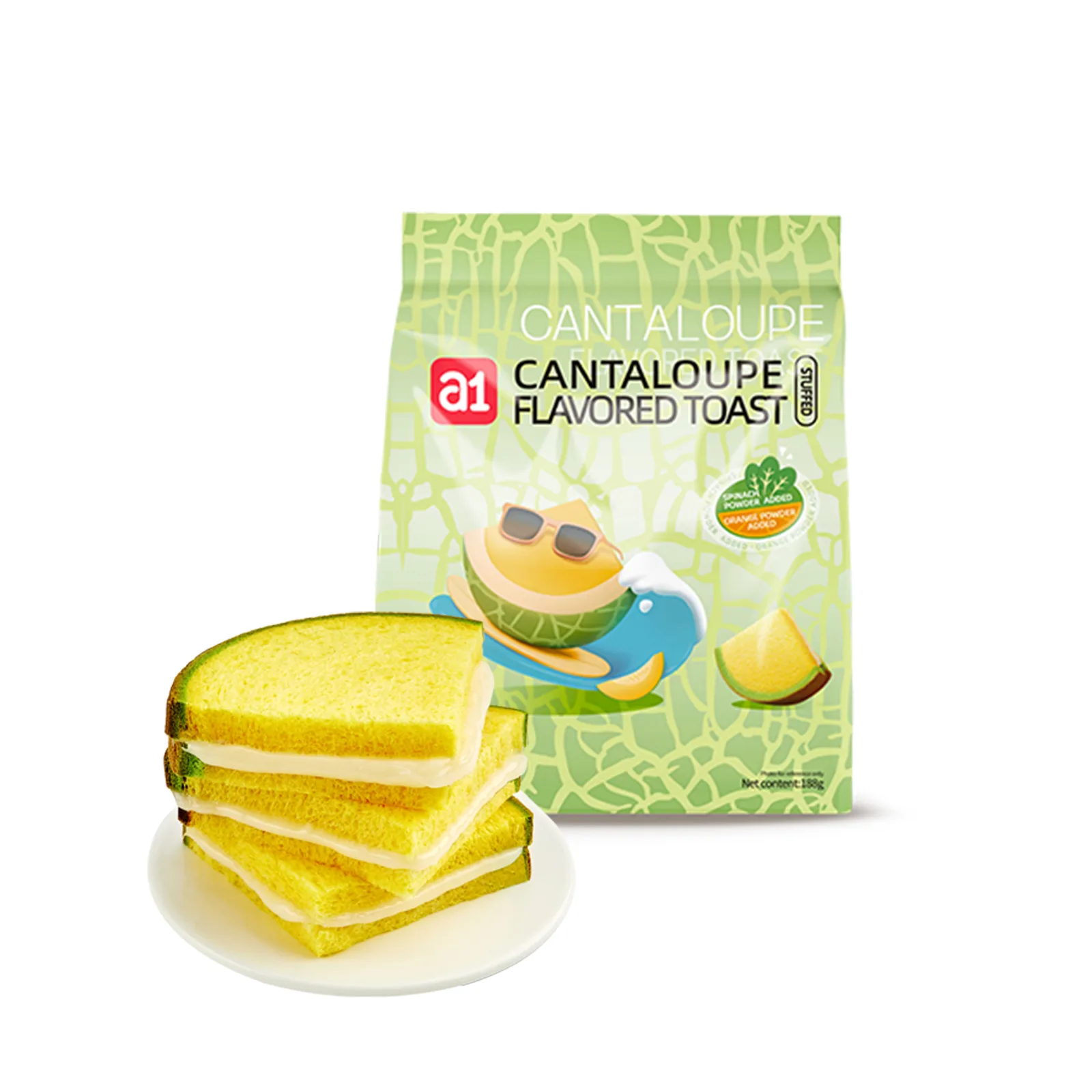
Labelling is where fruit inclusions quietly create compliance work. In the EU, sulphites above 10 mg/kg must be named as allergens under Regulation (EU) No 1169/2011, so an inclusion with undeclared sulphites becomes your labelling problem, not the ingredient house's. Colourants follow each market's rules — US accounts sourcing for 2026–2027 runs increasingly require formulations free of FD&C Red No. 3, while other markets accept synthetic colours with declaration. The drafting rule: the inclusion supplier declares the piece; your finished-goods supplier declares the pack; final on-pack claims follow each target market's regulations. For US programs, produce in an FDA-registered food facility.
How to Verify Before You Sign
- Get the technical data sheet for the inclusion — Brix, calibre, colouring, SO₂, Aw — and file it with your spec.
- Ask for a COA per batch from an accredited laboratory, not one certificate for the year.
- Ask what the shelf-life claim is built on: real-time and accelerated stability evidence, plus an arrival clause.
- Check the certification pack: FSSC 22000, BRC, HACCP and HALAL cover the audits retail and convenience buyers ask for.
- Confirm storage discipline on both sides — tubs at 15–18 °C away from light; finished goods need the same discipline.
- Agree the claims boundary in writing: final on-pack claims follow the regulations of each target market.
How a1 Builds Ambient-Stable Fruit Bakery
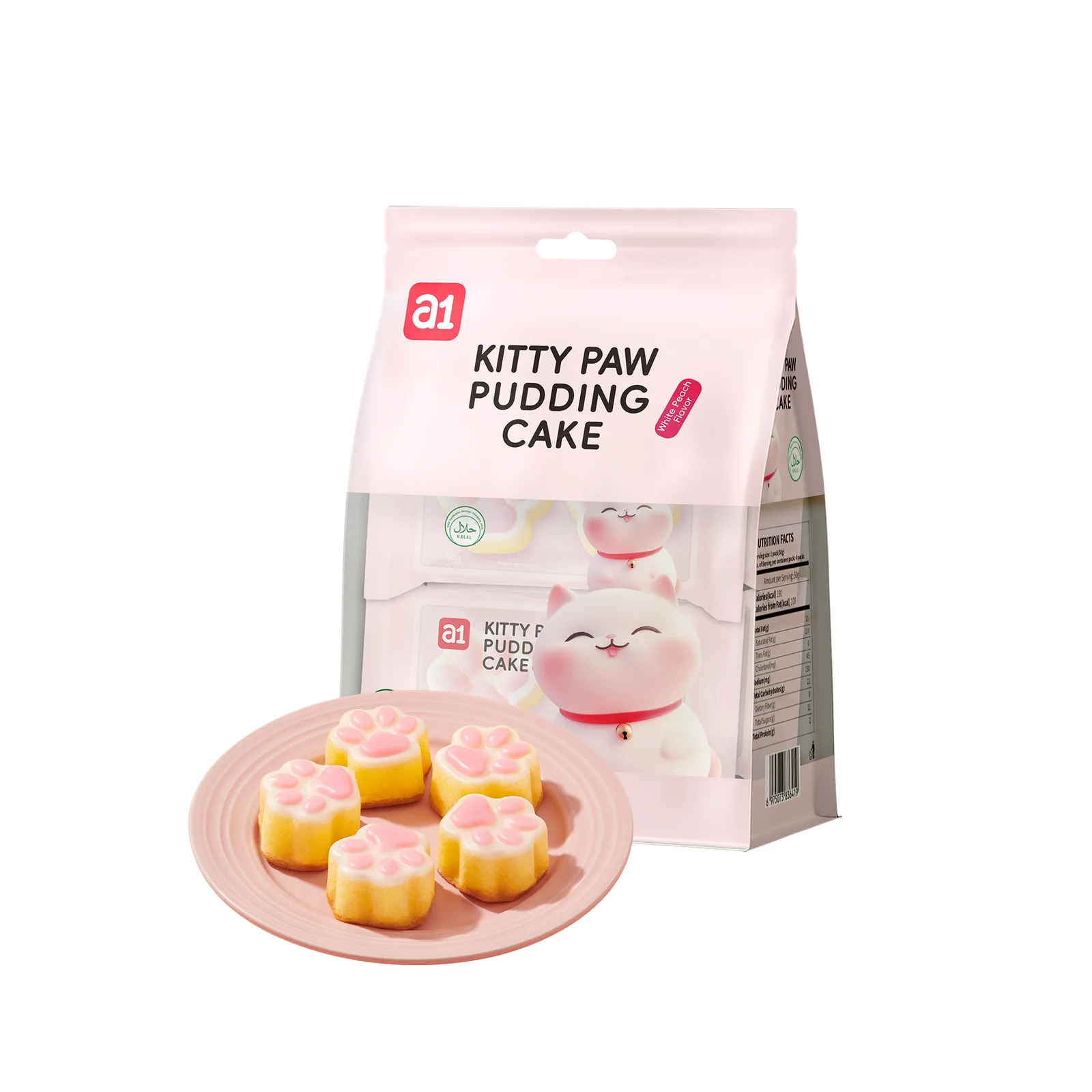
We ship fruit-forward bakery to more than 40 markets; the fruit piece is the component we watch most closely. We tested moist fruit pieces against our filled-toast line and found the failure point was never flavour — it was moisture migration shortening the shelf promise. We switched our filled formats to a controlled fruit filling instead of loose wet pieces, validated the 6-month ambient claim with stability testing, and we back every batch with a COA from our CNAS-accredited in-house laboratory. A fruit inclusion is only as good as the water activity it brings into your dough, and the paperwork that proves it.
Frequently Asked Questions
What Brix should candied fruit inclusions have for bakery? Reputable suppliers publish a stable 60–70 Brix range for bake applications; industrial specifications for osmotic fruit commonly sit at 66–72. Below that band, expect weeping and soggy crumb.
Why does water activity matter more than moisture content? Aw measures the water that can actually migrate and support microbial growth. Identical moisture content with different Aw behaves completely differently in a dough.
Do sulphites in candied fruit need to be declared? In the EU, sulphites above 10 mg/kg must appear as allergens in the ingredient list. Ask for the declared SO₂ value on every data sheet and COA.
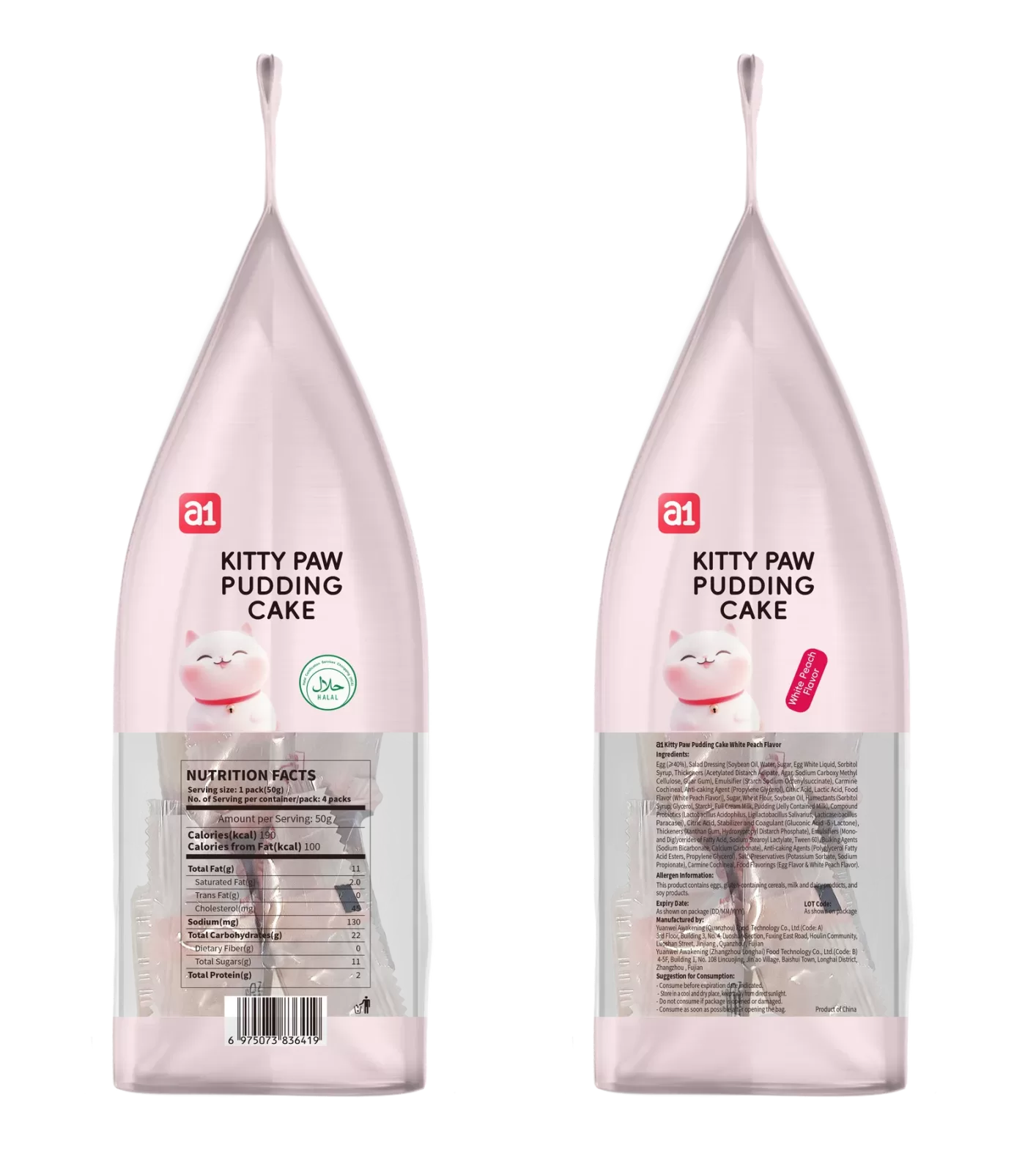
What shelf life should a finished fruit bakery product promise? Judge it on the finished product with stability evidence, not the ingredient's bucket life. Our bakery range validates 6 months ambient (9 months for cookies).
Where to Start
If you are building fruit-bakery listings, start from products that already solve the Aw problem. Our mango bread and stuffed watermelon toast are built for ambient export routes with a validated 6-month shelf life — read how shelf life wins supermarket bids, then how chocolate- and jam-filled bakes survive export. MOQ from 500 cartons per SKU, 200-carton trial orders for new markets — for samples and specifications, contact Katherine at a1.